
Last-Minute Trade Show Freight in Toronto: A Survival Guide
Getting late freight into Toronto trade shows: move-in windows, marshalling yards, dock procedures at the MTCC, Enercare Centre and the International Centre.
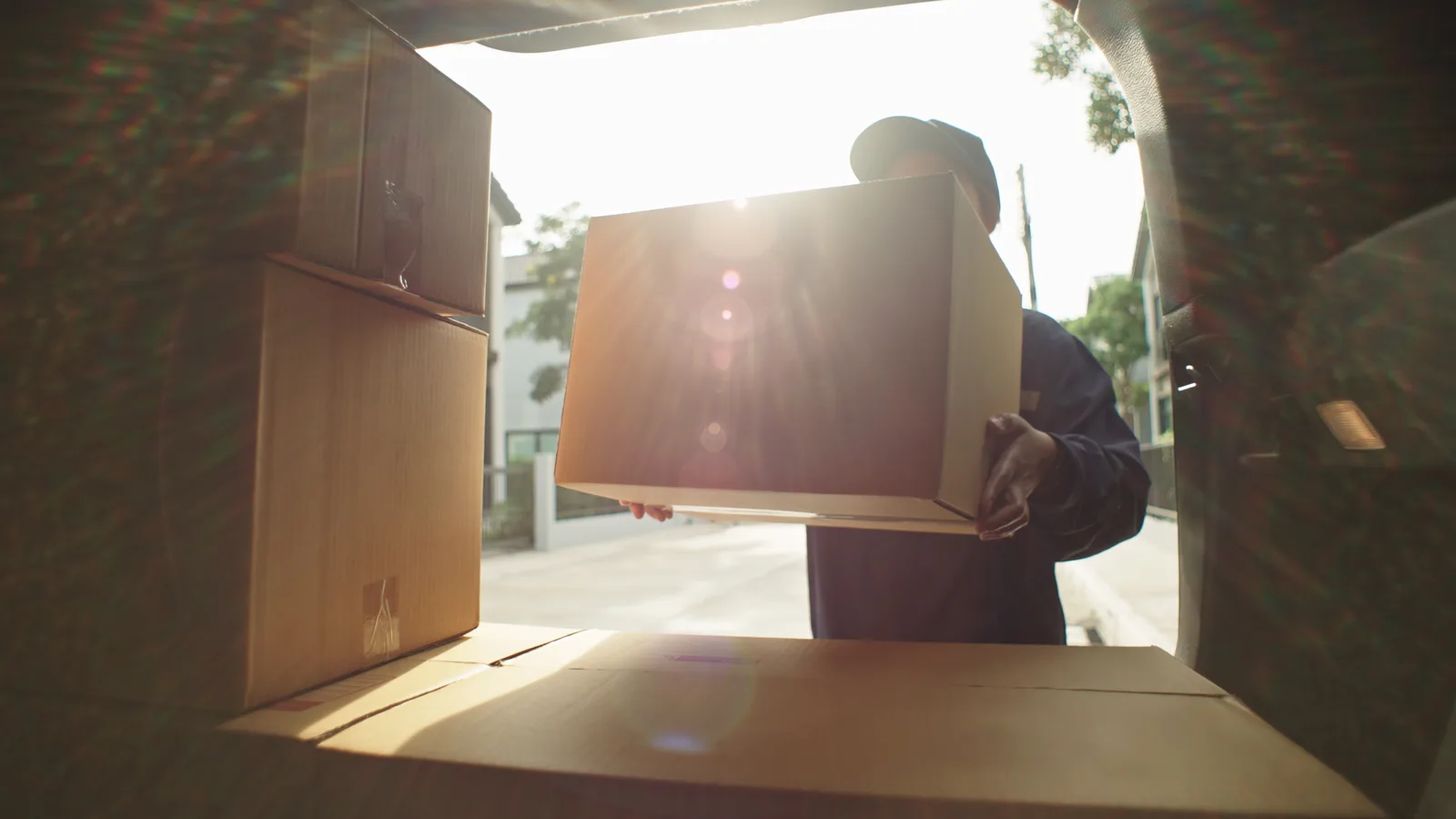
Trade show freight is the only shipping in B2B where the destination stops existing. Miss a customer’s receiving window and you deliver tomorrow; miss a show’s move-in and the booth stands empty in front of every prospect the company paid to meet. So when show freight goes last-minute — the crate that missed the advance deadline, the demo unit that cleared repair the day before opening, the banners reprinted overnight — the job isn’t just fast driving. It’s fast driving into one of the most procedural delivery environments in the industry. This is the survival guide.
Two roads into a show, and the one that’s left
Exhibition freight normally reaches a show one of two ways. The advance warehouse route sends freight to the show contractor’s warehouse days or weeks ahead; the contractor delivers it to the booth before move-in. It’s the calm, recommended path, and if you’re reading a survival guide, that ship has sailed.
What’s left is direct-to-show: freight arriving at the venue dock during the move-in window, checked in under the show’s procedures, and moved from dock to booth. Late freight lives here, and direct-to-show has three properties that shape everything else in this guide — the window is fixed, the dock is managed, and the paperwork is not optional.
The move-in window is the real deadline
Every show publishes a move-in schedule in its exhibitor kit: which days and hours the docks accept freight, often broken down by hall or booth block. That window — not the show’s opening day — is the deadline a last-minute run is racing. Three things to check in the kit, or with show management, before booking anything:
- The actual dock hours for your hall and booth, including any targeted time slots.
- What the show requires on arrival — many shows require freight to check in under the exhibiting company’s name and booth number, with paperwork to match.
- Whether late arrangements exist. If the window is already tight, ask show management directly what happens to freight that arrives at the margin. Asking early opens options; arriving unannounced closes them.
Then build the run backward from the window with honest math: venue distance, potential marshalling time, and slack. This is a case where paying for priority is straightforward — an exclusive direct vehicle, dispatched now, is the tool built for a fixed window, and the mechanics of that kind of dispatch are covered in our guide to rush courier in the GTA.
Marshalling: where trucks actually wait
At a small show, a truck drives to the dock. At a large one, it drives to a marshalling yard — a holding area, sometimes offsite — where it checks in, gets a sequence number, and waits to be called to a dock. Marshalling exists because a major show generates more trucks than docks, and it has two consequences for a last-minute shipment.
First, dock time is assigned, not taken — arriving at the venue is not the same as unloading at it, and the run needs buffer for the yard. Second, the check-in details are the freight’s identity: show name, exhibiting company, hall and booth number are what the marshal writes down and what determines where the freight goes. A driver arriving with an address and nothing else is a truck the yard doesn’t know what to do with. Give the carrier the full show identity at booking and the driver clears check-in like they’ve done it before.
Toronto’s venues, briefly
Late freight planning starts with knowing which building you’re actually racing toward — Toronto-area shows spread across four main venues:
- Metro Toronto Convention Centre (MTCC) — downtown on Front Street, split into North and South buildings with separate dock access; downtown traffic and tight truck routes are part of the timing math.
- Enercare Centre — at Exhibition Place, the city’s largest single exhibition building, with extensive dock infrastructure and marshalling procedures for major shows.
- Toronto Congress Centre — in Etobicoke near Pearson, a frequent home for trade and consumer shows with dock-level receiving.
- The International Centre — in Mississauga on Airport Road, also by Pearson, with multiple halls and their own dock entrances.
Confirm the hall and dock entrance for your specific show rather than the venue’s general address; at a multi-hall venue, the wrong entrance can cost a lap of a very large building. All four sit comfortably inside a direct GTA run for priority rush freight.
What the driver needs from you
A show delivery succeeds on details no carrier can guess. The booking checklist for direct-to-show freight:
- Show identity — show name, venue, hall, booth number, and the exhibiting company name as registered.
- The window — the move-in hours for your booth, and any assigned target time.
- Paperwork travelling with the freight — whatever the exhibitor kit requires, plus a packing list.
- An on-site cell number — the person at the booth who answers when the driver reaches the yard or dock. Show floors are loud; this person should be watching their phone.
- The freight itself, described honestly — dimensions, weight, crated or palletized. Skidded exhibit freight follows all the usual rules of shipping a skid across the GTA, and if any end of the journey lacks a dock — a storefront pickup, say — the truck needs a tailgate booked from the start.
Get a signed proof of delivery recording where the freight was left and who took custody — at a venue where your shipment passes from carrier to show contractor to booth, the POD marks exactly where your carrier’s leg ended, which matters if anything goes missing between dock and booth.
Move-out: the sequel nobody plans for
Everything above runs in reverse at show close, compressed into less time and more chaos: every exhibitor wants out at once, marshalling runs at its heaviest, and freight left on the floor past the deadline gets forced onto the show’s carrier at the show’s terms. If your last-minute freight needs to come back, book the return before the show opens, with the same show-identity details — and the same list of rush-freight mistakes to avoid, because move-out forgives even fewer of them.
When the booth can’t wait
Sonic Transport runs last-minute show freight across the GTA — direct priority runs to the MTCC, Enercare Centre, Toronto Congress Centre and the International Centre, with a dispatcher who’ll ask for the booth number, the window and the on-site cell before the truck rolls. If the show opens soon and the freight isn’t there yet, tell us what’s shipping and we’ll get a vehicle moving toward the dock.
Frequently asked questions
Can freight be delivered directly to a trade show booth in Toronto?
Freight delivers to the venue's dock or marshalling area during the show's move-in window; from the dock, the show's material-handling contractor typically moves it to the booth. The driver needs the show name, hall, booth number and the exhibitor's on-site cell so the shipment lands under the right name.
What is a marshalling yard at a trade show?
A holding area — sometimes at the venue, sometimes offsite — where trucks check in and wait to be called to a dock in sequence. Large Toronto shows use marshalling to manage dock congestion during move-in and move-out, which means dock time is assigned, not first-come-first-served, and waiting time is part of the run.
What happens if freight misses the show's move-in window?
It depends on the show. Some allow late deliveries with restrictions or through the show's own handling channels; others cannot accept freight once aisles are carpeted and the floor closes. Call show management the moment a miss looks possible — options exist before the window closes that don't exist after.