
How to Ship a Skid Across the GTA: A Practical Guide
What actually happens when you book a skid for delivery in the GTA — preparing the pallet, choosing same-day or next-day service, docks, tailgates and POD.
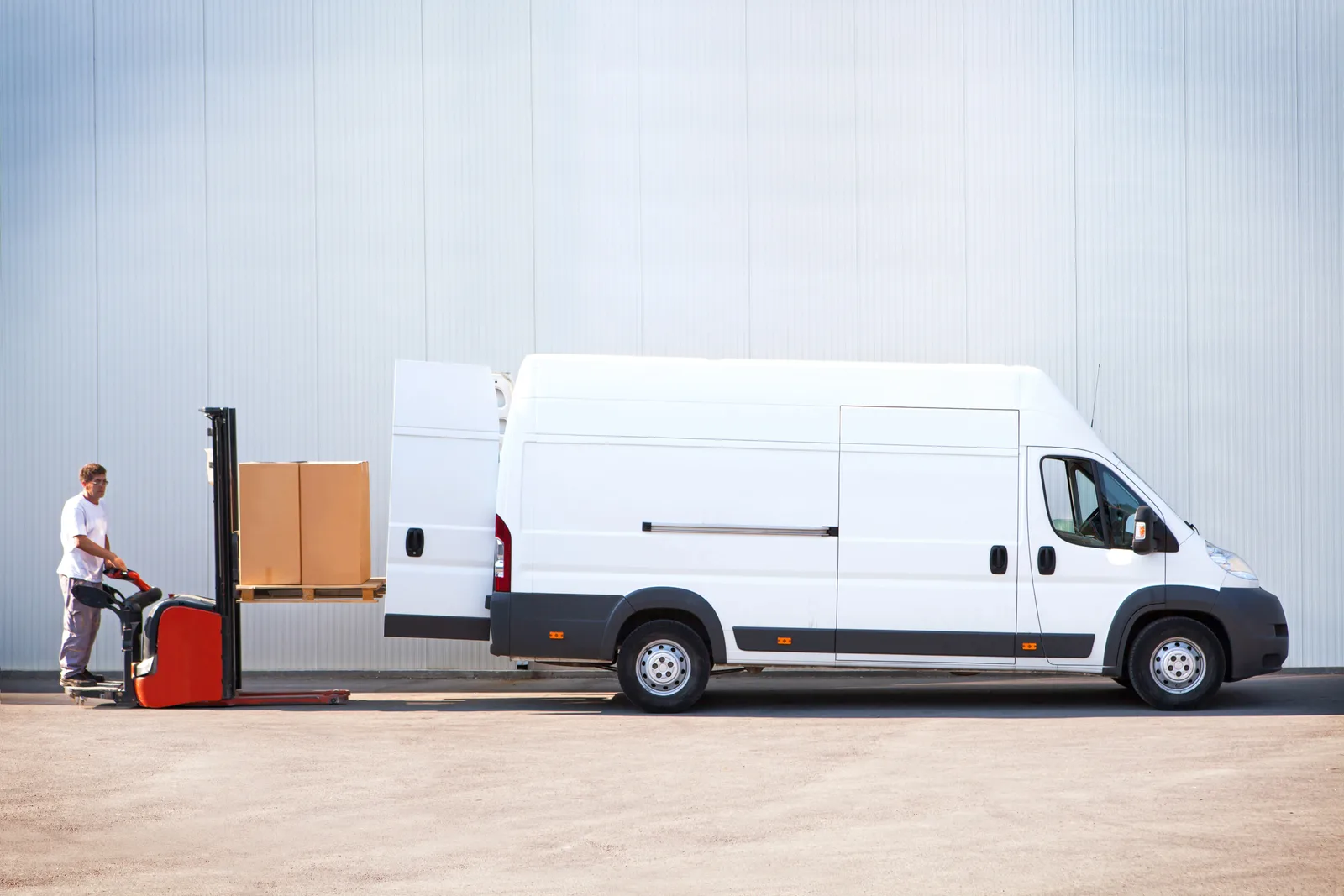
Shipping a skid for the first time is simpler than it looks — but a few details decided before pickup make the difference between a smooth delivery and a truck that shows up unable to load. This guide walks through the whole process the way it actually works between businesses in the GTA: preparing the pallet, choosing the right service level, handling locations without docks, and what to expect at delivery.
Start with the four facts every carrier asks for
Every skid quote starts with the same four questions, so have them ready:
- Dimensions — length, width and height of the loaded pallet, in inches. A standard skid footprint is 48″ × 40″, but oversize decks and tall loads change what vehicle fits.
- Weight — the loaded weight, as accurately as you can get it. Weight determines the vehicle, the loading method and whether the shipment is a candidate for a straight truck or needs a semi.
- Loading at both ends — is there a shipping dock or a forklift at pickup and delivery? If either end has neither, say so up front and ask for a tailgate (lift-gate) truck.
- Timing — does this need to arrive today, or is tomorrow fine? The answer usually decides your service and your rate.
Getting these right up front means the quote you receive is the price you pay, and the truck that arrives is the truck that can actually take the freight.
Prepare the skid so it travels well
A well-built pallet protects the freight and speeds up loading:
- Use a sound pallet. Cracked stringers and broken deck boards fail under a forklift. If the load is heavy, use a pallet rated for it.
- Keep the load inside the pallet footprint. Overhang gets crushed against walls and other freight, and it can make a load unsafe to lift.
- Stack heavy to light, and keep it level. A flat, stable top also matters if anything else has to ride above or beside it.
- Stretch-wrap to the pallet, not just around the boxes. The wrap should anchor the load to the deck so the whole unit moves as one piece.
- Band or strap anything that could shift. Machinery and fabricated metal in particular should be secured to the deck, not just wrapped.
- Label it with the destination company, address and a contact phone number, even when paperwork travels with the driver.
Choose the service level that matches the deadline
In the GTA you have three realistic options for a skid, and the right one is a function of the deadline:
| Service | When it arrives | Best for |
|---|---|---|
| Same-day direct | Same business day | Orders promised for today, transfers between your own locations |
| Rush | Priority — the next suitable vehicle goes straight to the destination | Line-down parts, hard cutoffs, freight holding up a job |
| Next-day LTL | Next business day | Cost-sensitive freight that suits a next-business-day window |
Direct service means the skid rides straight from your dock to the destination — no terminals, no cross-docking, no network. That matters for anything fragile, valuable or urgent, because what leaves your dock is exactly what arrives. LTL (less-than-truckload) trades a bit of speed for economy: your skid shares the truck with other freight heading the same way. For a deeper comparison, see our guide to LTL versus direct courier in Ontario.
No dock? Book a tailgate truck
Plenty of GTA businesses — storefronts, clinics, small shops, job sites — have no dock and no forklift. The answer is a tailgate (also called a lift-gate): a hydraulic platform on the back of the truck that lowers the skid to ground level, where it can be moved with a pallet jack.
Two things to remember:
- Ask for the tailgate when you book, not when the truck arrives. Not every truck has one, and a truck without a tailgate cannot ground-deliver a skid.
- Tailgates have practical limits. Very heavy or very oversized skids may exceed what a lift platform safely handles — flag anything unusual when you request your quote so the right equipment is assigned.
Our answer page on what tailgate delivery is covers this in more detail.
What happens at delivery
A commercial skid delivery closes out in a predictable way:
- The driver arrives at the destination and delivers to the dock, or grounds the skid by tailgate.
- The receiver checks the freight — piece count and visible condition — before signing.
- The signature becomes the proof of delivery (POD): documented confirmation of who received the freight and when.
If anything is short or damaged, the receiver should note it on the POD at the time of delivery. That notation is what makes a freight claim straightforward instead of contested.
What this costs — and why there’s no flat rate
Skid pricing in the GTA is built from a handful of variables: distance, vehicle size, weight and dimensions, urgency, tailgate requirements and any extra time at pickup or delivery. That’s why reputable carriers quote per shipment rather than publishing a rate card — two skids of the same size can price differently if one needs a rush direct run and the other can ride a next-day LTL lane. We break down each factor in what it costs to ship a skid in the GTA.
Roughly 60% of what we move at Sonic Transport involves skids and pallets, from single-skid deliveries to multi-pallet loads — it’s the heart of our business. If you have a skid to move anywhere in the GTA, Golden Horseshoe or Southern Ontario, tell us what’s shipping and a real person will price the run and put the right vehicle on it.
Frequently asked questions
Can one skid ship on its own, or do carriers need a full truck?
One skid ships on its own all the time. A single skid can go same-day on a direct run, or next-day on an LTL lane where it shares the truck with freight heading the same way — sharing the vehicle is what keeps the rate down.
Do I need to be there when the skid is picked up?
Someone at the pickup location needs to have the skid ready and accessible — either staff who can load it with a forklift, or a location where the carrier's tailgate truck can lift it. Confirm loading arrangements when you book.
What if my skid weighs more than a box truck can take?
Straight trucks top out around 10,000 lbs of payload. Beyond that, freight moves by semi — a good regional carrier will arrange that through transportation partners rather than turning the shipment away.