
Deliveries Without a Dock: The Tailgate Playbook for GTA Businesses
An operating playbook for GTA businesses without a shipping dock — booking tailgate trucks, site prep, pallet jacks and setting up smooth repeat deliveries.
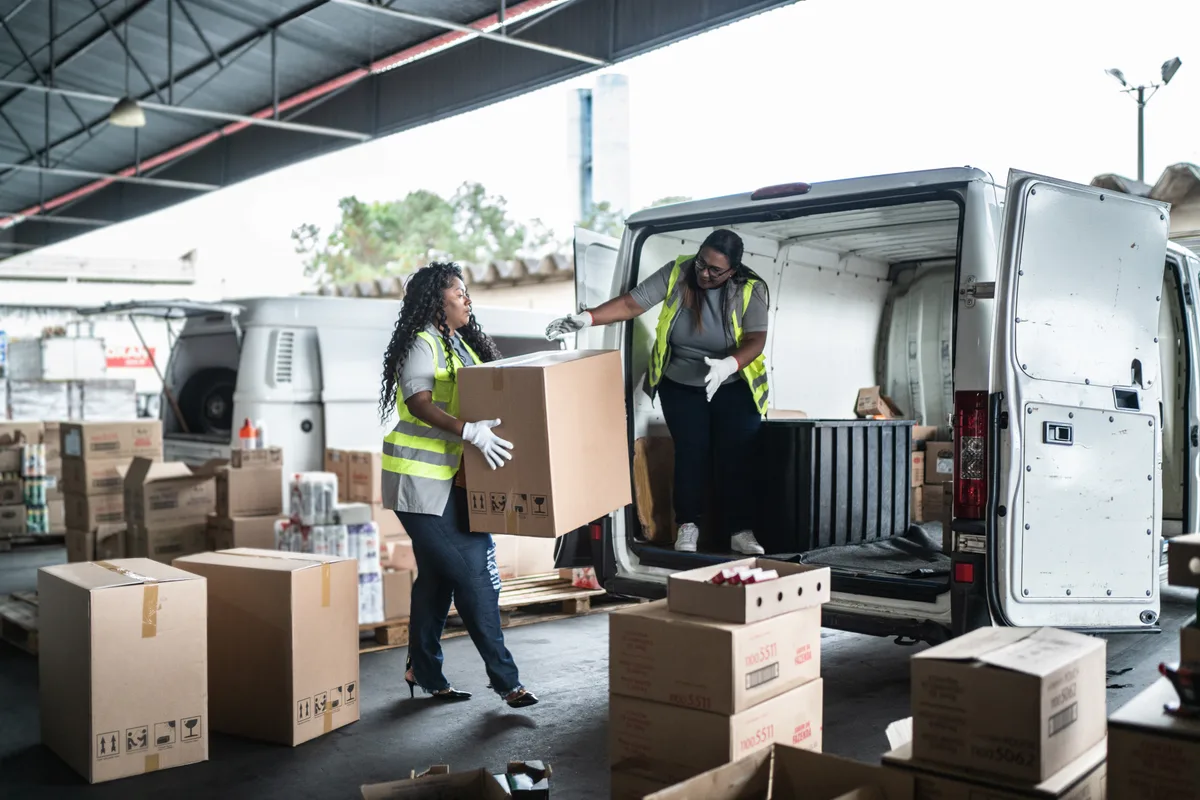
The truck backs in, the driver walks around, and the question comes: “Where’s your dock?” For thousands of GTA businesses — storefronts, clinics, workshops, showrooms, contractors — the answer is “we don’t have one,” and that answer is completely fine if the shipment was set up for it. Tailgate (lift-gate) service exists precisely so palletized freight can move to and from buildings with no dock and no forklift. What separates businesses that receive freight smoothly from the ones stuck rebooking failed deliveries isn’t equipment or square footage — it’s a short playbook, run consistently.
This is that playbook. If you’re new to the equipment itself, start with our explainer on what tailgate delivery is — this guide assumes the basics and focuses on running your operation around it.
Rule one: the tailgate goes in the booking, every time
The single most important habit is also the simplest: say “no dock, tailgate required” at booking, not at delivery. A tailgate is physical equipment mounted on specific trucks. If the dispatched vehicle doesn’t have one, no amount of goodwill at your door can ground the skid — the freight goes back and the run gets repeated on the right truck, costing everyone a day.
This applies in both directions. If you’re shipping out — returns, transfers, product heading to a customer — the pickup needs a tailgate too, because the platform is what lifts the skid from the ground up to the truck deck. Anyone sending freight to you should be told to book tailgate delivery as well; it’s worth adding one line to your purchase orders: “No dock at destination — tailgate delivery required.”
Audit your site once, so every delivery goes the same way
Walk your receiving area and answer five questions. It takes ten minutes and eliminates most surprises:
- Where does the truck park? A 26-foot straight truck needs room to position and open its gate. Identify the spot — laneway, parking area, curb — and keep it clear on delivery days.
- What’s the ground like? Pallet jacks want firm, level, smooth surfaces. Asphalt and concrete are fine; gravel, grass, deep cracks and steep slopes are not. Freight grounds where the pallet jack can actually roll.
- What’s the path from truck to door? Measure the door width and check for steps. A standard skid is 40″ wide plus load; a single step can end the journey.
- Any overhead constraints? Low canopies, awnings and parking structures can prevent a tall truck from getting close.
- Where does freight live once it lands? Decide in advance so skids don’t sit in the traffic path or block your entrance.
Write the answers down. They become your standing delivery instructions — the same information, given the same way, on every booking.
Get a pallet jack — it changes what you can accept
A tailgate solves the vertical problem: freight comes down from truck height to ground. The horizontal problem — moving the skid from where it lands to where you want it — belongs to the pallet jack. Drivers carry one to position freight at delivery, but owning your own means you can reposition skids after the truck leaves, stage outbound freight before pickup, and stop treating every delivery as a two-person lift.
For a no-dock business receiving palletized freight even monthly, a manual pallet jack is one of the cheapest pieces of capability you can add. Our answer page on what a pallet jack is covers how they work and their limits.
Shipping out without a dock
Receiving gets most of the attention, but outbound freight from a no-dock site follows the same physics in reverse. The playbook:
- Build and wrap the skid indoors, on a surface the pallet jack can roll on.
- Stage it as close to the truck’s parking spot as possible before the pickup window.
- Book the pickup with tailgate service and give your site notes — parking, surface, access.
- Have someone present who knows what’s shipping and can hand over any paperwork.
The driver positions the platform, rolls the skid on, lifts it to deck height and secures it. No forklift ever enters the picture. This is routine work — the full journey is covered in our guide to shipping a skid across the GTA.
Set up as a repeat receiver
If freight arrives weekly, stop rebooking from scratch. Ask your carrier to hold your site profile on file: no dock, tailgate required, where to park, surface notes, receiving hours, who signs. From then on, “delivery to your address” means all of that automatically.
This is where a carrier relationship pays off in a way one-off bookings can’t. At Sonic Transport, skid and pallet work is the core of the business — roughly 60% of what we move — and tailgates are standard on every one of our 26-foot box trucks, so a no-dock delivery is a normal run, not a special request. The person handling your account knows the site, which means the right truck shows up without you re-explaining your building every time.
Know the limits and have a plan B
Tailgates are rated equipment, and an honest playbook includes the edge cases:
- Very heavy skids can exceed a platform’s safe working load even when the truck itself could carry them. Dense freight — machinery, metal, stone — hits this ceiling first.
- Oversized footprints may not fit on the platform at all.
- Bad ground — soft, steep or broken surfaces — can make grounding unsafe regardless of weight.
None of these are dead ends; they’re routing decisions. Options include delivering to a nearby dock-equipped location you arrange, breaking the load into lighter skids, or scheduling equipment at the site. What matters is that weight and dimensions are declared accurately at quote time so the limit is caught on paper instead of in your parking lot. The receiver’s side of that day — inspection, paperwork, where freight lands — is covered in detail in receiving palletized freight without a dock or forklift.
Put the playbook to work
A no-dock building is not a freight handicap. With the tailgate in every booking, a site profile your carrier keeps on file, a pallet jack inside the door and honest weights on every quote, palletized freight moves in and out of a storefront as reliably as it moves across a warehouse dock. If your GTA business ships or receives skids without a dock, tell us about your site and your freight — Sonic Transport will set the account up so every delivery runs the same way: correctly, the first time.
Frequently asked questions
Do I need to tell the carrier I have no dock every single time?
Yes — until you set it up as a standing instruction on your account. The tailgate has to be on the truck that's dispatched, so it must be in the booking. Regular shippers solve this once by having the carrier note the site requirements on file so every future run is booked correctly by default.
Can a skid be delivered inside my building?
Standard tailgate delivery grounds the skid at the truck and moves it to the nearest safe, accessible point — typically a door, garage or receiving area at ground level. Delivery further inside depends on floor surfaces, door widths and what was arranged when the shipment was booked, so ask in advance rather than at the door.
What happens if a tailgate truck can't handle my freight?
Tailgates are rated equipment — extremely heavy or oversized skids can exceed the platform's safe limits even when the truck could carry the weight. In those cases the shipment needs different handling, such as a dock-equipped transfer point or lifting equipment at the site. Flagging weight and dimensions at quote time is what catches this before delivery day.