
The LTL Prep Checklist: Getting a Skid Ready to Share a Truck
A practical LTL prep checklist for shared-truck freight — building and wrapping the pallet, labelling every skid, paperwork, honest measurements and loading readiness.
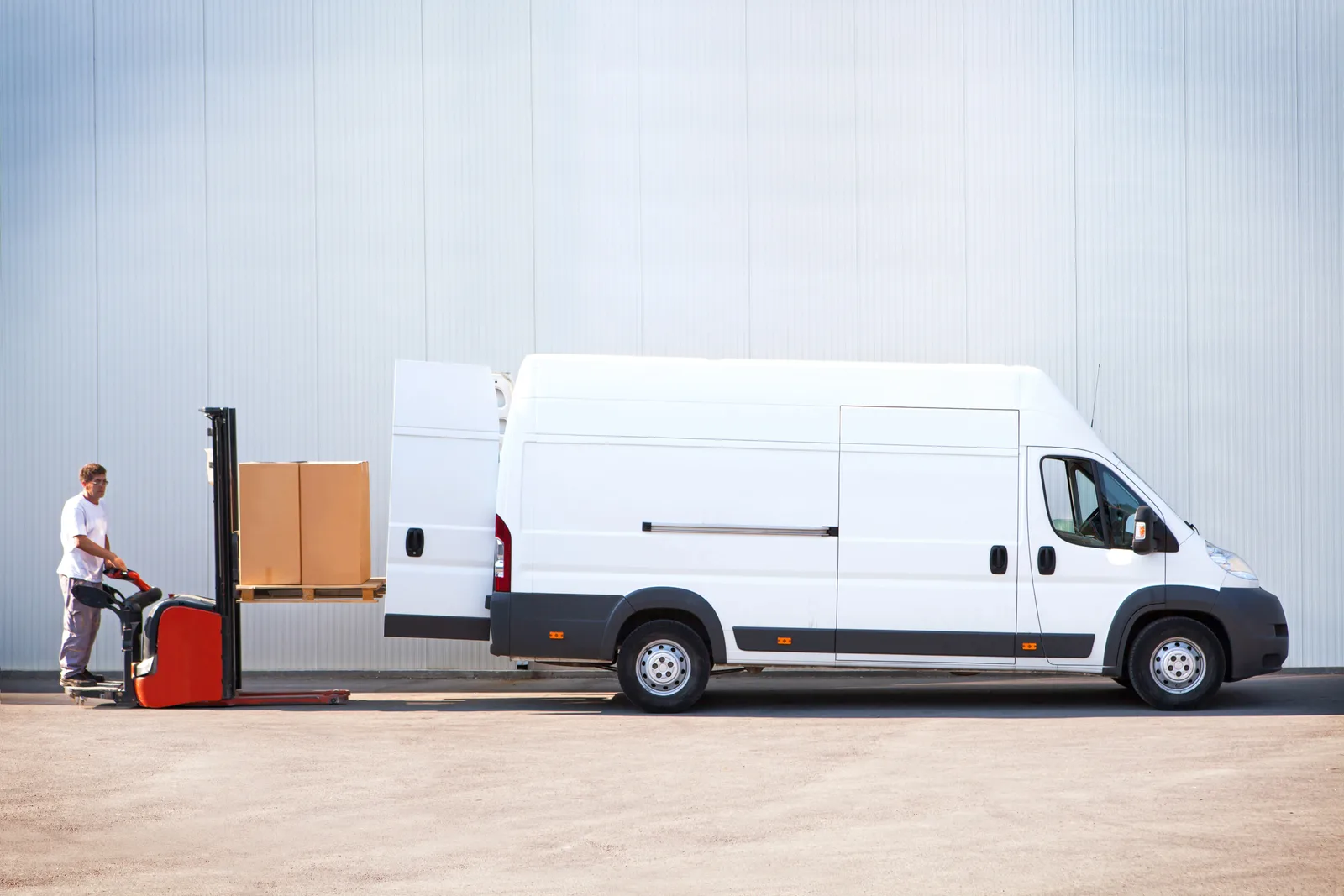
A skid that ships LTL needs more deliberate prep than one riding alone on a direct run, for one simple reason: it’s going to share a truck. It will be loaded beside other freight, possibly moved to build delivery routes, and handled by people who have only your wrap, your labels and your paperwork to go on. Get those three things right and shared-truck freight is routine. Get them wrong and you’re the shipment that arrives leaning, mislabelled or missing a carton nobody can account for.
This checklist covers the shared-truck specifics — if you’ve never palletized freight before, our guide on how to ship a skid across the GTA covers the fundamentals from the ground up.
Build the pallet to survive neighbours
An LTL skid doesn’t just need to survive the road — it needs to survive the freight around it. Start with the platform and the stack:
- Use a pallet that’s sound and sized to the load. Cracked stringers or missing deck boards fail under forklift handling, and LTL freight gets more of it than direct freight does.
- Keep everything inside the pallet footprint. Overhang is the single most common prep mistake in shared trucks: whatever sticks out gets pressed against walls and neighbouring skids for the whole ride.
- Stack in interlocking layers where the cartons allow it, heavy on the bottom, and keep the top as flat as you can. A level top means nothing crushes if freight ends up beside or against it.
- Don’t pyramid. A peaked stack concentrates any top-load onto a few cartons and gives the wrap nothing to grip at the shoulders.
Wrap like the skid will be moved more than once
Stretch wrap on an LTL skid has one job: making the pallet and its contents behave as a single unit through multiple handlings. Three rules cover it:
- Anchor the wrap to the pallet itself — several turns around the base that capture the deck, not just the bottom layer of boxes. Wrap that stops at the cartons lets the load slide off the pallet as one block.
- Overlap upward in a continuous spiral with real tension, finishing with extra turns at the top. Loose wrap is decoration.
- Strap or band anything dense or shift-prone — machined parts, fabricated metal, anything in a single heavy carton — to the deck before wrapping. Wrap contains; strapping restrains.
If it would tip, telescope or shed a carton when a forklift brakes with it, it isn’t ready for a shared truck.
Label every skid as if it will be separated from its paperwork
In a shared truck, labels do the talking. Every skid — not just the first one — should carry:
- Destination company name and full street address
- A contact name and phone number at the receiving end
- Piece count in the form “1 of 3”, “2 of 3”, so a partial delivery is obvious immediately
- Any handling flags that genuinely apply: this way up, do not stack, fragile
Put the label on at least two sides, high enough to read without bending, and under the wrap or in a sleeve so it can’t peel off. Remove or black out old shipping labels — a leftover label from a previous move is how freight ends up riding confidently in the wrong direction.
Get the paperwork straight before the truck arrives
LTL runs on the bill of lading (BOL). It should show the shipper and consignee names and addresses, an accurate description of the goods, the piece count, and the declared weight and dimensions. Two shared-truck specifics deserve extra care:
- The piece count on the BOL must match the physical count. The driver signs for what’s counted at pickup, and the receiver signs against the same number at delivery. That chain is what makes proof of delivery meaningful — and what makes any shortage claim clean instead of contested.
- Special requirements belong on the booking, not in a phone call at the dock. Tailgate needed at delivery, appointment required, no dock at the receiver — anything the carrier must plan equipment or routing around has to be declared up front.
Photograph the skid before it ships
Thirty seconds with a phone camera is cheap insurance for shared-truck freight. Once the skid is wrapped and labelled, take a few photos: the whole pallet from two angles, the labels, and anything about the condition worth recording. If the freight arrives damaged or a dispute comes up about how it was packed, dated photos of the skid as it left your dock settle the question quickly. Most shipments will never need them — the ones that do, really do.
Measure and weigh honestly
Your declared dimensions and weight aren’t a formality — the carrier builds the truck around them. Measure the loaded pallet at its widest and tallest points, including any overhang you couldn’t eliminate, and get the weight from a scale rather than a guess. Optimistic numbers don’t save money; they produce quotes that get corrected after the fact and trucks that arrive without the space or equipment the freight actually needs.
Confirm what’s waiting at both ends
A perfectly prepped skid still fails if nobody can load or unload it. Before booking, confirm:
- Pickup: Is there a dock or forklift, and will the skid be staged and accessible when the truck arrives? A driver hunting through a warehouse for freight burns the schedule for every other shipper on the truck.
- Delivery: Does the receiver have a dock or forklift? If not, book tailgate service so the skid can be grounded and moved by pallet jack.
- Hours: Shared trucks run planned routes, so the receiver needs to be open and able to accept freight through the delivery window — worth a quick call if their dock keeps limited hours.
The sixty-second run-through
Before you book, walk the skid and check:
- Pallet sound, load inside the footprint, top level
- Wrap anchored to the pallet, tight, top finished
- Dense items strapped to the deck
- Labels on two sides with address, contact and piece count; old labels gone
- BOL matches the physical count, weight and dimensions measured, not guessed
- Tailgate, appointment or any special requirement declared on the booking
- Both ends confirmed able to load and receive
That’s the whole discipline. It takes minutes, and it’s the difference between freight that moves through a shared network invisibly and freight that generates phone calls.
Prepped freight ships better — and quotes better
Everything on this checklist also makes your quote more accurate, because the price of an LTL move is built from the same facts: real dimensions, real weight, and the equipment each end actually needs. Our next-day LTL service covers the GTA, Golden Horseshoe and Southern Ontario, with tailgate available on every truck and POD closing out every delivery. When your skid is ready to share a truck, tell us what’s shipping and we’ll put it on the right lane.
Frequently asked questions
Why does packaging matter more for LTL than for a direct run?
On a direct run, your freight rides alone and is handled at pickup and delivery only. In LTL, the skid shares the truck with other shippers' freight and may be moved to build delivery routes, so it needs to survive neighbours, extra forklift touches and normal load shifting. The pallet, wrap and labelling do the protecting when nobody from your company is standing next to it.
What happens if my declared weight or dimensions are wrong?
The carrier plans space and equipment around what you declare, so undersized declarations can mean the truck that arrives can't take the freight, and the invoice can be adjusted after the fact to reflect reality. Measure the loaded pallet at its widest points, weigh it as accurately as you can, and quote from real numbers.
Do I need special labels for LTL freight?
No special format is required, but every skid should carry the destination company name, full address, a contact name and phone number, and the piece count (for example, 1 of 3). Label at least two sides so the information is visible however the skid is positioned in the truck.