
Shipping Fabricated Metal in the GTA: From Weld Shop to Install
How fabricated metal moves across the GTA — dense-load skidding, securement that holds steel, protecting finishes, and open-bed trucks for long stock.
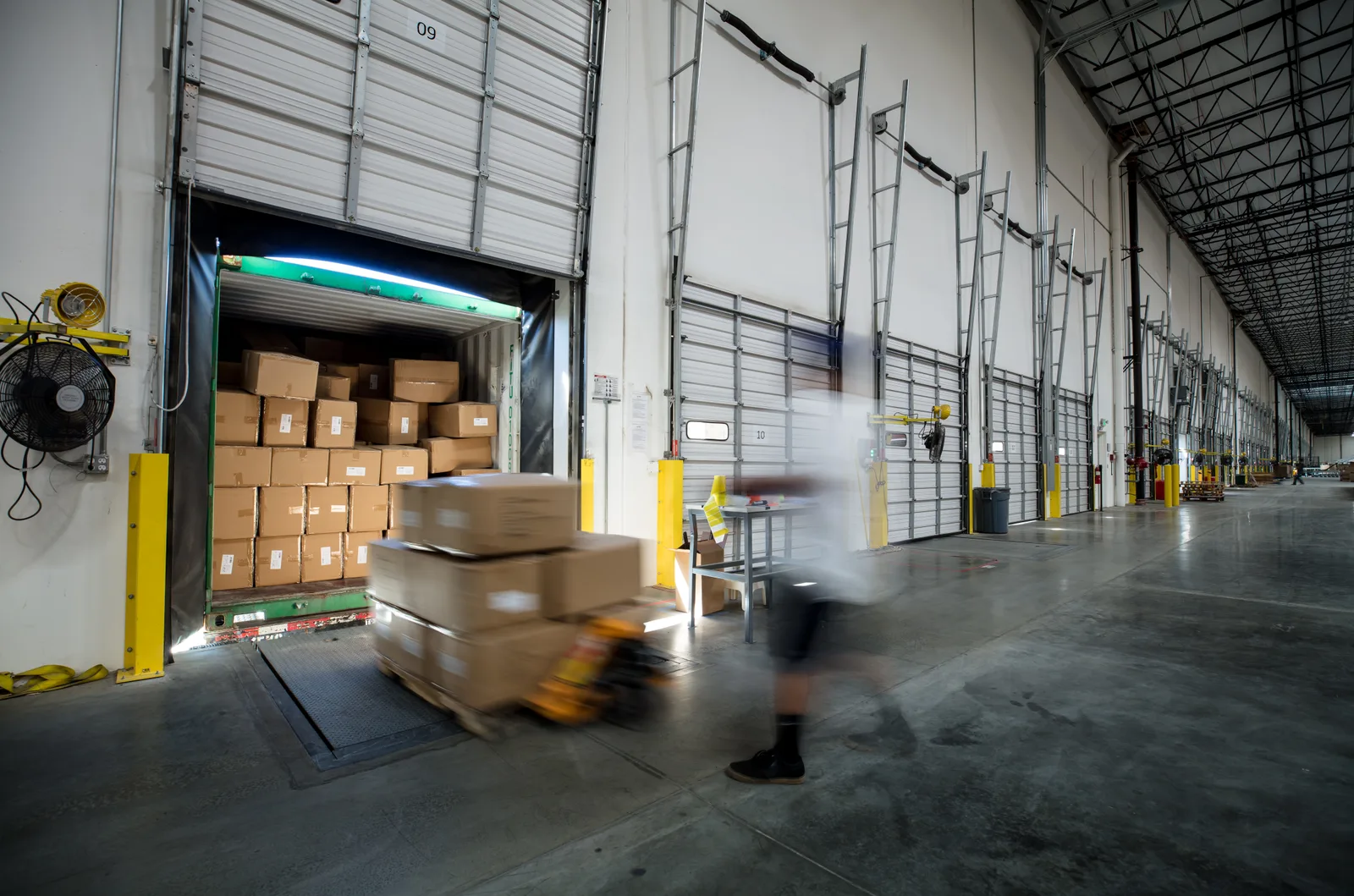
Fabricated metal is honest freight — it doesn’t crush, spoil or care much about weather. But it punishes sloppy shipping in its own ways: it’s dense enough to overload a pallet that looks half-empty, its edges cut through wrap and strapping, its finishes scratch in transit, and its long profiles simply don’t fit the trucks most freight rides in. Moving metal from a GTA weld shop to a job site or a customer’s plant is routine work when the shipment is planned around those four realities. Here’s the working guide.
Density first: weigh it, because the eye can’t
Steel runs heavy in ways intuition doesn’t catch. A compact skid of plate offcuts, brackets or machined weldments can outweigh a full pallet-load of cartons several times over — and “it looks like a normal skid” is how dense freight ends up on the wrong truck.
So the first discipline is arithmetic, not packaging. Total up the real weight from cut lists, material specs or a scale, and give the carrier the true figure — most fab shops can calculate it to the kilogram from the drawings, which makes metal one of the few freight types with no excuse for a guessed weight. Density shapes every downstream decision:
- The pallet rating. A standard pallet under a concentrated ton of steel is a failure point. Dense loads want heavy-duty hardwood skids sized to spread the weight across stringers.
- The handling equipment. Forklifts and hydraulic tailgates are both rated; a small, innocent-looking skid of plate can exceed a tailgate’s safe working load long before it fills the platform. If the destination has no dock, that’s a booking conversation — our answer on moving a 1,000 lb skid explains how weight and ground-level delivery interact.
- The truck itself. Metal is freight that “weighs out” before it “cubes out” — a 26-foot box truck can hit its roughly 10,000 lb payload with most of the floor still visible. Why that class of truck is still the right tool for most heavy GTA freight is covered in our straight-truck guide.
Securement: wrap holds boxes, not steel
Stretch film is nearly ceremonial on a metal skid — useful against dust and as a visual seal, useless as restraint. Metal moves under banding:
- Band through and over structure. Steel or heavy polyester strapping should run over the load and through or around the skid so the metal and the wood move as one unit. Two bands minimum; more for mixed or long pieces.
- Protect the band from the load and the load from the band. Sharp fabricated edges cut strapping under vibration; strapping bites into finished surfaces. Edge protectors at every contact corner solve both at once.
- Block and brace inside the load. Pieces that can slide against each other, will. Timber blocking, plywood separators and packing dunnage keep the pieces from migrating — see what dunnage is for the options and where each fits.
- Bolt what has holes. Weldments and frames with mounting points can be lagged straight to the skid — the most positive securement there is.
The standard for any dense skid: push hard against the load, and the whole unit — steel and skid together — should move as one piece or not at all. The general craft is in our guide to building a pallet that survives the truck; metal just raises the stakes on every rule.
Finished surfaces: the damage is rub, not impact
For raw stock headed to the next process, cosmetic marks are irrelevant. For powder coat, anodizing, polished stainless, or architectural pieces going straight to install, transit rub is the enemy — thousands of tiny vibrations grinding one piece against its neighbour for an hour of highway.
The countermeasures are cheap and reliable: never stack finished faces in direct contact; separate layers with foam, corrugated sheet or carpet-faced dunnage; pad every strap path; and immobilize the stack so pieces can’t oscillate. It’s worth building this into your shop’s shipping routine rather than improvising per order — the same separator stock and edge protection, cut once and reused, covers most of what leaves the bay.
For high-value finished work, direct delivery earns its keep for a second reason — freight that rides one truck from shop to site is handled at exactly two moments, loading and unloading, rather than being transferred among other freight along the way. A refinish costs more than the difference in service ever will.
Long stock: when the freight is longer than the box
Bar, tube, angle, extrusions, handrail sections, pre-cut structural pieces — length is metal’s signature awkwardness. An enclosed cargo box has a hard interior limit, and a profile that doesn’t fit diagonally doesn’t fit at all.
At courier scale, the practical answer is the open bed: a pickup truck with proper tie-down points carries long stock that no van can swallow, secured with straps and flagged as required. It’s a legitimately underused option for fabricators moving a bundle of lengths to a site or a finisher. Sonic Transport runs pickup trucks in the fleet for exactly this work — open bed, long stock, tie-downs — alongside the box trucks that take the skidded freight. For the outer boundaries of what fits at all, see the size limits for courier freight; beyond them, structural loads move on flatbeds arranged through transportation partners.
From shop floor to install: run it as one plan
Metal shipments usually serve a schedule — an install crew, a coating line, a machine build. The pattern that works in the GTA:
- Stage by destination and sequence. If the site needs the columns before the infill, load so they come off first.
- Label bundles and skids with the job name, piece marks and count, matching the packing list the site super is holding.
- Book to the site’s reality. Job sites rarely have docks; ground-level delivery by tailgate — within its weight limits — or crew offload from an open bed should be decided when the run is booked, not when the truck rolls up.
- Keep the paper tight. Piece-count verification at delivery, signed POD, and any discrepancy noted on the spot.
This work — dense skids, banded loads, awkward lengths, job-site drops across Toronto, Mississauga, Brampton, Vaughan, Hamilton and the rest of the region — is core skid and pallet freight for Sonic Transport, with pickups and 26-foot tailgate trucks covering the shapes a fab shop actually produces. When the next order leaves the weld bay, tell us the weights, lengths and where it lands — we’ll put the right deck under it.
Frequently asked questions
Can long steel or aluminum stock ship without a flatbed?
Often, yes. Lengths that outrun an enclosed box can ride an open-bed pickup with proper tie-downs, which is a practical option for bar, tube, angle and extrusions at courier scale. Truly heavy or very long structural loads remain flatbed territory — give the carrier exact lengths and weights and let the equipment be matched to the load.
How do I protect powder-coated or finished metal in transit?
Separate and cushion every contact point: foam, cardboard or carpet-faced dunnage between pieces, edge protection wherever straps or banding touch, and no bare metal-on-metal stacking. Most finish damage happens from vibration rubbing pieces against each other, so immobilizing the load matters as much as padding it.
Does fabricated metal need to be crated?
Not usually. Most fabricated metal ships skidded and banded, with dunnage between pieces. Crating earns its cost for precision components, delicate assemblies with protruding elements, or finished architectural pieces where any surface contact is unacceptable.