
B2B Replenishment for E-Commerce Brands: Restocks, Returns and 3PL Runs
The freight legs behind an e-commerce brand — restock runs to 3PLs, marketplace DC appointments, returns retrieval and scheduled shuttles across the GTA.
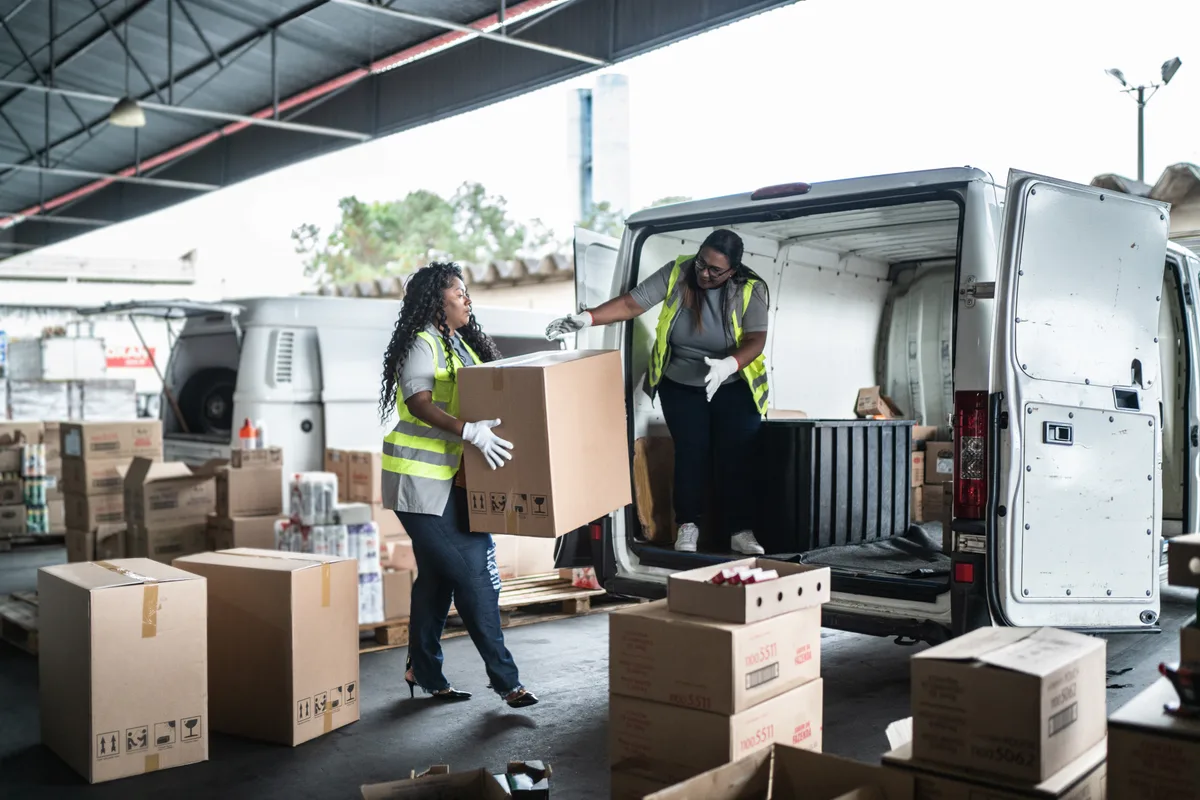
An e-commerce brand’s shipping problem is really two problems wearing one label. The visible one is parcels — thousands of consumer orders flowing out of a fulfilment operation, handled by parcel networks. The invisible one is freight: the skids of inventory that have to reach the 3PL before any parcel can ship, the pallets going into marketplace distribution centres against a purchase order, the returns coming back by the gaylord, the stock shuttling between a brand’s storage unit and its fulfilment provider. That second problem is pure B2B freight, it’s what actually determines whether the brand stays in stock — and it’s the side this article covers.
The four freight legs behind every e-commerce operation
Strip away the storefront and most brands run some mix of these moves:
| Leg | What moves | Typical rhythm |
|---|---|---|
| Storage → 3PL restock | Skids or cartons of sellable inventory | Weekly or better; faster in peak |
| Into marketplace DCs | Palletized freight against a PO, by appointment | Per replenishment cycle |
| Returns retrieval | Gaylords and cartons of customer returns for inspection | Weekly to monthly |
| Facility-to-facility | Stock transfers, packaging supplies, rework batches | As needed |
Each leg is a short-haul, high-frequency move — exactly the profile where a regional carrier fits better than either a national LTL network (slow and terminal-bound for a 40 km run) or the brand’s own staff driving rented vans. Our answer page on how e-commerce brands move B2B freight gives the compact version of this picture.
The restock run: feeding the 3PL
The restock leg is the one that stops the business when it fails. When inventory at the 3PL runs out, listings go out of stock, ad spend keeps burning against pages that can’t convert, and marketplace rankings slide — and reordering climbs back slowly. Meanwhile the inventory usually exists, sitting in the brand’s own storage across town.
The fix is rhythm. A scheduled route — a standing weekly or twice-weekly run from the brand’s storage to the 3PL’s receiving dock — turns restocking from a scramble into a routine: the brand stages skids to a known cutoff, the truck arrives on its day, receiving at the 3PL knows what’s coming. During Q4 and promotion windows the cadence flexes up rather than the process being reinvented. And because 3PLs receive by appointment or within set windows, a carrier who already knows the facility’s receiving rules saves a failed trip.
It’s worth knowing how the receiving side lives, too — a 3PL juggling dozens of clients has its own capacity crunches, which is why many keep an overflow carrier relationship of their own for peak weeks.
Marketplace DC deliveries: appointments are the whole game
Delivering into a large marketplace or retail distribution centre is the most procedural freight most brands ever ship. These facilities schedule their dock doors tightly, and the rules are non-negotiable:
- Book the delivery appointment in advance through the DC’s scheduling system, tied to the purchase order or shipment ID.
- Label to the routing guide — carton and pallet labels exactly as specified, because unlabelled freight gets refused or delayed.
- Arrive inside the window. Early trucks wait; late trucks are commonly turned away and rebooked, which can cost days.
- Paperwork matched to the PO — the bill of lading and shipment documents must line up with what the appointment says is arriving.
None of this is difficult, but all of it is unforgiving, and a missed appointment during a peak period is genuinely expensive in lost selling days. The practical requirement for the brand is a carrier that treats the appointment as the deadline it is — direct run, correct paperwork in the driver’s hand, arrival planned around the window rather than around convenience.
Returns: the leg everyone forgets until it’s a pile
E-commerce returns arrive at the fulfilment point continuously, and most 3PLs will consolidate them — but they won’t store them forever, and returns are money frozen in cardboard: units that can’t be resold until someone inspects, regrades and restocks them. A recurring retrieval run — gaylords and cartons of returns moving from the 3PL back to the brand’s own space for processing — keeps that pile from becoming a storage fee and gets sellable units back into inventory. It’s unglamorous freight, and it’s the difference between returns being a managed cost and a mystery write-off at year end.
The same recurring-run logic covers the small inbound legs, like keeping the operation fed with boxes, mailers and void fill — freight that behaves exactly like any packaging supplier’s distribution run.
Why the GTA makes this model work
The Toronto area is Canada’s e-commerce engine room: 3PLs and fulfilment operations clustered through Mississauga, Brampton, Vaughan and Scarborough, marketplace DCs ringing the region, and thousands of brands operating out of small warehouses and industrial condos in between. Almost every leg above is under an hour’s drive — short enough that a dedicated direct run is affordable, frequent enough that a schedule pays for itself in never having to think about it.
Sonic Transport runs these legs every week across the GTA and Southern Ontario: scheduled restock shuttles, appointment deliveries handled with the paperwork right, returns retrieval on a standing cadence, and a person who knows your account instead of a call centre. If your inventory needs to move between facilities more reliably than it does now, tell us about your legs and volumes and we’ll build the schedule.
Frequently asked questions
What's the difference between a brand's parcel shipping and its B2B freight?
Parcel shipping is the outbound consumer side — individual orders leaving the 3PL or fulfilment centre for customers. B2B freight is everything upstream and sideways of that: skids of inventory moving from the brand's storage to the 3PL, deliveries into marketplace DCs, returns coming back and stock transfers between facilities. Different carriers, different rules, different pricing.
Why do marketplace distribution centres require delivery appointments?
Because they receive enormous volumes and schedule dock doors precisely. An appointment ties your freight to a time slot, a door and a purchase order; arriving without one, or missing the slot, usually means being turned away and rebooking — which can push a restock back days during a busy period.
How often should a brand schedule restock runs to its 3PL?
Match the cadence to sales velocity: weekly is a common starting point, moving to twice-weekly or more in Q4 and promotion periods. A scheduled run keeps inventory flowing without booking each trip from scratch, and the schedule can flex up during peak rather than being rebuilt.