
Distribution for Packaging Suppliers: Boxes That Ship Boxes
How packaging suppliers keep corrugated, film and void fill flowing to GTA customers — cube-heavy freight, standing route days and same-day stockout runs.
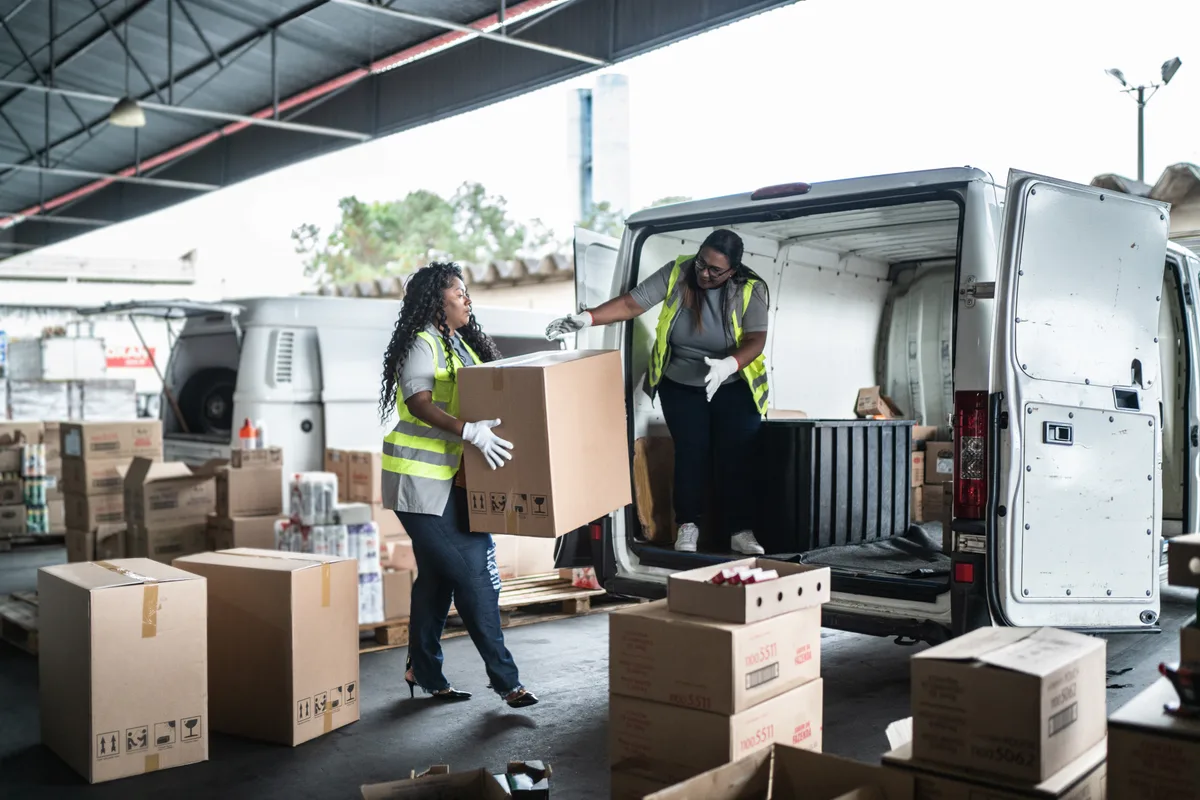
Packaging is the freight every other shipper depends on. When a customer runs out of cartons, tape or stretch film, nothing leaves their building — their shipping stops until yours arrives. That gives packaging distribution a peculiar character: the product is cheap, bulky and unglamorous, and the delivery is mission-critical. A supplier’s real differentiator is rarely the box; it’s whether the box is reliably there.
Here’s how packaging suppliers across the GTA keep that promise without overpaying for transportation.
Packaging freight cubes out before it weighs out
The physics of packaging freight is the opposite of most industrial loads. Bundled corrugated, rolls of stretch film, bags of void fill, foam and mailers are light for the space they consume — a vehicle fills to the roof while the axles barely notice. In freight terms, the load “cubes out” rather than “weighs out.”
That has two practical consequences:
- Buy space, not payload. The right vehicles maximize usable volume: high-roof cargo vans and Sprinters for mid-size orders, 26-foot box trucks for full route days. Paying for a vehicle’s weight capacity you’ll never touch is wasted spend — one of several cost levers explained in our answer on what determines courier rates in the GTA.
- Load for the route, not the warehouse. Cube-heavy freight is easy to load badly. Stops loaded in reverse order come off clean; bundles stacked without regard to sequence get handled twice at every door.
Corrugated has one more quirk: it’s tough in a stack and fragile at the corners, and it’s ruined by water. Enclosed vehicles and intact wrap aren’t optional.
Customers reorder on a rhythm — build the routes around it
Packaging consumption is steady and predictable: a customer who ships every day uses cartons every day. That makes packaging distribution a natural fit for scheduled routes — standing delivery days where the same driver covers the same territory on the same day each week.
The economics are straightforward. A route day amortizes the vehicle across many stops heading the same direction, so each delivery costs a fraction of a dedicated run. But the operational benefits compound further:
- Customers plan around the day. “Order by the day before, receive on your route day” becomes part of how they run their own shipping room.
- The driver becomes part of the service. Someone who knows each stop’s receiving door, stacking preference and signer clears deliveries faster and generates fewer callbacks.
- Order patterns smooth out. Predictable delivery days pull customers toward fuller, less frequent orders — cheaper to move and easier to pick.
This is the same standing-route logic that applies across wholesale — our wholesale distributor’s guide to courier and freight covers the full framework, and the answer on how distributors restock retailers shows the pattern from the customer’s side.
The stockout run is the reputation-maker
No matter how good the routes are, someone will call at mid-morning with an empty carton rack and a full order queue. A packaging stockout is a line-down event for the customer’s shipping department — and the supplier who solves it same-day is the supplier who keeps the account.
The play is a same-day direct run: cartons picked, loaded and driven straight to the customer, separate from the route schedule. Keep it rare by watching reorder patterns, but keep it available — the route handles the routine, the direct run handles the emergency, and the customer sees one seamless service.
Delivery points range from docks to doorways
Packaging customers span the whole spectrum of receiving capability: manufacturers with proper docks, fulfillment operations in industrial condos, and small e-commerce shippers working out of units with a man-door and no forklift. Plan for the spread:
- Skids where the customer can take skids. Palletized corrugated unloads in minutes at a dock.
- Tailgate for the no-dock stops. A lift-gate grounds a skid at street level, where a pallet jack finishes the job.
- Hand-stack where nothing else works. Some stops simply receive bundles by hand — build the time into the route rather than fighting it.
Getting each stop’s receiving reality into the route notes once — instead of rediscovering it weekly — is a small discipline that saves hours across a route day. Suppliers of janitorial and sanitation products run into the same spread of destinations, as we cover in delivering cleaning and sanitation supplies.
What a packaging supplier should ask a carrier
Three questions sort carriers quickly. Can you run a standing route day and keep the same driver on it? Can you flex vehicle size week to week as volume swings? And when a customer stockout hits, can a same-day run happen without disturbing the route? A carrier that answers yes to all three functions as the supplier’s shipping department.
Sonic Transport runs exactly this combination for suppliers across the GTA, Golden Horseshoe and Southern Ontario — standing scheduled routes, cube-friendly vehicles from Sprinters to 26-foot box trucks, and direct runs when a customer’s rack is empty. If your customers count on boxes arriving before they can ship their own, tell us about your delivery pattern and a real person will build the route around it.
Frequently asked questions
Why is packaging freight priced by space instead of weight?
Because corrugated bundles, film and void fill fill a vehicle's cubic capacity long before they approach its weight limit. When freight cubes out, the space it occupies is what the carrier can't sell to anyone else, so vehicle size and volume drive the rate more than the scale reading does.
How often do packaging customers need delivery?
It tracks their shipping volume. A busy fulfillment operation can burn through cartons weekly or faster, while a smaller shipper reorders monthly. That consumption rhythm is why packaging suppliers tend to settle into standing route days per area, with same-day runs reserved for stockouts.
What happens when a customer runs out of cartons mid-week?
A stockout stops their outbound shipping, so it's treated as urgent: a same-day direct run moves cartons straight from the supplier's warehouse to the customer rather than waiting for the next route day. Suppliers who respond to stockouts quickly tend to keep the account.