
The 3PL's Overflow Partner: Extra Trucks Without the Overhead
How 3PLs and warehouses in the GTA handle delivery overflow — dedicated trucks on demand for peak season, client surges and fleet gaps, without owning more vehicles.
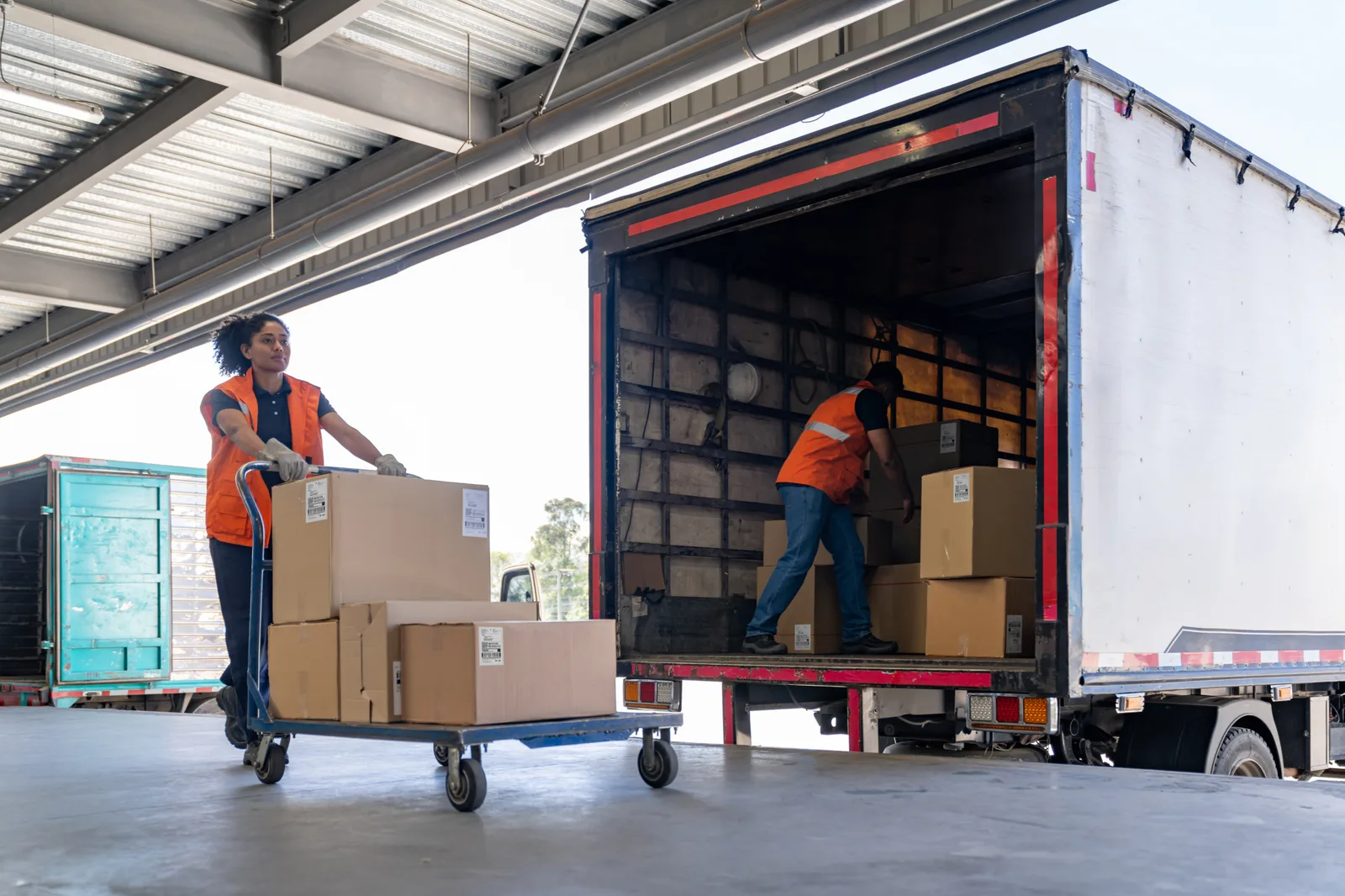
Every third-party logistics operation eventually meets the same arithmetic. Size the delivery fleet for average demand, and peak weeks bury you. Size it for peak, and for ten months of the year you’re paying for trucks that sit, drivers on the clock without full routes, insurance on steel that isn’t earning. The fleet that is exactly right does not exist, because 3PL demand is a stack of other companies’ demand curves — every client’s promotions, launches and seasonal spikes land on your dock, and they don’t coordinate with each other before they do.
The operators who solve this don’t solve it with more trucks. They solve it with a second layer of capacity that costs nothing until the moment it’s used: an overflow partner.
What overflow actually looks like on the floor
The word “overflow” suggests peak season, and Q4 is certainly part of it. But ask a warehouse manager when they last needed a truck they didn’t have, and the answers are mostly ordinary Tuesdays. A client launches a flash promotion and this week’s outbound doubles. A new account goes live a month earlier than the fleet plan assumed. Two drivers call in sick during the same stretch a box truck is in for brakes. A single customer books a delivery pattern — say, forty stops across the Golden Horseshoe in two days — that would consume the whole fleet and strand every other client’s freight.
None of these are emergencies of the dramatic kind. They are scheduling overflows: more committed deliveries than owned wheels, on a specific day. And the 3PL’s problem is sharpened by whose promises are at stake — the delivery commitment belongs to the client, and the client’s customer is the one watching the dock door. A 3PL that misses deliveries doesn’t just have a bad day; it hands its client a reason to shop for a new 3PL. Our answer page on how 3PLs handle overflow condenses this picture; the rest of this article is about what the partnership looks like when it works.
Dedicated capacity: an extra fleet vehicle that appears on demand
The overflow relationship that works best is built on dedicated vehicle service: a truck and driver reserved for the 3PL’s freight for a defined block — a day, a recurring route, a full peak season. Within that block the vehicle works the 3PL’s dispatch list exclusively, the way an owned truck would, without the 3PL owning anything.
That structure matters more than it first appears. Shipment-by-shipment booking works fine for the occasional extra skid, but overflow days aren’t one shipment — they’re a route’s worth of work that needs a vehicle running it start to finish. A dedicated truck slots into the 3PL’s own operating pattern: load it at the dock alongside the house fleet, hand the driver the manifest, and the day runs as if the fleet were simply one truck bigger. When the surge passes, the extra truck stops arriving, and so does its cost. The overhead the title promises to avoid — financing, insurance, maintenance, a driver on payroll through the slow months — never lands on the books at all.
The vehicle mix matters too. Overflow work isn’t all skid loads: some days it’s a Sprinter’s worth of cartons, some days a 26-foot box truck with a tailgate for no-dock deliveries. A partner with a range of vehicles, from vans up to 10,000-lb straight trucks, can send the size the day actually requires.
The paperwork loop is what makes it invisible
The operational test of an overflow partner is simple: does the 3PL’s client ever feel the difference? Deliveries made by the partner have to close out to the same standard as deliveries made by the house fleet — signed proof of delivery on every stop, exceptions reported as they happen rather than discovered next morning, and all of it flowing back to the 3PL promptly so client records stay complete and the 3PL remains the single point of contact its client hired.
This is where a partner with a personal service model earns its place. Overflow dispatch is conversational by nature — “we need a truck at door 14 tomorrow, here’s the stop list, watch out for the one receiver that closes early.” That conversation works when the carrier side is a person who knows the account, its docks and its quirks; it works badly through a call-centre queue. The 3PLs that keep an overflow partner for years are the ones whose partner functions like an extension of their own dispatch board.
Where the freight comes from — and why the pattern repeats
A GTA 3PL’s client roster reads like a cross-section of this region’s economy: e-commerce brands whose restock and returns legs surge with every promotion, wholesale distributors running the replenishment rhythms covered in our distributor courier guide, and manufacturers whose outbound freight follows production schedules rather than the 3PL’s convenience. Each client’s spikes arrive on their own calendar, which is precisely why the aggregate is so lumpy — and why warehouses and 3PLs, more than almost any other sector, get structural value from capacity that scales by the day.
The practical advice for any 3PL operator: establish the relationship before the crunch. The worst time to find an overflow carrier is the morning you need one, with an unfamiliar dispatcher, unvetted paperwork practices and no history at your dock. The best time is a quiet month — run a few ordinary days through the partner, let them learn your doors, your manifest format and your clients’ receiving quirks, so that when the real surge lands the extra truck is a known quantity.
Sonic Transport plays this role for warehouses and 3PLs across the GTA, Golden Horseshoe and Southern Ontario — dedicated trucks from cargo vans to tailgate-equipped 26-footers, a dispatcher who knows your operation, and POD discipline on every stop so your client records never show the seam. If your fleet has been exactly one truck short a few too many times, tell us about your overflow pattern and we’ll be ready before the next surge is.
Frequently asked questions
What is overflow capacity for a 3PL?
Overflow is the delivery demand that exceeds what a 3PL's own fleet can cover on a given day — a client's promotion, peak season, a driver absence or a truck in the shop. An overflow partner is an outside carrier that absorbs those runs on demand, so the 3PL's delivery commitments hold without owning trucks sized for the worst day.
How does a dedicated truck differ from ordinary courier service?
A dedicated truck is reserved for one customer for a defined period — a day, a route, a season — with the vehicle and driver working that customer's freight exclusively. Ordinary service books shipment by shipment. For a 3PL feeding steady overflow work, dedicated capacity behaves like an extra fleet vehicle that appears when needed.
Does the 3PL's customer know an outside carrier made the delivery?
Delivery paperwork and shipment updates flow back to the 3PL, which stays the point of contact for its client throughout. From the receiving end's perspective the delivery arrives professionally with proof of delivery captured, and the 3PL's service commitment is what's fulfilled. Ask any prospective partner how they handle documentation flow before the first run.