
Dock Scheduling and Receiving: Practices That Keep Freight Moving
Receiver-side habits that keep freight flowing — real receiving hours, appointment discipline, a ready dock and a written routine for counting and signing.
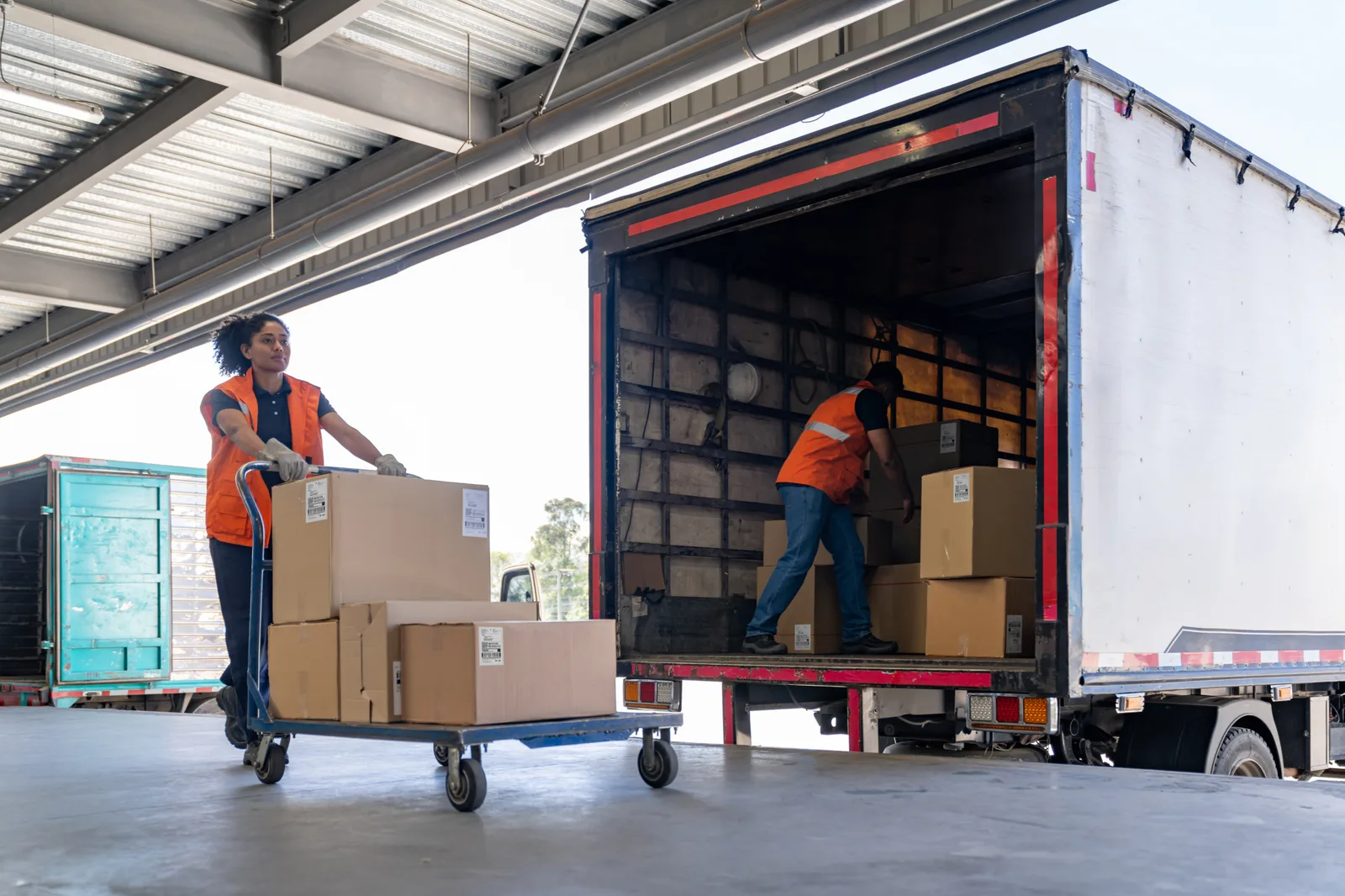
Shippers get all the advice, but half of every freight move belongs to the receiver — and receiving practices decide whether a facility’s inbound freight flows or queues. A dock that receives well turns trucks around quickly, catches shortages and damage while they’re still provable, and becomes the delivery every driver is happy to run. A dock that receives badly generates wait time, missed deliveries, contested claims and re-deliveries, and all of it lands back on the receiver as cost and delay.
The fixes are unglamorous and almost free. Here are the practices that separate smooth receiving operations from chaotic ones.
Why the receiving end sets the pace
A delivery is only complete when freight is off the truck, inspected and signed for — so the receiver controls the last and most failure-prone step of every shipment. When that step stalls, the effects run in both directions. The driver’s day backs up, which delays every shipment behind yours. Wait time accumulates, and detention is a real cost that finds its way into rates. And rushed or skipped inspections surface days later as concealed-damage disputes that a two-minute dock check would have settled on the spot.
Receivers who internalize one idea — the truck at my door is shared infrastructure — tend to fix everything else on this list on their own.
Publish real receiving hours, and honour them
The most common receiving failure is the simplest: freight arrives, and nobody can take it. The fix is a set of receiving hours that are actually true — hours when a person with authority to sign, and the equipment to unload, is genuinely present. Post them, put them on purchase orders, and give them to every carrier and supplier.
Two refinements make hours work harder. First, account for lunch and shift changes — a window that silently closes from noon to one generates failed deliveries on paper hours that were “open.” Second, if your hours differ by freight type — parcels any time, skids mornings only — say so explicitly. A carrier can plan around any true constraint; it’s the undisclosed ones that burn runs.
Appointments or open docks: choose deliberately
Neither model is right everywhere; the mistake is drifting into one by default.
Open receiving — trucks arrive any time within posted hours — suits facilities with steady staffing, spare door capacity and modest volume. It’s flexible and requires no coordination, at the price of occasional pile-ups.
Appointment receiving suits busy docks, limited doors, or freight needing specific equipment or people. It smooths the day and guarantees resources — but only if appointments are honoured on both sides. An appointment system where trucks book a window and then wait an hour is worse than no system, because it adds admin without removing the queue.
A practical middle path for many mid-sized facilities: appointments for skids and multi-pallet loads, open receiving for small freight. If your inbound volume is regular enough, converting it into standing deliveries on scheduled routes removes the coordination overhead entirely — the truck arrives on a rhythm everyone plans around, which is the deepest form of dock scheduling there is. How you set that up with suppliers is covered in our guide to routing inbound freight as the buyer.
Keep the dock physically ready
Scheduling gets the truck to the door; readiness gets the freight off it. The checklist is short:
- Clear staging space inside the door, sized for the day’s expected inbound — freight can’t come off a truck that has nowhere to land.
- Working equipment: pallet jack where it belongs, forklift charged and operated by someone certified, dock plate functional.
- A trained backup for the usual receiver, so lunch and vacation don’t close the dock.
- A safe approach: yard and dock area clear of pallets, banding scrap and parked obstacles.
None of this is capital investment. It’s housekeeping with a direct line to how fast trucks turn.
Write the receiving routine down
Every shipment should be received the same way, by whoever happens to be at the door. The routine worth laminating:
- Count the pieces against the delivery receipt — skids, cartons, bundles, whatever the carrier signed for.
- Inspect what’s visible: crushed corners, torn wrap, leaning loads, punctures.
- Note any exception on the POD, specifically — what, how many, where — before anyone signs.
- Sign with a printed name and the date, then file or scan the paperwork with the order.
Steps three and four are where receiving discipline turns into money: a noted, signed POD is the document that makes shortage and damage claims resolvable. The receiving desk is also where dock-to-dock delivery formally ends — the signature is the handoff.
Write the routine down, post it at the door, and hold everyone to it — including the busiest afternoon of the month. Routines that only run when the dock is quiet aren’t routines; they’re good intentions, and the shipment that skips inspection is reliably the one with the crushed corner.
Give drivers what they need to find you
A surprising share of receiving delay happens before the truck ever reaches the door, in the gap between “arrived at the address” and “backed into the right dock.” Close it with information:
- Signage that answers the first question. Which entrance is shipping/receiving, where trucks check in, where to wait if the doors are full.
- A check-in point that responds. A buzzer nobody answers is worse than no buzzer — drivers can’t leave the vehicle to wander a facility looking for staff.
- Site quirks, disclosed in advance. Height-restricted canopies, tight yard turns, shared laneways, security procedures — anything that would surprise a first-time driver belongs in the delivery instructions, not in the driver’s afternoon.
Facilities that do this well get remembered. Dispatchers know which stops turn trucks quickly, and when a tight day forces sequencing decisions, the easy dock rarely loses.
Extend the same courtesy upstream
Facilities that receive freight usually ship it too, and the same disciplines apply in reverse: freight staged and ready, paperwork prepared, loading equipment available when the truck arrives for pickup. The shipper-side version of this article is our freight-ready checklist, and together the two halves are what “easy to work with” means in freight — a reputation that quietly buys better service from every carrier you use.
Sonic Transport runs scheduled and on-demand freight into receiving operations of every size across the GTA and Southern Ontario — docks, no-dock storefronts, everything between — with a signed POD closing out every run. If your inbound freight deserves a carrier that shows up the way your dock plans for, tell us about your routes and we’ll build around how you receive.
Frequently asked questions
Do small businesses without a dock need receiving practices too?
Yes — arguably more. A no-dock location receiving by tailgate needs a clear ground-level delivery spot, a pallet jack that works, and someone authorized to inspect and sign. Telling the carrier up front that there's no dock is the single most important practice, because it determines which truck can deliver at all.
What should we tell carriers about our receiving setup?
Four things: your real receiving hours, whether you have a dock and forklift or need tailgate delivery, any appointment or check-in requirement, and who to contact on arrival. Put them on the purchase order and the bill of lading so the information travels with the freight instead of living in someone's memory.
Is it better to spread deliveries through the day or bunch them?
For most facilities, spreading is better: staggered arrivals keep dock doors, equipment and staff available, while bunched deliveries create queues and rushed inspections. Where you control the timing — standing orders, scheduled replenishment — setting different windows for different suppliers smooths the whole day.