
The Freight-Ready Checklist: Before the Truck Arrives
A pickup-day checklist for B2B shippers — accurate booking details, secured and labelled freight, paperwork in hand and loading sorted before the truck arrives.
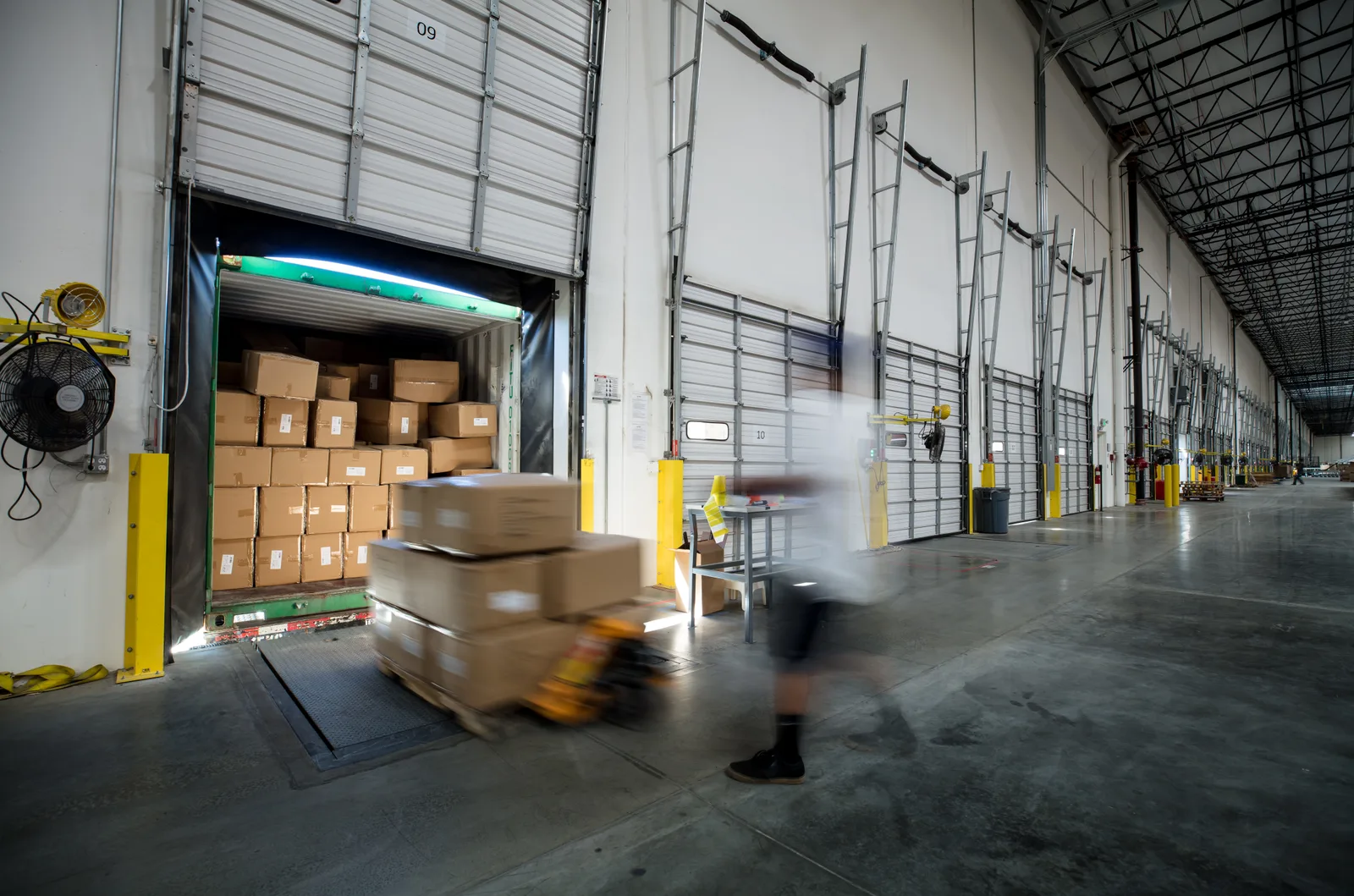
Pickups fail for boring reasons. The skid isn’t wrapped. The paperwork is still printing. Nobody told the carrier there’s no dock. The forklift driver is at lunch. None of these are freight problems — they’re readiness problems, and every one of them is preventable with a checklist that takes minutes to run.
The stakes are higher than a little awkwardness at the dock. A failed pickup on a same-day shipment usually takes the delivery down with it, and a slow pickup delays every stop behind yours — which is why carriers remember which shippers are ready and which aren’t.
Here’s that checklist, organized the way pickup day actually unfolds: what to settle when you book, what to do before the arrival window, and what should happen when the truck pulls in.
When you book: get the facts on the record
Pickup-day trouble is usually booked-in days earlier. Five details, settled at booking time, prevent nearly all of it:
- Accurate dimensions and weight. The vehicle is chosen from your numbers, so measure the freight properly — loaded pallet, extreme points, honest weight — before requesting the quote.
- Loading reality at both ends. Dock? Forklift? Neither? If either end lacks both, say so, and a tailgate-equipped truck gets assigned. This single disclosure prevents the most expensive category of failed pickup.
- Who’s loading. Facilities with equipment usually load their own freight; ground-level pickups work differently — our answer on who loads the truck sorts out the variations. Decide, and tell the carrier.
- Access details. Rear laneway, specific dock door, check-in at security, height-restricted canopy — anything a driver couldn’t guess from the address.
- A contact who’ll answer. A name and number at the pickup location, for the moment something needs a decision.
With those on the record, the pickup itself follows a predictable script — truck arrives, freight loads, driver signs, done.
Before the window: make the freight itself ready
Secured. Cartons stacked inside the pallet footprint, heavy-to-light, and the whole load stretch-wrapped so it’s anchored to the pallet — not just girdled around the boxes. Anything that could shift, banded to the deck. A load that moves as one unit loads fast and travels safe; a loose one does neither.
Labelled. Every piece marked with the destination company, full address and a contact, even though paperwork travels with the driver. Multi-skid orders labelled “1 of 3, 2 of 3…” so a shortage announces itself at a glance. The details are in our answer on how to label skids.
Counted. Physically count the pieces and make sure the count matches the booking and the paperwork. The number the driver signs for at pickup is the number every later question gets measured against.
Staged. Freight positioned at the dock or the loading point — not across the warehouse, not behind the morning’s production, not still on the third floor. Staging is the difference between a five-minute stop and a forty-minute one.
Paperwork: ready before the truck, not during
The bill of lading — or the carrier’s equivalent shipping document — should be complete and printed before the arrival window opens: shipper and consignee details, piece count matching the physical count, accurate description, reference numbers, and any special instructions written down rather than relayed verbally. If the shipment carries packing slips or other documents for the receiver, pouch them on the freight itself. What each document does, and where it rides, is covered in our guide to B2B shipping documentation.
One habit worth building: whoever hands the driver the paperwork should be authorized to answer questions about the freight. “I just work in shipping” is not a great answer when the driver asks whether the fourth skid is coming.
When the truck arrives: the handoff
A ready pickup runs itself, but three things still deserve attention in the moment:
- Load with the plan, not against it. Heavy skids positioned as the driver directs — load placement in the truck is the driver’s call, because vehicle balance and the delivery sequence depend on it.
- Watch the count together. The driver counts what’s loaded; someone from your side should be watching the same count. Agreement at the dock beats reconciliation by email.
- Check the signature. The driver’s signature on your copy of the paperwork is your receipt that the carrier took the freight as described. Keep that copy with the order.
From there the shipment is in motion, and on a same-day direct run the next event is the receiver’s signature at the destination.
No dock? Ground-level pickups have their own readiness
Plenty of B2B pickups happen at locations with no dock and no forklift — storefronts, clinics, workshops, job sites — and the checklist bends accordingly. The freight still needs to be secured, labelled and counted, but staging means something different: a clear, firm, level spot where the truck can position its tailgate and a pallet jack can roll. Clear the path from the freight to that spot — a skid can’t ride a pallet jack up a curb or across gravel.
Two disclosures carry extra weight for ground-level pickups. Tell the carrier there’s no dock when you book, so a tailgate-equipped truck is assigned — a standard truck arriving at a no-dock pickup simply cannot load a skid, and the run is wasted. And flag anything unusually heavy: tailgates are rated equipment, and a skid within the truck’s capacity can still exceed the lift platform’s safe working load.
The checklist, in one place
- Dimensions and weight measured and declared honestly
- Dock, forklift or tailgate requirement disclosed at booking
- Loading responsibility agreed
- Access quirks and site contact on the record
- Load secured to the pallet; nothing able to shift
- Every piece labelled; multi-piece orders numbered
- Physical count matches booking and paperwork
- Freight staged at the loading point before the window
- BOL complete and printed; receiver documents pouched on the freight
- Someone present who can load, answer and sign
Run this list and you become the pickup drivers hope for — which, over time, is worth more than it looks: freight that’s easy to pick up is freight that moves first when a day gets tight. Sonic Transport picks up from facilities of every kind across the GTA and Southern Ontario, dock or no dock, and a real person confirms the details before the truck rolls. When your next shipment is ready to book, request a quote and we’ll take it from the checklist to the signed POD.
Frequently asked questions
What happens if the freight isn't ready when the truck arrives?
The driver can only wait so long before the day's other shipments force a decision: wait time accumulates as a cost, or the pickup has to be re-run. On a same-day shipment, a failed pickup usually means the delivery window is gone too. Staging freight before the arrival window is the whole game.
Does the driver load the freight, or do we?
It depends on the facility and the freight. At a location with a dock or forklift, the shipper's team typically loads; at a location without equipment, a tailgate-equipped truck lets the driver ground-load a skid with a pallet jack. Settle who's loading when you book so the right truck and expectations arrive together.
How long should a pickup take?
It varies with the freight and the facility, but the pattern is consistent: a staged, wrapped, labelled skid at an accessible dock loads in minutes, while freight that's still being packed, unlabelled or buried behind other stock takes far longer. Preparation, not the driver, sets the pace.