
Inbound Freight Routing: A Buyer's Guide to Controlling Deliveries
How buyers take control of inbound freight — routing instructions for suppliers, choosing the carrier, freight terms and receiving that fits your dock.
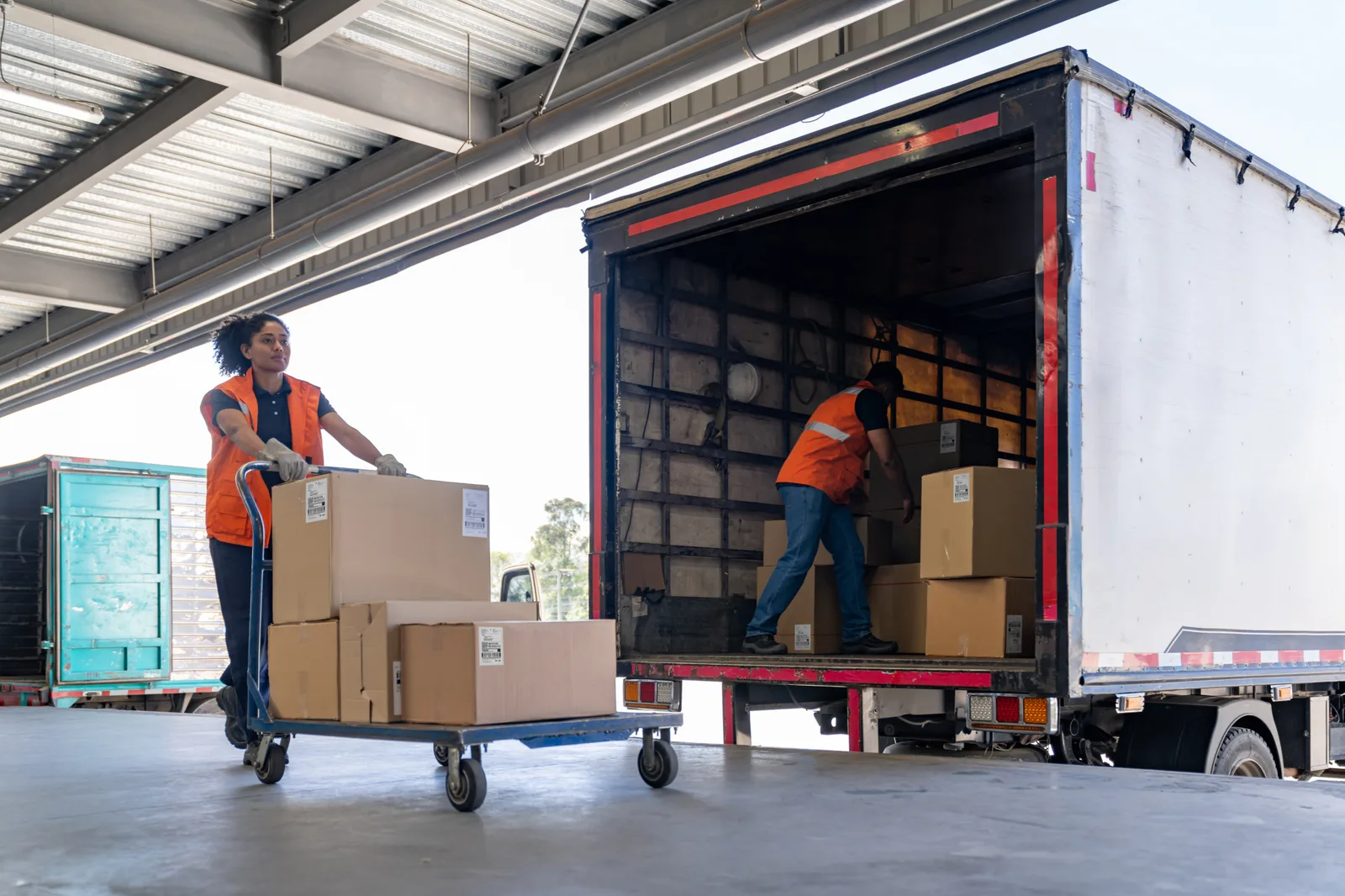
Most businesses manage their outbound freight carefully and let inbound happen to them. Suppliers pick the carrier, delivery timing is whatever it turns out to be, and the freight cost hides somewhere inside the invoice. Inbound routing is the correction: the buyer decides how purchased goods move — which carrier, what service, under what instructions — instead of inheriting each supplier’s defaults. For a business receiving freight weekly, it’s one of the quietest ways to cut cost and chaos at the same time.
Here’s what routing your inbound freight involves, why it’s worth the effort, and how to set it up without turning purchasing into a logistics department.
Why the default is expensive
When every supplier ships their own way, the receiving dock absorbs the consequences:
- Unpredictable arrivals. Five suppliers, five carriers, five delivery patterns — trucks bunching up mid-morning, freight arriving when nobody’s free to receive it.
- Invisible freight cost. “Free” or prepaid shipping is priced into the goods, usually with margin on it. You pay for freight either way; prepaid just removes your ability to see or manage the number.
- Mismatched deliveries. The supplier’s carrier doesn’t know your dock hours, your tailgate needs or your receiving rules, because nobody told them — and the supplier had no reason to.
- No leverage. Freight spread across a dozen incidental carrier relationships is volume nobody is rewarding.
Routing pulls those decisions back to the party with the most at stake in the delivery: you.
The mechanics: freight terms decide who controls the move
Underneath routing sits a commercial question — who pays the carrier and when responsibility transfers — settled by the freight terms on the purchase order. In plain terms:
- Prepaid — the supplier arranges and pays for transport, then recovers it in pricing. Control sits with the supplier.
- Collect — the buyer pays the carrier directly, and typically selects it. Control sits with the buyer.
- Terms of sale (such as FOB origin or destination in North American practice) govern where ownership and risk transfer — worth aligning with your routing so the party bearing transit risk is the one choosing the carrier.
The routing move, in most B2B relationships: buy the goods, take the freight. Goods priced ex-works or FOB origin with your carrier collecting puts the shipment under your instructions from the supplier’s dock onward — and puts the freight cost on your own invoice where it can be seen and checked, which is where freight invoice auditing becomes possible at all.
What routing instructions should say
Routing instructions are a short, standing document — often a paragraph plus a table — sent with every purchase order. The essentials:
- Carrier and booking method — who to tender freight to and exactly how to book the pickup.
- Service level by situation — what ships standard, and what qualifies for expedited handling. Guardrails here prevent the classic failure of suppliers shipping everything rush at your expense.
- Labelling and references — your PO number on every piece and every document, so receiving can match freight to orders without archaeology.
- Packaging expectations — palletized where applicable, anchored and wrapped, piece counts marked.
- Delivery requirements — receiving hours, dock details, appointment rules if you run them.
- Paperwork — what must accompany the shipment and what gets sent ahead. Our answer on what paperwork travels with freight covers the standard set.
Keep it to one page. The full craft of writing instructions suppliers actually follow — tone, format, enforcement — is its own topic, covered in our guide to supplier shipping instructions.
What you gain at the receiving end
The payoff shows up at your dock within weeks:
Predictability. One carrier running your inbound means arrivals you can plan around instead of a lottery. Regular inbound from regular suppliers can consolidate onto scheduled routes — the same pickups on the same days, arriving in a window your receiving team expects. Pair that with sensible booking practices at the dock, and receiving stops being an interruption; our guide to dock scheduling and receiving practices covers that side.
Visibility. When it’s your carrier, the shipment status, the delay, and the proof of delivery come to you — not to a supplier who may or may not forward it. You know what’s arriving before the truck turns into the yard.
A carrier that knows your dock. Your carrier arrives knowing the unit number, the hours, the forklift situation — the supplier’s rotating cast of carriers never will.
Consolidation. Two suppliers in the same region shipping the same week can ride the same truck when one carrier sees both pickups — impossible when each supplier ships separately.
Rolling it out without drama
Routing programs fail from overreach, so start narrow:
- Pick your top handful of suppliers by freight frequency — regional ones first, where a direct carrier relationship changes the most.
- Set the freight terms on the next POs and attach the routing instructions. Purchasing owns this step; it’s a terms change, not a favour.
- Brief your carrier on each supplier’s pickup location and contact so the first collection goes smoothly — the supplier experiences a competent pickup, which builds compliance faster than any memo. What the supplier should expect on the day is exactly how a freight pickup normally works.
- Watch the first cycle — did freight arrive labelled, on the right service, with your PO visible? Correct early misses politely and specifically.
- Expand supplier by supplier as the pattern proves out.
Expect a little supplier inertia and price the change honestly: goods quoted with freight stripped out should cost less than the prepaid price. If the reduction doesn’t appear, that’s a conversation — and a data point about what shipping was really costing you.
For a business in the GTA, Golden Horseshoe or Southern Ontario, Sonic Transport can be the carrier your routing instructions name: regional pickups from your suppliers, scheduled inbound runs, tailgate trucks where docks are missing, and a person who knows your account handling all of it. Tell us about your inbound freight and we’ll help you turn supplier chaos into a schedule.
Frequently asked questions
What does it mean to route inbound freight?
Routing inbound freight means the buyer — not the supplier — decides how purchased goods travel: which carrier, what service level, and what rules the shipment follows. The buyer issues routing instructions with the purchase order, the supplier tenders the freight accordingly, and the buyer gains control over cost, timing and visibility.
Doesn't prepaid shipping from the supplier save me the hassle?
It saves effort and surrenders control. Freight buried in a prepaid price is freight you can't see, audit or optimize, and the supplier's carrier choice serves their convenience, not your dock. Many buyers accept prepaid on small, infrequent orders and route the freight themselves where volume or timing matters.
How do I get suppliers to actually follow routing instructions?
Put the instructions on the purchase order itself, keep them to one page, name the carrier and booking contact explicitly, and follow up on early misses. Suppliers comply with routing that is easy to follow and visibly enforced; instructions that live in an email from last year get forgotten.