
Planning Freight Around GTA Traffic: Timing, Routes and Realism
How GTA traffic really behaves and how to plan freight around it — peak windows, corridor quirks, construction season and honest scheduling buffers.
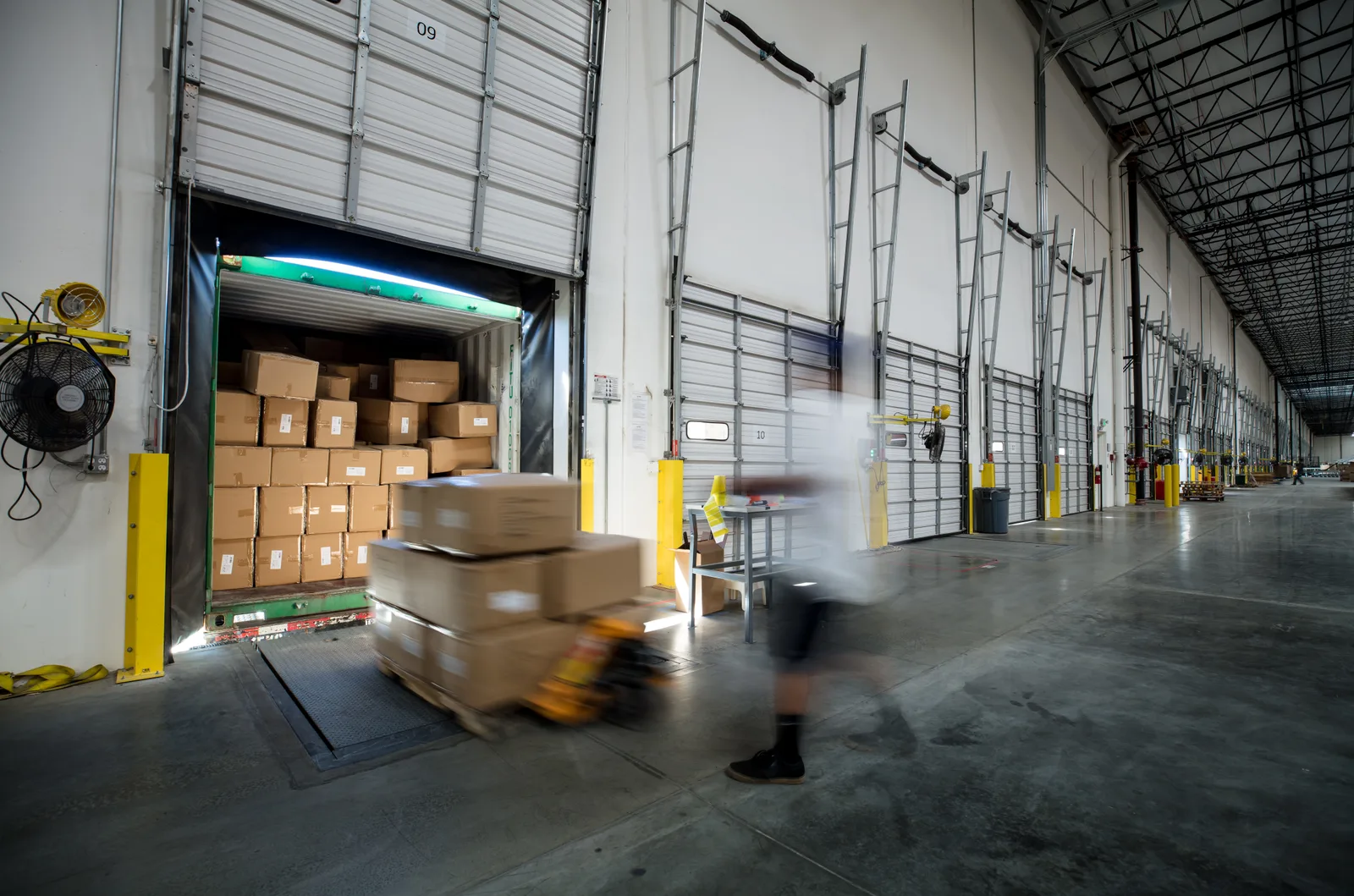
You can’t beat GTA traffic, but you can stop planning freight as if it doesn’t exist. Congestion in and around Toronto follows patterns that are stable enough to plan around: predictable weekday peaks, corridors that fail in predictable ways, and a construction season that reshapes routes every summer. The shippers who handle it best don’t chase promises of precise arrival times — they book with realistic windows, keep pickups ready so no minute of a smooth window is wasted, and work with carriers who dispatch around the patterns instead of into them.
The patterns worth planning around
GTA congestion is not random. The weekday shape is consistent: a morning peak that builds from roughly mid-rush commute hours, a midday period that’s usually the smoothest driving of the day, and an afternoon peak that often starts building by mid-afternoon and lingers into early evening — frequently heavier and longer than the morning’s. Fridays are their own case, with afternoon congestion starting earlier, and summer Fridays adding cottage-country traffic northbound on Highway 400 well before the workday ends. Long weekends amplify the same pattern a day early.
The corridors have personalities too. Highway 401 through Toronto and Mississauga is one of the busiest stretches of highway in North America, and a single incident on it can back up freight movements across the region for hours. The QEW carries heavy commuter and commercial flows between Toronto, Oakville, Burlington, Hamilton and Niagara. The Gardiner and DVP feed the downtown core and are tight, slow and unforgiving at peak. None of this means those routes are avoidable — often they aren’t — but it means a delivery window that assumes free-flow speeds across the 401 at peak was never a real window.
Layer on the seasonal factors: construction season narrows lanes and closes ramps across the region every year from spring through fall, and winter weather adds its own volatility — which we cover separately in our guide to winter freight in Southern Ontario.
Time the shipment, not just the route
Drivers and dispatchers already know the back roads; the leverage a shipper has is timing. Three practical moves:
- Book pickups for the morning, not the afternoon. A shipment picked up at 10 a.m. has the whole midday window to move and room to absorb a delay. The same shipment picked up late afternoon is driving into the peak with no recovery time — same freight, very different risk.
- Use the midday window deliberately. For cross-GTA moves, freight that travels between the peaks simply spends less time sitting. If your receiving hours or your customer’s dock schedule can flex toward midday, flex them.
- Don’t stack deadlines at the day’s edges. A delivery that must land at 5 p.m. across the city is exposed to the worst congestion of the day. Where the business need allows, pull commitments earlier.
None of this requires software — it requires deciding shipment timing on purpose instead of defaulting to “whenever it’s ready.”
Downtown Toronto deliveries deserve their own timing thought. The core adds constraints beyond congestion: loading zones instead of docks in older buildings, freight elevators with booked windows, streets that are difficult for larger trucks at any hour. For core deliveries, the receiving building’s rules — not the highway — often dictate the window, so get those rules from the receiver before booking rather than after the truck is circling the block.
Build buffers like an operator, not an optimist
The honest way to plan GTA freight is with windows and buffers, not point estimates. A few rules of thumb:
- Quote windows downstream. Whatever your carrier tells you, pass a window — not a minute — to your customer. You’re absorbing regional variability, not adding pessimism.
- Protect appointment freight hardest. If the destination runs appointment-only receiving, a missed slot can cost more time than the traffic did. Build the buffer in front of the appointment, and make sure your dock scheduling and receiving practices — and your customer’s — leave room to take a truck that lands early.
- Have freight ready before the window opens. A pickup that waits twenty minutes for a skid to be wrapped has spent its buffer at the dock. Our freight-ready checklist covers what staged-and-ready looks like.
- Decide the escalation in advance. If the run falls behind, who gets called, and what changes? Knowing that before dispatch beats improvising at 4 p.m. with the receiver’s dock about to close.
Why direct routing changes the math
Traffic risk compounds with every stop. A shipment that crosses a terminal, waits for a consolidation, and rides a multi-stop route through the region is exposed to congestion on every leg — and a delay on any leg cascades into the next. A direct courier run carries one exposure: the drive from your dock to the destination. That’s why urgent GTA freight moves on same-day direct service — not because a direct truck is immune to the 401, but because it faces the region’s traffic exactly once, on a route a dispatcher chose with current conditions in mind.
For recurring shipments, the pattern knowledge gets even more useful. A carrier running the same freight lane daily knows which windows work on that specific run — where the construction is this month, which receiver’s dock backs up after lunch — and schedules accordingly. That accumulated lane knowledge is worth more than any traffic app.
What a realistic carrier sounds like
You learn a lot about a GTA carrier from how they talk about traffic. Be cautious with anyone promising precise arrival times across the region at peak — nobody controls an incident on the Gardiner, and a promise that ignores that isn’t confidence, it’s a future apology. What you want to hear instead: realistic windows for the time of day, dispatch decisions that account for current conditions, and a commitment to call you the moment a run falls behind, so the delay is something you manage rather than discover.
Sonic Transport runs the GTA, Golden Horseshoe and Southern Ontario every day, and plans runs the way this post describes — realistic windows, routes and timing chosen by people who drive this region for a living, and updates when anything threatens the plan. If you’ve got freight that needs to move through GTA traffic, tell us about the run and we’ll plan it honestly.
Frequently asked questions
What is the best time of day to ship freight in the GTA?
For most shipments, a mid-morning to early-afternoon window works best: the morning peak has eased, receiving docks are staffed, and there's recovery room before afternoon congestion builds. The right answer still depends on the specific origin, destination and dock hours, which is why it's worth talking through with your carrier.
Does GTA traffic affect freight pricing?
It can, because congestion consumes vehicle time, and time is one of the inputs carriers price. A run that ties up a truck and driver for twice as long costs more to operate. Flexible timing that lets a carrier run your freight in a smoother window is one of the few traffic costs a shipper can actually influence.
Can a carrier promise a delivery time despite traffic?
No carrier operating honestly in the GTA promises to-the-minute arrival times, because no one controls a collision on the 401. What a good carrier does instead is plan realistic windows, dispatch with traffic in mind, and tell you promptly when a run is falling behind so you can adjust on your end.