
Rush Deliveries to Construction Sites: Getting Materials There Today
Moving urgent materials to construction sites in the GTA: site access, tailgate ground delivery without a dock, and keeping the site contact in the loop.
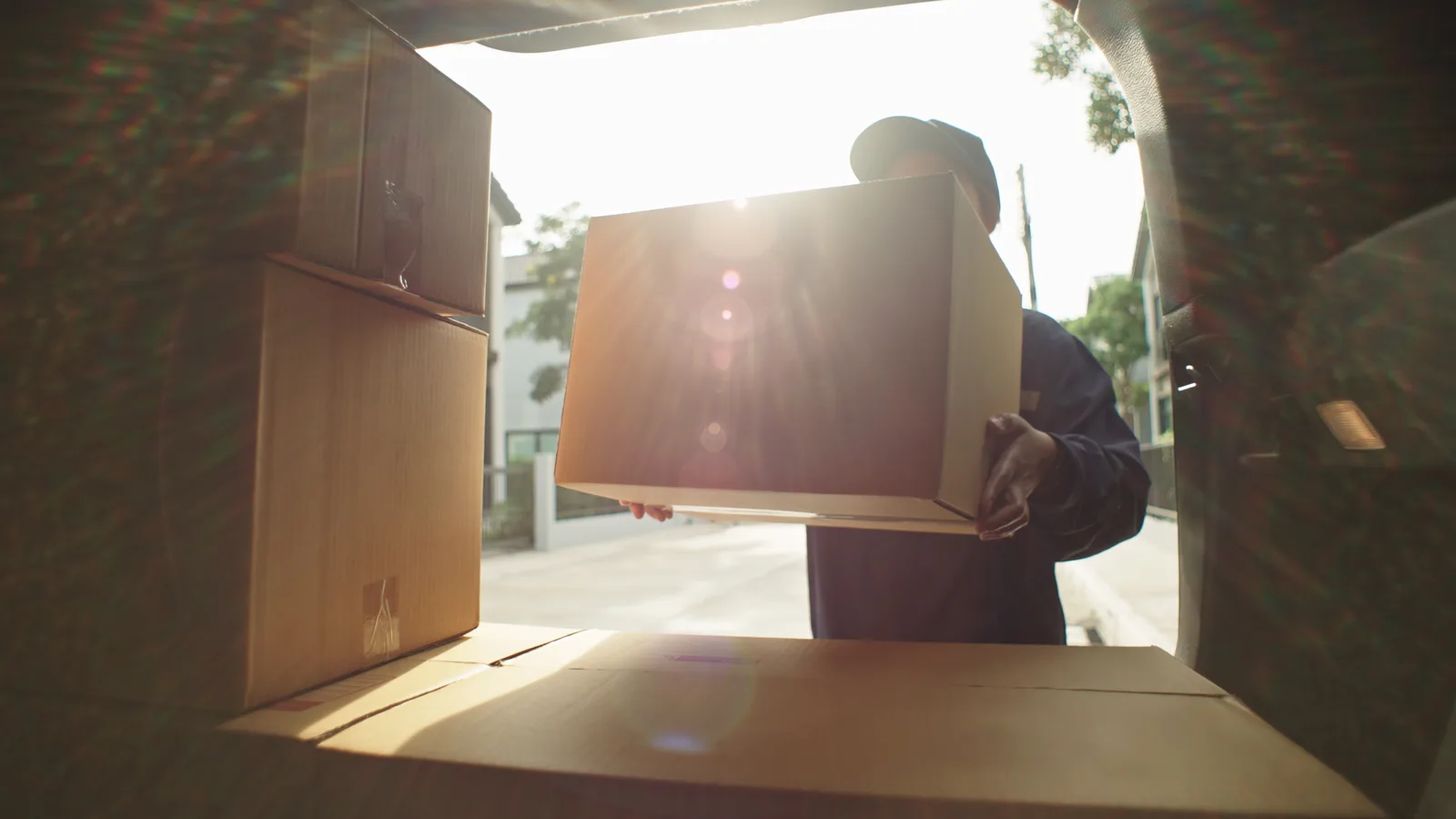
A crew that’s waiting on material is the most expensive thing on a construction site. When the missing item is courier-sized — the anchors that didn’t arrive with the order, the replacement fixture, the valve the mechanical crew needs before they close the wall — the fix is a direct rush run. But construction sites are the hardest delivery environments in commercial freight: no dock, controlled access, addresses that don’t match the gate, and a receiver who’s forty feet up when the truck arrives. Getting material there today is a coordination problem as much as a driving problem. Here’s how to book it so it works the first time.
Why site deliveries fail
It’s almost never the highway. Urgent construction deliveries fail in the last hundred metres, for predictable reasons:
- The driver reaches the civic address, but the site entrance is around the corner on a different street, behind hoarding.
- Nobody at the gate knows a delivery is coming, and the person who ordered it isn’t answerable by phone.
- The material is on a skid, the site has no forklift free, and the truck that arrived has no way to get it to the ground.
- The delivery lands fine — but at the wrong zone of a large site, and the crew that needs it doesn’t know it’s there.
Every one of these is preventable at booking. That’s the theme of this whole guide: the site knows things the carrier can’t guess, and the booking is where that knowledge transfers.
Getting the truck to the work area
Tell the carrier what the approach actually looks like, because “deliver to 400 Main St.” rarely describes a construction site:
- The real entrance. Which gate, off which street, and any signage or lot number the driver should look for. If the site is a tower downtown, say whether there’s a designated loading zone or lane access, and when it’s usable.
- Ground conditions. Mud, rutted access roads and steep temporary grades matter — especially for lower vans. If only certain vehicles can physically reach the laydown area, that decides the vehicle as much as the freight does.
- Overhead and width restrictions. Scaffolding, cranes, temporary hydro and tight hoarding corridors can rule out taller trucks. Mention anything a 26-foot box truck couldn’t get under or through.
- Site rules. If the site requires drivers to check in at the office, wear PPE to leave the vehicle, or wait for an escort, flag it — it changes the time on site, and the driver arrives ready instead of learning at the gate.
Vehicle choice follows from all of this plus the freight itself. A bundle of conduit rides an open pickup bed; boxed fixtures suit a cargo van; palletized material needs a box truck. If you’re unsure what the load calls for, our guide to choosing the right vehicle size for a shipment covers the logic.
Ground delivery when there’s no dock
Construction sites don’t have shipping docks, so anything palletized needs a plan for getting from truck deck to ground. There are two:
- Site equipment unloads the truck. If a telehandler, forklift or crane can meet the vehicle, delivery is fast — but confirm the machine and its operator will actually be available in the delivery window, not just “on site somewhere.”
- The truck grounds it by tailgate. A tailgate (lift-gate) lowers the skid to ground level, where it moves by pallet jack. This must be requested at booking — only some trucks carry the equipment — and it needs firm, level ground at the drop point. Fresh gravel and pallet jacks are not friends. The full mechanics are in our answer on what tailgate delivery is.
Decide where the material should land, too. “On site” can mean a laydown yard, a staging area beside the hoist, or inside a specific zone — the closer the drop to where the crew works, the less double-handling, but the drop point has to be somewhere the truck and pallet jack can actually reach.
The site contact makes or breaks the run
On a rush delivery to a fixed business address, the receiver is behind a counter. On a construction site, the receiver is a moving target — which is why the single most important line on the booking is a name and cell number of someone physically on site during the window.
That person does four things: tells the gate a courier is expected, answers the driver’s call on approach, directs the vehicle to the drop point, and signs. The signature matters more than it seems — on a site with dozens of trades, the proof of delivery is the record of who actually took custody of the material, which settles the “it never showed up” conversation before it starts. If the super changes at midday or the crew moves buildings, update the carrier; a stale contact is the same as no contact.
Time the run around the site’s day
A construction site has a rhythm, and a delivery that ignores it gets stuck in it. Concrete pours, crane picks and hoist bookings monopolize the exact access points a truck needs; trades queue for the same gate at the start of shift; and on some sites the laydown area is only reachable when other equipment isn’t working over it. If the material is urgent, ask the site contact one more question at booking: is there a window today when the truck can actually get in and get unloaded? Racing a vehicle to a gate that’s blocked by a pump truck until three o’clock isn’t speed — it’s waiting with extra steps. A dispatcher who knows the window can sequence the run against it, which is the difference between a priority delivery and a priority arrival.
Booking it right the first time
Compressed timelines punish sloppy bookings. The checklist, condensed: exact freight dimensions and weight, the real entrance, ground conditions, how the load gets to the ground, where it lands, and who answers the phone. Most failed urgent deliveries trace back to one of a handful of avoidable errors — the same ones we catalogue in seven rush-freight mistakes that cost you the deadline — and construction sites amplify all of them.
When the crew is waiting
Sonic Transport runs priority rush freight to job sites across the GTA, Golden Horseshoe and Southern Ontario — direct exclusive runs, tailgate-equipped box trucks up to 10,000 lbs, pickups and vans for smaller loads, and a dispatcher who’ll ask the site-access questions before the truck rolls. If material is holding up a crew, tell us what’s shipping and where the site is and we’ll get it moving.
Frequently asked questions
Can a courier deliver a skid to a construction site with no dock or forklift?
Yes, with the right equipment booked in advance. A tailgate (lift-gate) truck lowers the skid to ground level, where it moves by pallet jack — provided the ground is firm and reasonably level. If the site has a telehandler or forklift that can unload the truck instead, say so at booking.
Who should the driver contact when arriving at a construction site?
A named person with a cell phone who is physically on site during the delivery window — typically the site super or the foreman expecting the material. Gates, hoarding and site offices make construction addresses hard to act on alone, so the run should be booked with that name and number attached.
What construction materials move by rush courier?
Anything that fits a van or straight truck and is holding up work: fasteners and anchors, replacement fixtures, mechanical and electrical components, tools and equipment, sealants, or the one missing item from a larger order. Loads beyond a straight truck's capacity move on semis instead.