
Which Vehicle Does Your Shipment Need? From Minivan to Box Truck
How to match freight to the right vehicle — minivans, pickups, Sprinter vans and 26-foot box trucks — based on size, weight, loading and what's being shipped.
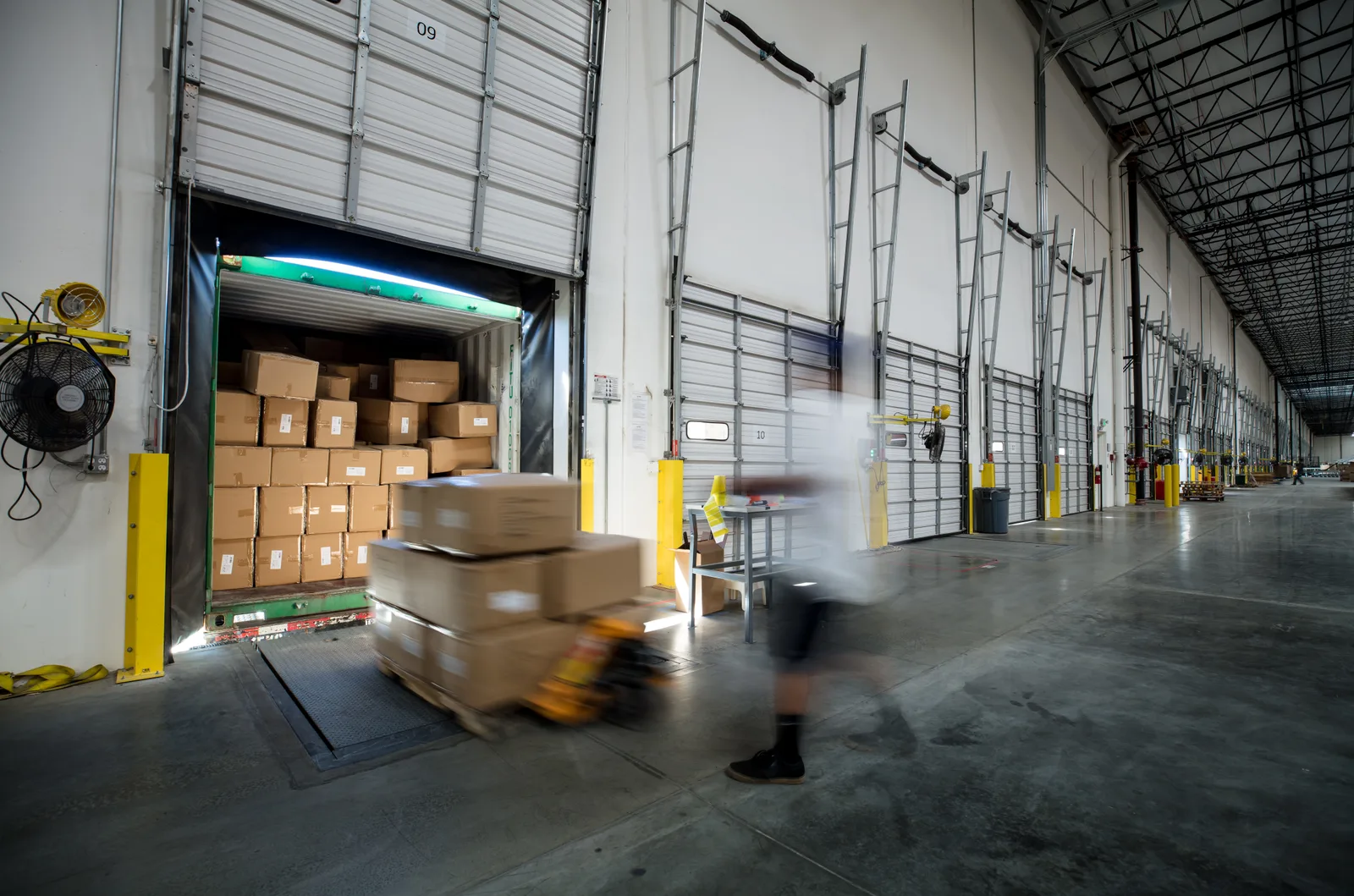
Match the vehicle to the freight, and shipping gets cheaper and smoother at the same time. A single carton doesn’t need a box truck; a heavy skid can’t go in a minivan; long structural stock wants an open bed, not a closed van. The wrong vehicle in either direction costs you — too small and the freight doesn’t move, too big and you’re paying for empty floor.
This guide walks through the vehicle tiers a regional B2B courier actually runs, what each one is genuinely good at, and the handful of details that decide which truck shows up at your dock.
The quick-reference version
| Vehicle | Best suited to | Watch for |
|---|---|---|
| Minivan | Small shipments, cartons, parts — moved fast through city traffic | No skids, limited cube |
| Pickup truck | Long stock, open-bed loads, items that need tie-downs | Weather exposure — not for anything that can’t ride open |
| High-roof cargo van / Sprinter | Bulk cartons, light skids, multi-stop route work | Loading equipment needed for palletized freight |
| 26-foot box truck | Skids and pallets, heavy freight up to 10,000 lbs | The workhorse — tailgate standard |
| Semi (via partners) | Loads beyond 10,000 lbs, full truckloads | Arranged through transportation partners |
The rest of this guide explains when each tier earns its place.
Minivans: small freight, city speed
A minivan is the right call more often than people expect. Sealed cartons, machine parts, printed materials, sample runs, small equipment — anything that fits through a hatch and doesn’t need a pallet moves fastest in the smallest vehicle. Minivans thread urban traffic, park where trucks can’t, and keep small-shipment costs proportionate to the freight.
The limits are obvious but worth stating: no skids, and cube runs out quickly. If the shipment is “a few boxes,” a minivan on a direct run is often the most efficient way to move B2B freight across a city.
Pickup trucks: the open bed earns its keep
Some freight is shaped wrong for a closed vehicle. Lengths of pipe, extrusions, lumber, conduit, steel stock, ladders, some machinery components — long, rigid items load naturally onto an open bed, secured with tie-downs. That’s the pickup’s territory: freight that’s more awkward than heavy.
The trade-off is exposure. An open bed means weather and road spray, so anything that can’t ride open — finished goods, electronics, anything in plain cardboard — belongs in an enclosed vehicle instead. Flag material type when you book so tarping or an enclosed alternative can be sorted before pickup, not at the tailgate.
High-roof cargo vans and Sprinters: the volume tier
Between “a few cartons” and “a skid too heavy to lift” sits a large share of real-world B2B freight, and this is where high-roof cargo vans and Sprinters live. Standing-height cargo space swallows bulk carton loads, and light skids can ride when there’s a forklift or dock to load them. The same attributes — good cube, car-like speed, easy access — make Sprinters the standard vehicle for scheduled, multi-stop route work.
Our answer page on what a Sprinter van courier is goes deeper on this tier. The practical question that decides between a van and a box truck is usually loading: a van has no tailgate, so palletized freight needs equipment at both ends.
26-foot box trucks: where skids belong
The straight truck is the backbone of regional freight, and for good reason: it’s the smallest vehicle that handles palletized weight properly. Our 26-foot box trucks carry up to 10,000 lbs, and every one carries a tailgate (lift-gate) as standard equipment — which means skids can be delivered to ground level at locations with no dock and no forklift, at either end of the run.
That tailgate detail matters more than the box size. Plenty of GTA businesses receive palletized freight without receiving infrastructure — storefronts, clinics, shops, job sites — and a box truck with a tailgate is what makes those deliveries possible at all. For the terminology and the differences between truck styles, see what a straight truck is and our comparison of cube vans versus box trucks.
Beyond 10,000 lbs: the semi, through partners
Straight trucks have a ceiling. Past roughly 10,000 lbs of freight, or when a shipment is a full truckload, the job belongs to a semi — and rather than turning that freight away, we arrange it through transportation partners. Same coordination, one point of contact: you deal with the person who knows your account, and the right equipment shows up regardless of whose yard it parks in.
The details that change the vehicle
Two shipments with identical weights can need different vehicles. Before booking, know these four things:
- True dimensions and weight. The vehicle decision runs on real numbers — our guide to measuring freight properly shows how to get them.
- Loading at both ends. Dock, forklift, or neither? “Neither” at either end means a tailgate-equipped truck, full stop.
- What the freight is. Weather-sensitive freight rules out an open bed; fragile equipment wants enclosed transport and minimal handling regardless of size.
- Access at the destination. Low canopies, tight laneways, underground loading and downtown docks can rule out larger vehicles even when the freight would fit one.
Give a dispatcher those four facts and the vehicle chooses itself. Three quick examples of how the logic plays out:
- Six cartons of machined parts, downtown Toronto to Mississauga, needed today. Minivan. Fast in traffic, no loading equipment needed at either end, cost proportionate to the freight.
- A 1,400-lb skid of fittings to a storefront with no dock. Box truck with tailgate — non-negotiable. The van that could technically carry the weight has no way to ground the skid at delivery.
- Twenty-foot lengths of extrusion to a fabricator. Pickup with tie-downs. The freight is light; it’s the shape that picks the vehicle.
Let the freight pick the truck
The point of a mixed fleet — minivans to box trucks under one roof — is that you never have to force freight into whatever vehicle a carrier happens to run. Describe the shipment accurately and the right tier does the work at the right cost: minivan speed for small freight, open-bed flexibility for long stock, van cube for cartons and routes, box-truck muscle and a tailgate for skids, and a partner semi when the load outgrows everything else.
That’s how we run it at Sonic Transport. Tell us what’s shipping — dimensions, weight, loading and where it’s headed — through a quick quote request, and a person who knows the fleet will put the right vehicle on it.
Frequently asked questions
Can a skid travel in a cargo van?
A light skid can, when there's equipment to load it — a forklift at a dock can place a skid into a high-roof van, and some route work moves light palletized freight this way. Heavier skids, multi-skid orders, or deliveries to locations without loading equipment belong on a box truck with a tailgate.
What's the biggest vehicle before freight moves by semi?
The straight truck — in our fleet, 26-foot box trucks that carry up to 10,000 lbs. Beyond that weight, or for full truckloads, freight moves by semi, which we arrange through transportation partners while staying your single point of contact.
Does asking for a bigger truck 'just in case' cost more?
Vehicle size is one of the factors in a freight rate, so habitually booking bigger than the freight needs means paying for capacity you don't use. The better insurance is accurate dimensions and weight — declare those correctly and the carrier assigns the right vehicle, with no 'just in case' required.