
A Vehicle and Driver by the Day: Use Cases That Make Sense
When booking a truck and driver for the day beats per-shipment freight: install days, multi-site rollouts, delivery blitzes, and how to plan the day well.
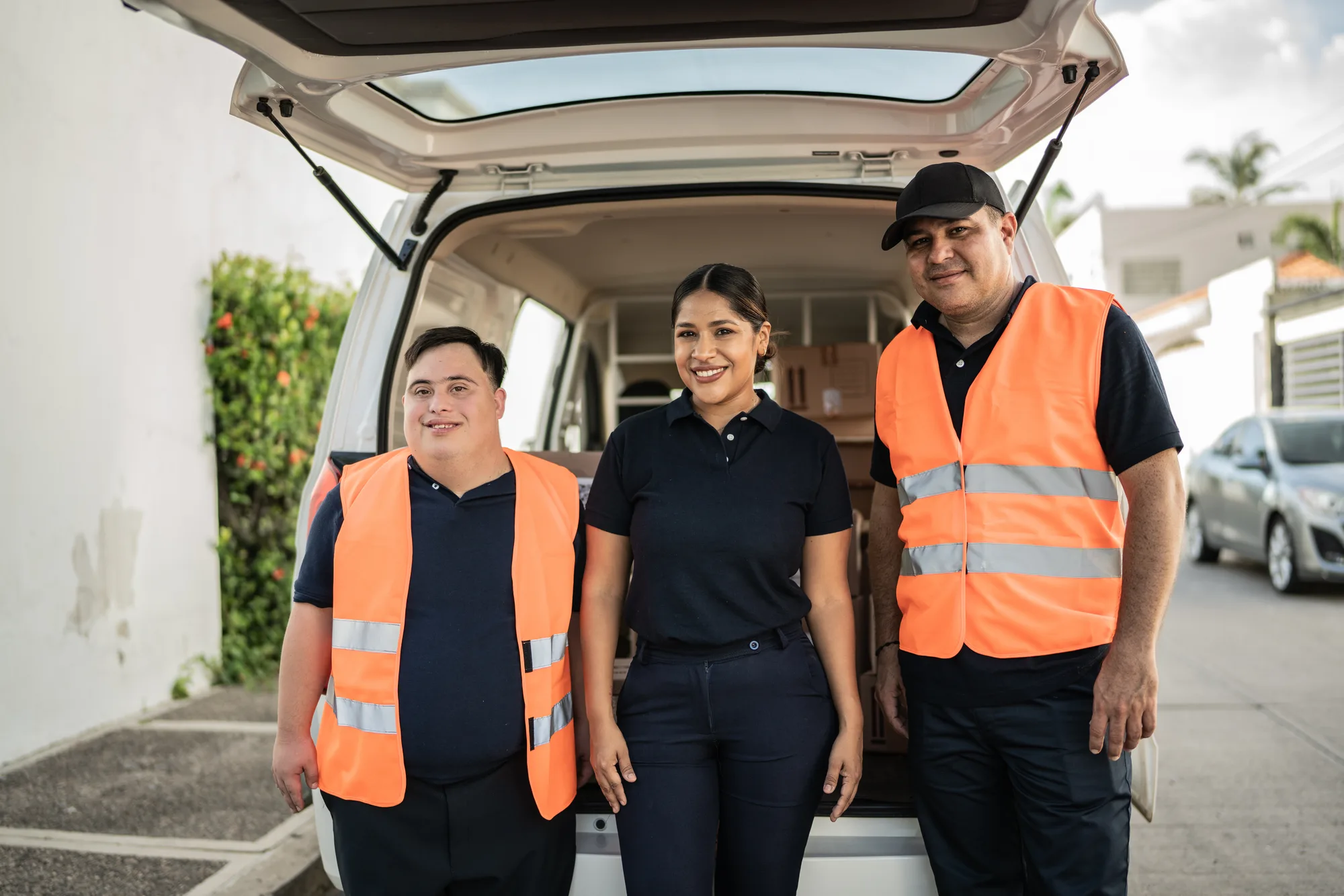
Some freight days don’t break down into shipments. An installer shuttling equipment between a supplier and a job site, a retailer pushing the same fixtures to a dozen stores, a distributor clearing a backlog before month-end — pricing that work delivery by delivery misses its actual shape. Booking a vehicle and driver by the day fits it exactly: one truck, committed to you for the block, running a plan you direct and can change as the day unfolds.
A day booking is the day-length form of dedicated vehicle service — the whole-vehicle model where nothing else shares the truck and the sequence of work is yours to set. Here are the use cases where it consistently makes sense, and how to plan a day that gets full value from it.
Install days
Installation work generates freight all day long, on a schedule nobody can fully predict at booking time. Fixtures arrive in stages, a missing bracket needs collecting from the supplier, packaging has to leave site, and the next phase’s material has to land exactly when the crew is ready for it — not two hours before, when there’s nowhere to stage it.
A per-shipment model fights this rhythm; every change becomes a new booking. A day vehicle absorbs it. The truck stages deliveries to match the crew’s pace, runs the mid-day supplier pickup that nobody saw coming, and hauls away what the install displaces. The driver handles the freight and the driving; the crew keeps installing instead of playing courier with their own vans.
One booking note for install work: job sites and storefronts rarely have docks. Flag that up front so the day’s truck carries a tailgate — our answer page on tailgate delivery explains why that equipment has to be on the vehicle from the start.
Multi-site rollouts
A rollout is the same delivery repeated across many locations — new signage to every branch, a POS refresh across a retail chain, seasonal displays to every store in the region. The freight is uniform; the challenge is the sequence. Each site has its own receiving hours, its own contact, its own quirks about where things land.
A day booking turns the rollout into one coordinated route instead of a stack of independent shipments. You set the stop order around store hours and site constraints, the vehicle loads in reverse order so the right kit comes off first at each stop, and each site signs its own proof of delivery — leaving you a per-location record that the rollout actually rolled out. When the site list outgrows one vehicle, the same plan splits across two, each running its own territory.
Delivery blitzes
A blitz is a backlog with a deadline: receiving delays bunched a week of customer deliveries into two days, a promotion landed harder than forecast, month-end commitments stacked up. Your own capacity — whether that’s one van or a full fleet — can’t clear it in time.
A day vehicle is the pressure-relief valve. Hand it a slice of the delivery list, brief the stops, and let it run in parallel with your own operation. The briefing discipline matters double during a blitz, because the stops handed to an outside vehicle are usually the ones your own drivers know best and your documentation covers worst — pull the site notes out of your drivers’ heads and onto paper before the truck arrives, and the hour that takes is repaid before lunch. For fleet operators this overlaps with the broader overflow question — when outside capacity should supplement your trucks, and how to set that up before the crunch — which we cover in what to do when your own trucks are full.
Planning a day that uses the vehicle well
A day booking rewards planning more than any other service, because you’ve bought the vehicle’s time whether the plan fills it or not. The difference between a tight day and a loose one is entirely in the preparation:
- Write the stop list, even if it will change. A planned sequence that gets revised beats improvising every leg.
- Load in reverse of the delivery order. Last stop loads first. This is decided at the dock in the morning, not on the road.
- Match the sequence to receiving hours. A stop that can only receive before noon anchors the morning; build around the constraints.
- Put site intelligence in the driver’s hands. Contacts, dock or tailgate, where freight lands, who signs — per stop, in writing.
- Name the decision-maker. One person on your side adds, drops and resequences stops. Two voices directing one driver wastes the day.
- Tell the whole truth at booking. The awkward piece, the stop that might involve waiting, the possible second pickup — the plan can flex, but the vehicle and the time block have to be right from the start.
Picking the vehicle for the day
The vehicle sets the ceiling on what the day can absorb, so choose it against the heaviest and most awkward freight the day might involve — not the average stop. A high-roof Sprinter runs carton routes and light skids economically; a 26-foot box truck takes palletized freight up to 10,000 lbs with a tailgate standard for dockless stops; a pickup suits long stock that wants an open bed. Our guide to choosing the right vehicle size for a shipment covers the trade-offs, and the dedicated vehicle service guide explains how vehicle choice fits into the wider booking.
When one vehicle genuinely can’t cover the plan — too much ground, or carton work and heavy skids in the same day — two smaller commitments often beat one compromised one.
What you should have at the end of the day
A day booking should end with a record, not an impression. Concretely: a POD for every completed stop, a note on anything that couldn’t be completed and why — closed receiver, site not ready, freight refused — and enough timing detail to see how the plan actually ran.
That paper trail does two jobs. It closes out today: your deliveries are documented, and exceptions surface while they can still be fixed tomorrow morning rather than discovered at month-end. And it sharpens the next booking: the stop that always takes longer than planned, the site that can’t receive before mid-morning, the sequence that fought traffic — all of it feeds the next day plan. Operations that book day vehicles regularly get noticeably better at it, because each day’s record makes the next day’s plan more honest.
Sonic Transport runs day bookings across the GTA, Golden Horseshoe and Southern Ontario, minivans through 26-foot box trucks, with a person who knows your account handling the arrangements. If you’ve got an install, a rollout or a backlog that needs a truck for the day, tell us what the day looks like and we’ll match the vehicle to it.
Frequently asked questions
How long is a day booking?
There's no universal standard — the working block is agreed when you book, based on what the day's plan involves. Describe the full scope honestly, including anything that might run long, so the commitment matches the work rather than getting renegotiated mid-afternoon.
Can the plan change during the day?
Yes — that flexibility is much of what a day booking buys. Because the vehicle answers only to you, stops can be added, dropped or resequenced as the day unfolds. Name one person on your side who directs those changes, so the driver gets one set of instructions.
How is a day booking priced?
By the factors that shape any dedicated commitment: the vehicle size, the length of the working block, the ground the day covers, and equipment needs like a tailgate. There's no flat rate because no two day plans look alike — carriers quote against the actual plan.