
Trade Show Logistics in Toronto: Booths, Crates and Move-In Day
How trade show freight works in Toronto — venue move-in windows, marshalling yards, advance warehouses, and getting booths and crates to the show floor on time.
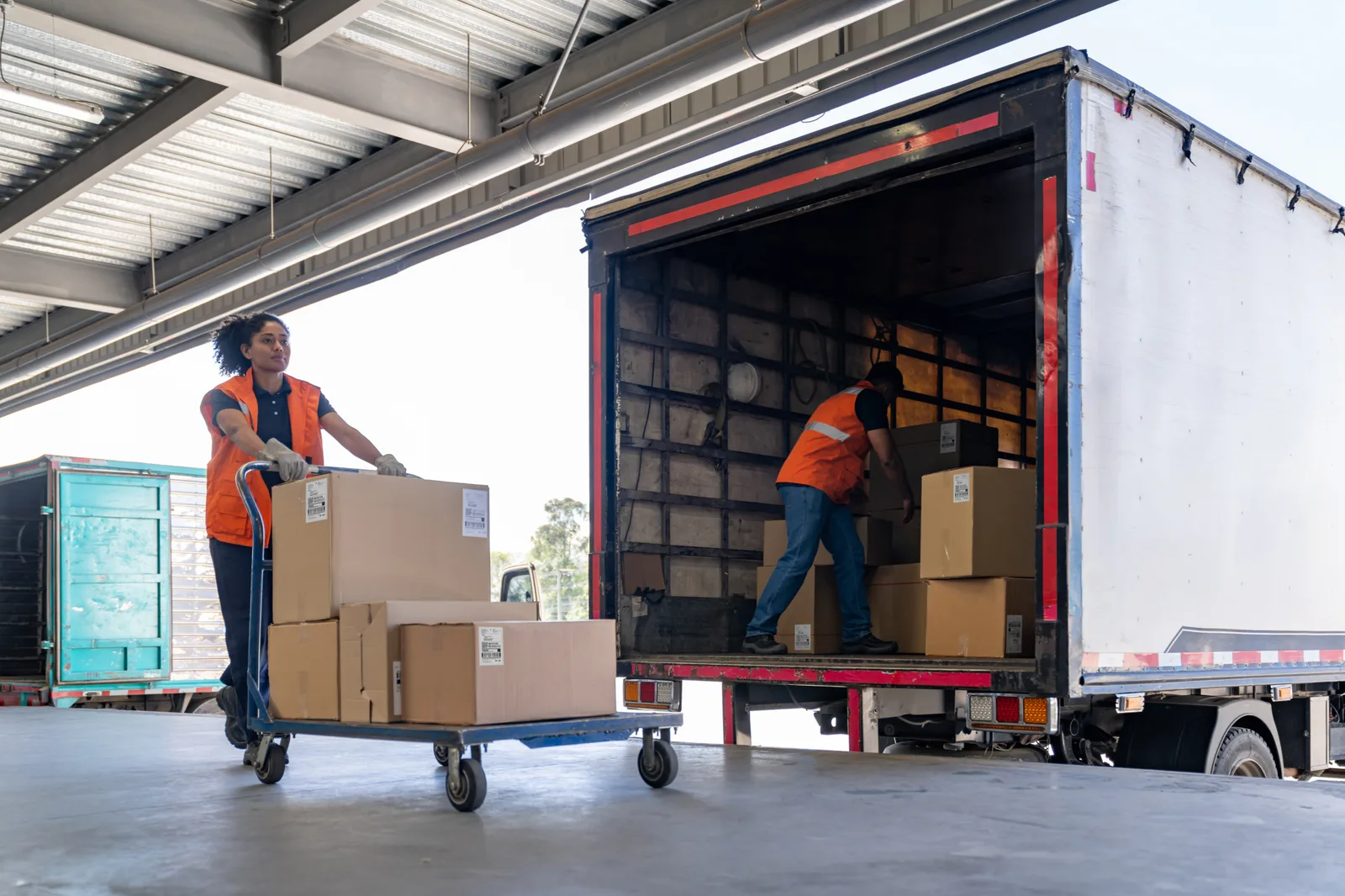
Trade show freight is ordinary freight operating under extraordinary time pressure. The booth, the crates, the product and the graphics all have to arrive inside a move-in window the show sets and the venue enforces — and everything has to leave again inside an even tighter move-out window a few days later. In Toronto, where the major venues run busy calendars, understanding how move-in day actually works is the difference between a booth that’s built on time and a team standing on an empty patch of carpet.
Toronto’s show venues, and why the venue shapes the plan
The GTA’s trade show calendar runs mainly through four facilities: the Metro Toronto Convention Centre downtown, the Enercare Centre and Beanfield Centre at Exhibition Place, the Toronto Congress Centre near Pearson, and The International Centre in Mississauga. Each has its own dock layout, traffic pattern and freight rules, and the show organizer layers its own schedule on top — which is why the exhibitor kit for a show at one venue doesn’t transfer to a show at another.
The practical takeaway: the exhibitor manual for your show is the controlling document. It sets the move-in window, names the material handling contractor, and tells your carrier where to check in. Book freight only after those details are in hand.
Marshalling yards and dock windows: how trucks actually get in
At larger shows, trucks don’t drive straight to the dock — they check in at a marshalling yard and wait to be called. The show controls dock traffic by releasing vehicles from the yard as space opens, which keeps the docks moving but means your carrier’s day includes queue time that nobody can precisely predict.
This is where a dedicated truck and driver earns its place in exhibit freight. On a dedicated run, the vehicle is committed to your job for the day: it can arrive early, sit in the marshalling queue as long as the queue takes, deliver to the dock when called, and stay available while crates are unloaded. A shared-load carrier with other deliveries on the schedule can’t absorb an open-ended wait; a dedicated one is built for exactly that.
Advance warehouse or direct to show
Show freight arrives one of two ways, and the choice is a real decision rather than a default.
Advance warehouse. The show’s contractor accepts freight ahead of time at an off-site warehouse and moves it to your booth before you arrive. It de-risks move-in day, but it adds handling, a receiving deadline, and time your crates spend outside your control.
Direct to show. Your carrier delivers during your assigned move-in window, and the freight goes from your truck to the floor. Fewer touches, later cut-off, and for GTA-based exhibitors it’s usually the natural choice — the exhibit house or office is close enough that a same-day direct run to the venue is routine. The trade-off is that everything rides on your carrier hitting the window, which is why local exhibitors put a premium on carriers who know the venues. Our answer page on how trade show exhibits ship compares the two paths in more detail.
What the freight itself needs
Exhibit properties are a mixed load with mixed vulnerabilities. Booth structures travel in road cases and crates and handle transit well. Graphics and panels are the fragile layer — finished faces that scuff and crack, which should be packed by the rules covered in our guide to shipping signage and displays. Product, literature and giveaways palletize as ordinary skid freight. Monitors and AV equipment ride best in padded cases, upright and strapped; the handling logic mirrors how AV companies move gear.
Two packing rules carry most of the weight. First, crate and case everything you can — the show floor at move-in is forklifts, pallet jacks and hurry, and loose freight loses. Second, label every piece with the show name, your company name and your booth number, because on a floor with hundreds of exhibitors, an unlabelled crate is a lost crate.
Move-out is the harder half
Everyone plans move-in; move-out is where plans go missing. When the show closes, every exhibitor wants off the floor at once, empty crates come back from storage on the contractor’s schedule, and the venue needs the hall cleared for the next event. The outbound truck has to be booked before the show ends, the driver needs to know the check-in procedure, and someone from your team has to stay until the freight is actually loaded — unclaimed freight left on the floor gets forced onto the show carrier at the contractor’s terms.
A dedicated vehicle helps here for the same reason it helps at move-in: it waits for your freight, however long the teardown queue takes, and it’s carrying nothing but your job.
Lining up show freight
Sonic Transport runs exhibit freight to and from the GTA’s show venues as strictly B2B work — dedicated trucks for move-in and move-out days, direct runs from exhibit houses, shops and offices across the GTA, Golden Horseshoe and Southern Ontario, with a real person coordinating against your show schedule and proof of delivery on every leg. If you have a show on the calendar, tell us the venue, the window and what’s shipping and we’ll build the run around your exhibitor manual.
Frequently asked questions
What is a marshalling yard at a trade show?
A marshalling yard is a staging area where trucks check in before being called to the venue's docks. Instead of trucks queuing on city streets, the show directs vehicles from the yard to a dock as space opens up. Drivers need the right paperwork at check-in, and the wait between check-in and dock time can be significant on busy move-in days.
Should exhibit freight go to the advance warehouse or direct to show?
The advance warehouse accepts freight in the days or weeks before the show and delivers it to your booth for move-in, which removes move-in-day risk but adds handling and warehouse deadlines. Direct-to-show means your truck arrives during your assigned window and the freight goes straight to the floor. Direct suits local exhibitors with a reliable carrier; advance suits freight arriving from far away.
What happens if freight misses the move-in window?
It depends on the show, but nothing good: late freight may wait for a later dock slot, incur charges from the show's material handling contractor, or in the worst case leave the booth unbuilt when the floor opens. Missing the outbound window at move-out is just as costly, since venues clear the floor on a hard schedule. Building buffer into the plan is cheaper than any of those outcomes.