
Shipping for Plastics and Injection Molding: Molds, Resin and Finished Runs
The three freight profiles of a molding operation — dense molds, palletized resin and high-cube finished runs — and how each one ships in Southern Ontario.
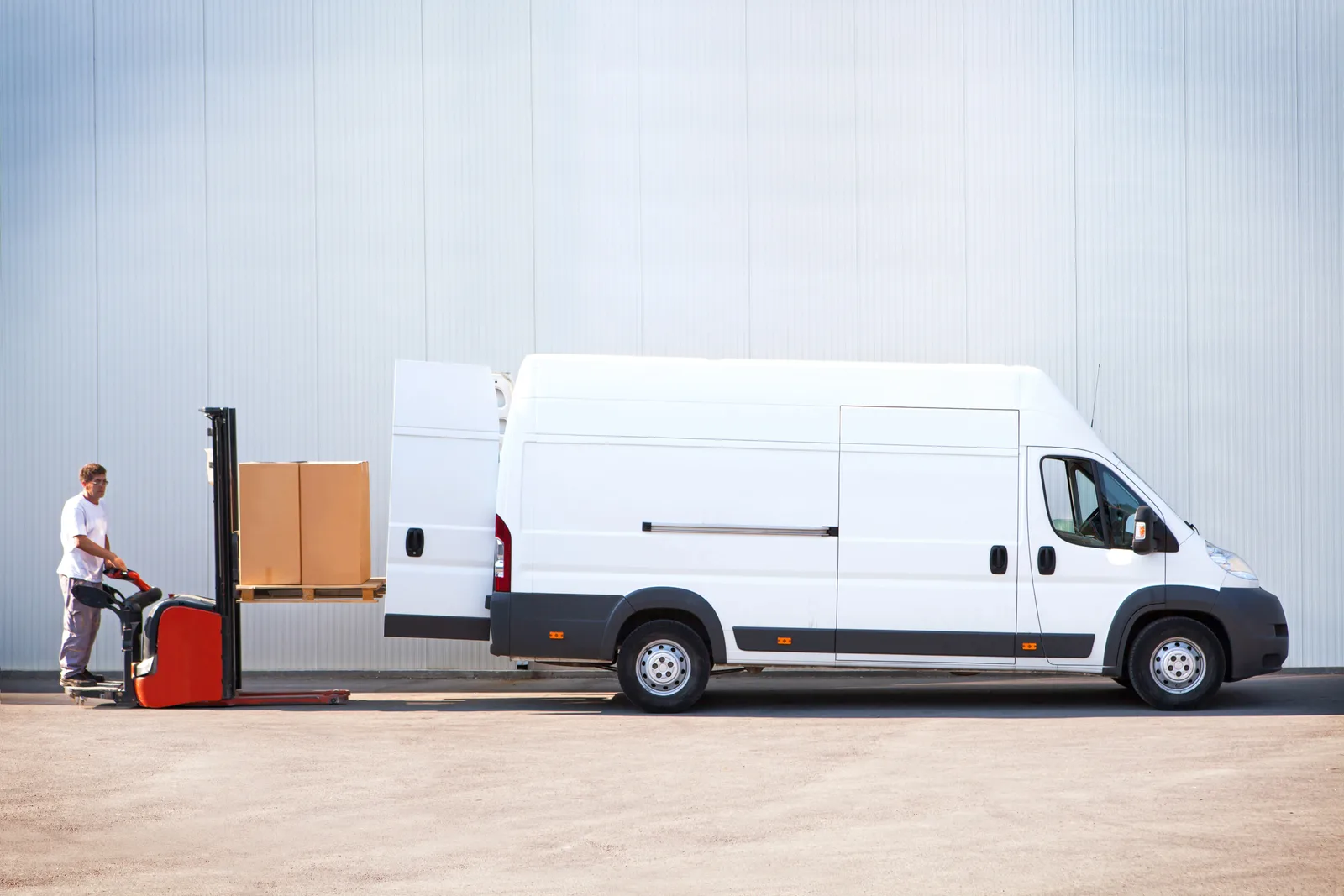
An injection molding operation ships three completely different kinds of freight, often in the same week: molds that concentrate enormous weight into a small footprint, packaged resin that arrives by the skid, and finished runs that fill a truck with light cartons. Treating all three as generic “pallets” is how molds get damaged, resin bags get punctured and finished-goods deliveries get quoted on the wrong vehicle. Each profile has its own rules, and this guide covers them one at a time.
Three freight profiles, one operation
| Freight | Physical profile | What decides success |
|---|---|---|
| Molds and tooling | Extremely dense, small footprint | Rated skid, restraint, honest weight |
| Packaged resin | Heavy but standard palletized freight | Intact packaging, dry transit |
| Finished runs | Light, high-cube cartons | Vehicle space, carton integrity |
Because all three profiles ride on skids more often than not, they sit squarely inside skid and pallet freight — but the skid is where the similarity ends.
Molds: the highest-stakes freight in the building
A mold is usually the most valuable object a molder ships, and the least forgiving. It’s machined steel or aluminum, often with exposed waterline fittings, wired hot-runner controllers and precision faces that a single impact can put out of service.
The handling rules follow from that:
- Ship closed and secured. The mold should travel clamped or bolted shut, with any straps bearing on the mold base — never on fittings, cylinders or wiring.
- Bolt it to a rated skid. Through-bolt or lag the base to hardwood, block it with dunnage, and keep the centre of gravity low. Wrap keeps weather out; it restrains nothing.
- Declare the true weight. Density is deceptive, and an under-declared mold is how the wrong vehicle — or an overloaded tailgate — ends up at your dock.
- Plan the return leg when you book the outbound. Molds mostly move on the repair-and-modification loop to toolmakers, and the return usually gates a scheduled production run.
The full checklist lives in our answer on the best way to ship injection molds. If your operation also runs an in-house tool room, the same discipline applies to fixtures and dies — covered in our machine shop freight guide.
Resin: ordinary freight with one unforgiving rule
Packaged resin — 25 kg bags stacked on skids, or bulk boxes (gaylords) holding several hundred kilograms each — ships as standard palletized dry freight. No special equipment, no special vehicle. The one unforgiving rule is that the packaging must arrive intact, because resin that gets wet or contaminated causes molding defects long after the delivery is signed for.
In practice that means:
- Refuse damage at origin. A torn bag or a crushed gaylord corner should be sorted at the supplier’s dock, not discovered at the press.
- Keep the load wrapped and covered. Enclosed vehicles, intact stretch wrap, and no re-stacking in transit.
- Note exceptions on the POD. If a bag arrives torn, the note on the proof of delivery at signing is what makes the claim clean.
Resin replenishment also tends to repeat — the same supplier, the same lane, weekly or better. Repeat lanes are cheaper and smoother on a standing schedule than as one-off bookings, a pattern that applies to inbound materials across manufacturing, as we cover in what Ontario manufacturers need from a shipping partner.
Finished runs: the cube problem
Finished molded parts invert the mold problem: almost no weight, enormous volume. A run of totes, bins, housings or closures fills a vehicle’s space long before it approaches any weight limit — the load “cubes out.”
That changes what you’re actually buying from a carrier. The constraint is cubic space, so the right vehicle is the one with the most usable volume for the money: high-roof cargo vans and Sprinters for smaller runs, 26-foot box trucks for full production releases. Two habits keep finished-goods freight clean:
- Stack to carton strength, not to truck height. Light parts in light cartons crush under their own stack; keep columns aligned and respect the carton’s rating.
- Unitize on skids where the receiver can take them. Skidded cartons load and unload in minutes; loose-loaded cartons take an hour and invite damage. Confirm the receiver’s dock and forklift situation when booking.
Timing: two speeds, clearly separated
Molding freight runs at two distinct speeds. Production flows — resin in, finished goods out — are predictable and belong on scheduled or next-day service, where sharing capacity keeps the rate proportionate. Tool moves and line-down situations — a mold due at a toolmaker, a press waiting on its return, a customer short on parts — justify direct runs where one vehicle carries your freight straight to the destination with no other stops.
Keeping those streams separate is the single biggest cost lever a molder has: pay for speed only where speed earns its keep.
Sonic Transport moves all three profiles for plastics operations across the GTA, Golden Horseshoe and Southern Ontario — skids and pallets are roughly 60% of everything we carry. Whether it’s a mold headed to the toolmaker or a finished run headed to your customer, tell us what’s shipping and a real person will put the right vehicle on it.
Frequently asked questions
How heavy is an injection mold to ship?
It varies enormously — from small single-cavity tools one person can lift to multi-tonne molds that need a forklift at both ends and a rated skid under them. That range is exactly why carriers ask for the actual weight of each mold rather than assuming: it decides the vehicle, the handling equipment and whether a tailgate can be used.
Does plastic resin need temperature-controlled transport?
Standard thermoplastic resins in sealed bags or gaylords ship as ordinary dry freight — the priority is keeping the packaging intact and the material dry, since moisture contamination causes molding defects. Temperature-controlled transport is a specialized service for other freight categories, and it isn't something Sonic Transport offers.
Why do molders ship molds separately from production?
Molds travel on their own timelines — out to a toolmaker for repair, modification or texturing, then back for production. Because a scheduled production run often waits on the tool's return, mold moves are usually booked as direct runs with the return leg planned at the same time as the outbound.