
Freight for Machine Shops: Moving Parts, Dies and Fixtures
How machine shops ship dense loads like dies, fixtures and tooling: building skids that hold, declaring real weight, and matching the truck to the job.
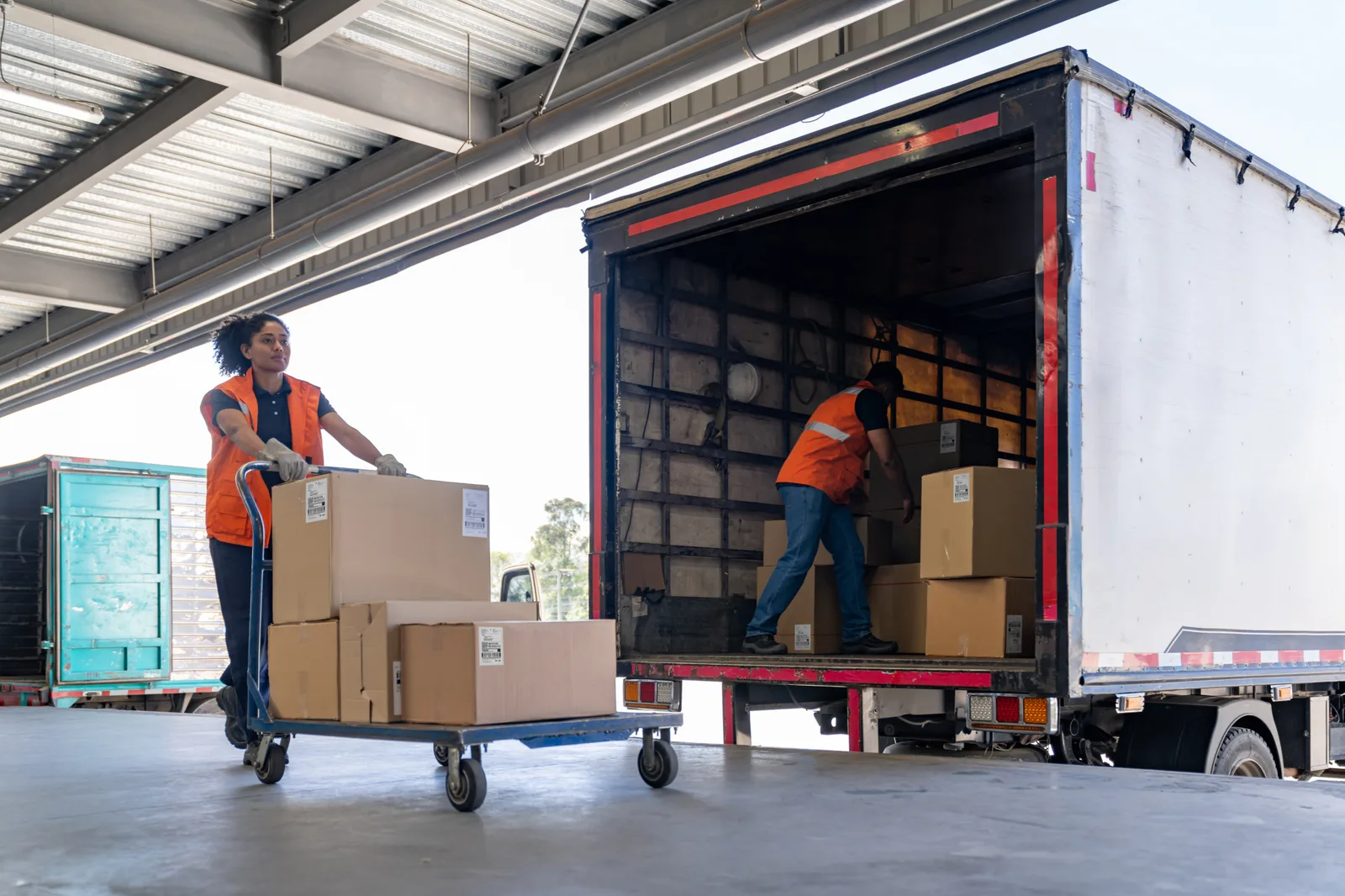
Machine-shop freight breaks the rule of thumb most shippers rely on — that size predicts weight. A progressive die the size of a bar fridge can outweigh an entire skid of packaged goods. A tombstone fixture or a chuck takes up almost no deck space and still demands a forklift at both ends. Moving this kind of freight well comes down to three disciplines: building the skid so the load cannot move, declaring the true weight so the right vehicle shows up, and choosing a service level that matches how badly the next operation is waiting.
This guide covers all three, the way they play out for shops across the GTA and Southern Ontario.
Dense freight behaves differently
The first thing to understand about machined loads is that they concentrate weight. Cartons distribute load across a pallet; a die or a machine base puts most of its mass through a few contact points. That has practical consequences:
- The pallet has to be rated for the load. Light-duty pallets that carry cartons fine will crack under a die. Use hardwood pallets with sound stringers, or purpose-built skids and cribbing for anything unusually heavy.
- Point loading needs spreading. If the part sits on feet or a narrow base, put lumber between the part and the deck so the weight spreads across the boards instead of punching through one.
- Handling equipment has limits you can hit early. A dense load can exceed a pallet jack’s or a tailgate’s rating long before it looks impressive. This is why weight accuracy matters more here than in almost any other freight category.
Build the skid like you’d build a fixture
A machinist’s instinct — locate it, clamp it, verify it — is exactly the right instinct for the skid:
- Bolt or lag the part to the deck wherever tapped holes, feet or the casting allow. Through-bolting beats banding; banding beats wrap alone.
- Block against sliding with hardwood dunnage nailed to the deck on all four sides of the part’s base.
- Protect machined surfaces. Ground and machined faces should be oiled or wrapped in VCI (rust-inhibiting) paper before anything touches them, and nothing should bear on a precision surface.
- Keep the centre of gravity low and inside the footprint. A top-heavy or overhanging load is a refusal waiting to happen.
- Wrap and label last. Stretch wrap keeps the paperwork, small components and weather out — it is not restraint.
For smaller work — finished parts in totes and cartons — normal palletizing practice applies, but keep totes of parts banded to the deck. A tote of steel components slides with surprising momentum.
Declare the real weight, every time
The single most common failure in shop freight is an optimistic weight. It causes two expensive problems. First, vehicle selection: a load declared at a few hundred pounds might be dispatched in a cargo van that can’t legally or safely take what actually shows up. Second, ground-level delivery: a tailgate is rated equipment, and a dense die can exceed the platform’s safe working load even when the truck itself could carry it easily.
If you don’t have a scale, calculate: steel runs about 490 lbs per cubic foot, aluminum about 169. An estimate from material and dimensions beats a guess every time. Flag the forklift situation at both ends too — dense loads are forklift loads, and if the destination has neither dock nor forklift, the carrier needs to know before dispatch, not at the door.
The outside-processing loop
For most shops, the freight that never stops is the loop to outside processes — heat treating, plating, anodizing, grinding, coating — and back. Two things make this loop run well.
First, treat the return leg as seriously as the outbound. The parts coming back are usually what gates your ship date, so the pickup at the processor should be booked when the parts go out, not improvised when they’re ready.
Second, if the loop repeats weekly, put it on a schedule instead of booking it one run at a time. A carrier that already knows your processor’s shipping hours and paperwork clears the stop faster — the reasoning is covered in our answer on how machine shops ship parts, and it’s part of the bigger picture in what Ontario manufacturers need from a shipping partner.
Matching the vehicle to the load
Machine-shop freight spans the whole vehicle range, so book by load, not by habit:
| Load | Typical vehicle | Notes |
|---|---|---|
| Small parts, gauges, inserts | Minivan or cargo van | Fast, economical, city-friendly |
| Bar stock and long material | Pickup with open bed | Tie-downs; flag anything overlength |
| Totes and cartons of parts | High-roof van or Sprinter | Band totes to skids where possible |
| Dies, fixtures, machine components | 26-foot box truck | Skidded and bolted; forklift or tailgate at each end |
| Loads beyond 10,000 lbs | Semi via transportation partners | Arranged through the same carrier contact |
Skidded and palletized work is the core of this — it’s the reason skid and pallet service exists as its own discipline, with drivers who handle dense freight daily. If your shop also fabricates or ships weldments, the open-deck side of the equation is covered in our guide to deliveries for welding and fabrication shops.
When the next operation is waiting
Not all shop freight is urgent, but when it is, it’s very urgent — a die out for repair while a press sits idle, or parts a customer’s line is waiting on. For those runs, direct service matters more than anything: one vehicle, your freight only, straight to the destination. For everything else — the weekly plating loop, finished orders on normal terms — scheduled and next-day options keep the cost proportionate.
Sonic Transport moves machine-shop freight across the GTA, Golden Horseshoe and Southern Ontario every week — roughly 60% of what we carry rides on skids and pallets, much of it exactly this kind of dense, high-value work. Tell us what’s moving and a real person will spec the right vehicle and price the run.
Frequently asked questions
How should a die or fixture be secured to a pallet?
Bolt it through the deck boards or lag it to the stringers wherever the casting allows, then block it with hardwood dunnage so it can't slide. Stretch wrap alone won't hold a few hundred kilograms of steel through braking — the wrap keeps dust and paperwork on, the bolts keep the load on.
Why do carriers ask for exact weight on machined loads?
Because dense freight is deceptive. A load with a small footprint can exceed a tailgate's safe working limit or change which vehicle is suitable, and a driver can't tell by looking. An honest weight up front means the right truck arrives once, instead of the wrong truck arriving twice.
Can machined parts ship the same day they come off the machine?
Yes, if they're packaged and released. Same-day direct runs move parts straight from one shop's dock to the customer or the next process without terminals or transfers. The practical constraints are packaging time and whoever needs to sign off on the release — not the drive.