
Line-Down? How Emergency Parts Move Across Ontario
When a production line stops, the part moves by direct exclusive run. How emergency parts freight works across Ontario and what to have ready when you call.
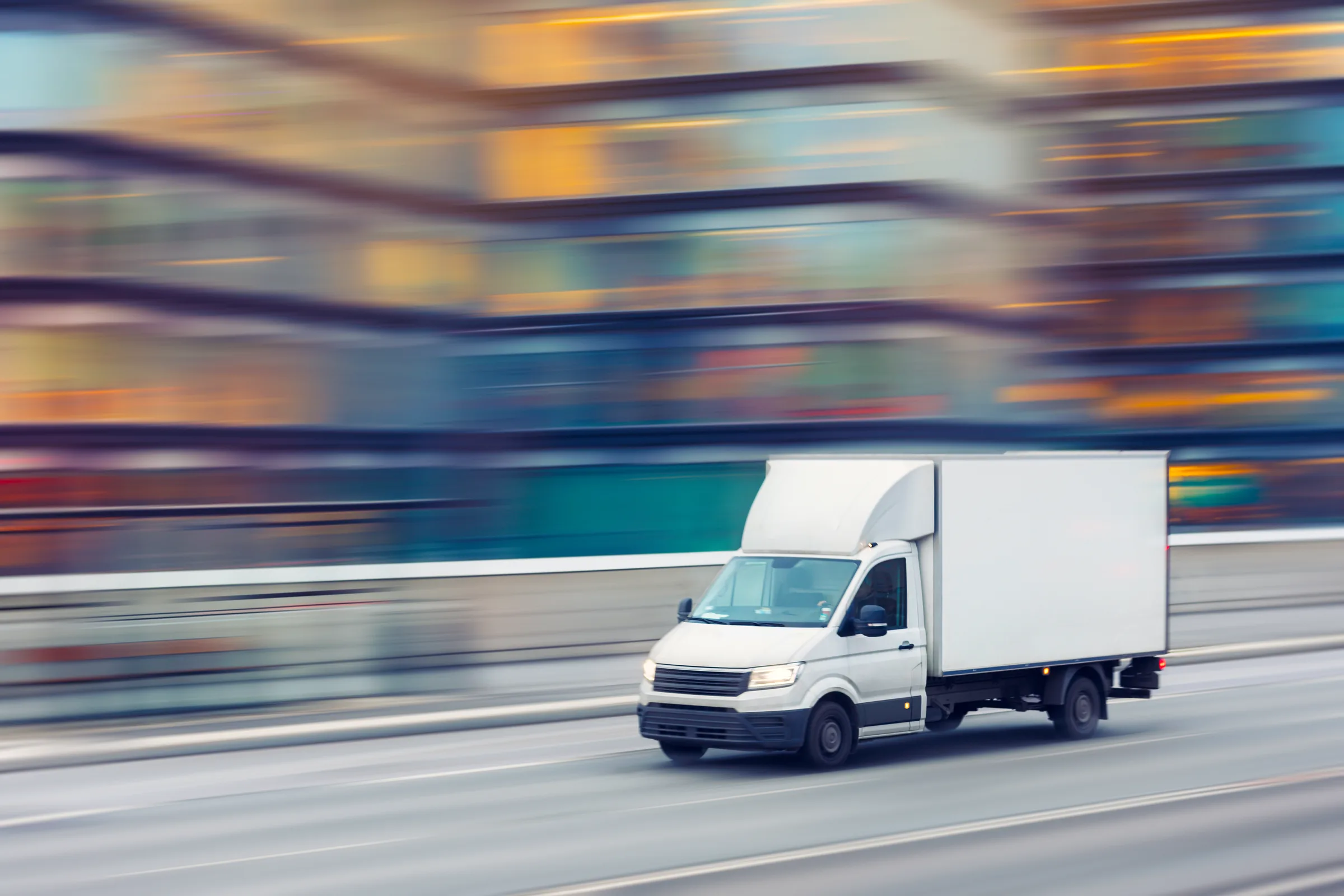
A production line is stopped. The part that fixes it exists — at a supplier in Cambridge, a distributor near Pearson, a sister plant in Barrie — and the only thing between a stopped line and a running one is a stretch of Ontario highway. This is line-down freight: the most time-critical work in regional trucking, and the reason direct exclusive runs exist. Here’s how the move actually happens, and what the plant can do to make it happen faster.
Every line-down job is the same problem wearing different parts numbers. A machine is down, maintenance has identified the fix, purchasing has found the component, and now the clock that was ticking in the maintenance office starts ticking on the road. What the plant needs from a carrier at that moment is simple: one vehicle, dispatched now, driving one route, carrying one thing.
Why line-down freight gets its own rules
Ordinary freight is optimized for cost; line-down freight is optimized for time, because the cargo’s value has nothing to do with what’s in the box. A sensor that fits in one hand can be holding an entire shift’s output hostage. That inversion changes how the shipment should move:
- No consolidation. Sharing a truck with other freight means waiting for other freight. A line-down part rides alone.
- No terminals. Every cross-dock is a queue, a handling event and a chance to sit. The part goes from the supplier’s hands to the plant’s hands with nothing in between.
- No ambiguity. Dispatch, driver, shipper and receiver all need to know exactly where the part is going and who takes it, because there’s no slack to absorb a wrong turn or a locked gate.
This is what a direct exclusive run delivers: a vehicle assigned to your shipment only, driving pickup to delivery without intermediate stops. It’s the core of rush service, and it’s the difference between “it’s on a truck” and “it’s on your truck.”
The geography of an Ontario parts emergency
Southern Ontario is dense with manufacturers, and equally dense with the suppliers that keep them running — which is why most line-down runs are regional, not local. A stamping plant in Brampton sources from a distributor in Mississauga; a food-equipment supplier in Toronto ships a drive component to a facility in Hamilton; a machine shop in Kitchener–Waterloo turns an emergency spare for a plant in Guelph.
From a GTA base, a direct run covers this whole map in one leg — up to roughly 350 km one way, which reaches Niagara, London and Barrie without a transfer. The 401 and QEW corridors carry most of it. When the part is coming from farther — out of province, or across the border — the move can still be coordinated through transportation partners, with one dispatcher managing the handoff so the plant isn’t chasing two carriers.
What dispatch needs from you, in the first call
A line-down call goes fastest when the caller has five things ready:
- What the part is — dimensions, weight, and whether it’s crated, boxed, on a skid or loose. This picks the vehicle: a control board rides in a minivan; a motor on a skid needs a box truck, and possibly a tailgate at one end.
- Exact pickup details — supplier name, full address, the order or will-call number, and the name of the person releasing the part. Counter staff won’t hand freight to an unnamed driver against an unnamed order.
- Exact delivery details — plant address, which gate or door, and who receives it. “The plant” is not an address a driver can act on at a guard shack.
- Contacts at both ends — cell numbers, not switchboards. When something needs solving mid-run, it gets solved in one call or not at all.
- The real constraint — is a crew standing by for a specific window? Is a shift change coming? Dispatch routes and sequences better when it knows what the deadline actually is.
If your operation faces breakdowns more than once in a while, it’s worth building this information before the emergency — the emergency parts playbook for Ontario manufacturers covers how to have it all on file so the first call takes two minutes instead of twenty.
One caution before any vehicle rolls: confirm the part is actually the part. The most expensive rush run in freight is the one that delivers the wrong component at full speed — a superseded part number, the right pump with the wrong flange, a unit the supplier’s system showed in stock but the shelf didn’t. Have maintenance verify the part number against the machine’s documentation, and have the supplier confirm the physical item is picked and matches before dispatch. Two phone calls, and they cost minutes; the alternative costs a second emergency.
While the part is on the road
A direct run removes the freight variables, which leaves the coordination variables — and those belong to the plant. The productive use of transit time is preparing the arrival: confirm the receiving gate knows a courier is coming, make sure the maintenance crew that will install the part is scheduled against its arrival rather than discovering it at the dock, and keep the receiving contact’s phone on. Shipment updates from the carrier close the information gap in the other direction, so the plant isn’t calling the supplier to ask where the truck is.
It’s also worth remembering that the part is only one leg of the recovery. Breakdown response often involves a technician travelling separately, tooling coming from somewhere else, or a failed core going back for exchange or warranty — the freight side of that bigger picture is laid out in the logistics side of machine breakdown recovery.
Closing the loop
The run ends when the receiver signs. That signature — the proof of delivery — is more than paperwork on a line-down job: it’s the timestamped confirmation that lets purchasing close the emergency order, lets the maintenance planner log the response, and settles any later question about when the part actually landed. Ask for it as part of the service, and file it with the work order.
When the line is down and the part is out there
Sonic Transport runs direct exclusive rush freight across the GTA, Golden Horseshoe and Southern Ontario — one vehicle, one driver, straight from your supplier’s dock to your plant, with a real person coordinating it and a POD closing it out. If a line is down and the part is sitting somewhere in Ontario, send us the details and we’ll get a vehicle moving.
Frequently asked questions
What does line-down mean in freight?
Line-down describes a shipment that has a production line stopped until it arrives — usually a replacement part, component or material the line can't run without. Carriers treat line-down freight as the highest urgency tier because every hour in transit is an hour of stopped production.
Can an emergency part be picked up directly from the supplier?
Yes, and it usually should be. On a direct run the driver collects the part at the supplier's counter or dock and drives it straight to the plant — no depot, no transfer. Give the carrier the supplier's address, the order or will-call number, and a contact name so the pickup isn't held up at the counter.
Do emergency parts deliveries work outside regular business hours?
Plants run shifts, and breakdown freight follows the breakdown, not the clock. Talk to the carrier about the specific run — and make sure the receiving end is arranged: a gate that will open, a person who knows the part is coming, and a phone that will be answered.