
The Emergency Parts Playbook for Ontario Manufacturers
Prepare for breakdown freight before it happens: shipment details on file, a carrier that knows your account, a scripted receiving end and a POD that closes the loop.
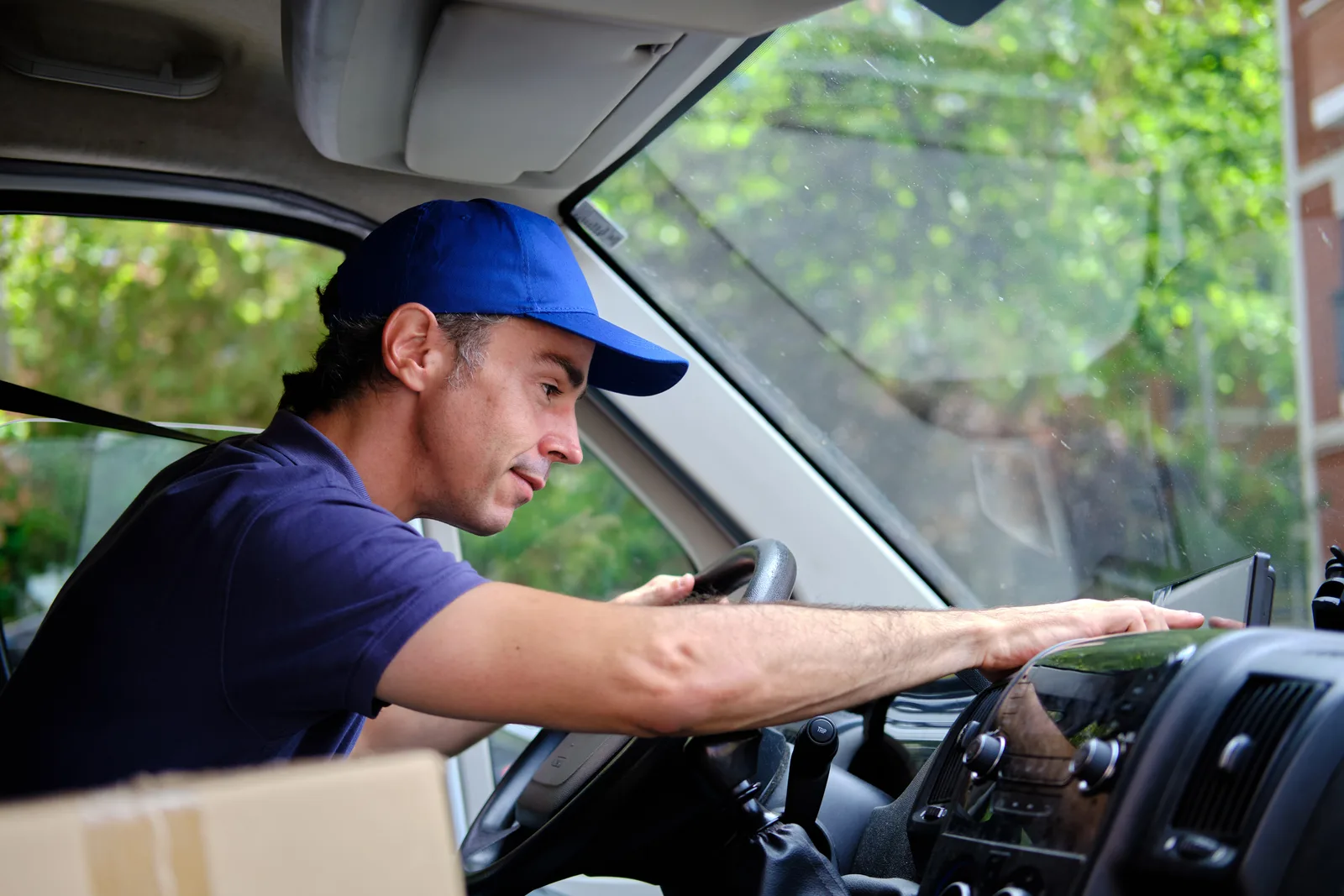
Emergency freight is won or lost before the emergency happens. When a machine goes down, the plants that recover fastest aren’t the ones with the fastest trucks — every carrier’s trucks drive the same highways — they’re the ones where the first phone call takes two minutes because everything the carrier needs is already known, written down and agreed. This playbook is the prep work: what to have on file, what to set up with a carrier in advance, and how to script the two ends of the run so the part never waits on a person.
Build the shipment file before you need it
The answer to most delays in emergency freight is information that should have existed already. For each critical machine, or each key supplier, keep a short freight profile where the people who book shipments can find it:
- Typical part characteristics — the size and weight range of the components that actually fail: boards and sensors that ride in a minivan, motors and gearboxes that need a skid and a tailgate. Vehicle choice hinges on this; if you want the logic behind it, see how to choose the right vehicle size for a shipment.
- Supplier pickup details — address, receiving or will-call hours, the counter procedure, and what a driver must present to collect against an order.
- Your receiving details — which gate, which door, receiving hours by shift, and where an after-hours delivery physically goes.
- Contacts — the cell numbers of the people who release parts at the supplier and receive them at your plant. Switchboards don’t answer at 9 p.m.
None of this is exotic. All of it is exactly what you’d otherwise be assembling by phone, under pressure, while the line sits idle.
Set up the carrier relationship now
A carrier who already knows your account removes an entire layer of friction from an emergency. Setting that up costs one conversation in a calm week:
- Open the account in advance so billing never blocks a booking.
- Walk them through your site — dock locations, gate procedures, any site rules a driver has to follow. Instructions given once, on file, beat instructions dictated during a crisis.
- Learn how their priority dispatch works — what an exclusive direct run looks like, what vehicles they run, how far direct service reaches. A regional carrier running rush service across the GTA and Southern Ontario covers most Ontario supplier-to-plant lanes in a single direct leg.
- Agree on how rates work so nobody is negotiating at midnight. Emergency runs aren’t flat-rated — they price on distance, vehicle, weight and urgency, the same factors covered in what determines courier rates in the GTA — but knowing the structure in advance means the quote is a formality, not a debate.
The differentiator you’re really buying is a person who knows your operation. When the caller says “it’s the Hamilton plant, dock 3, same as March,” and the dispatcher knows what that means, you’ve saved the twenty minutes that matter.
Name one owner for the freight leg
In most plants, an emergency part involves three departments: maintenance identifies it, purchasing orders it, and receiving takes it. The freight leg — booking the carrier, relaying pickup details, tracking the run — falls in the seams between them, and seams are where hours disappear. Pick one role that owns emergency freight, give them the shipment file and the carrier contact, and make sure the other departments know to route freight questions to them. One owner, one carrier contact, one version of the truth.
Give that owner spending authority to match. Emergency freight costs more than routine freight, and a booking that has to wait for a manager’s sign-off at night has reintroduced the exact delay the playbook exists to remove. Decide in advance what the freight owner can approve on their own signature for a line-down event, and put it in writing. The approval conversation is cheap in a calm week and ruinously expensive mid-breakdown.
Script the pickup end
The most common delay on an emergency run isn’t the road — it’s the supplier’s counter. A driver arrives to collect a part and nobody can find the order, or the part isn’t released without a name, or it’s still being packaged. Prevent it with three habits:
- When purchasing places the emergency order, they ask the supplier directly: what does the driver need to say or show to collect this?
- That answer — order number, contact name, counter location — goes to the carrier verbatim at booking.
- The supplier is told a courier is coming before the vehicle arrives, so the part is pulled, packaged and sitting at the counter.
Script the receiving end
The run isn’t over when the truck reaches the gate — it’s over when the part is in the hands of the crew that installs it. Arrange the last fifty metres in advance: the gate or guard knows a courier is expected, the receiving door is open or a person meets the vehicle, and the maintenance crew is scheduled against the part’s arrival rather than finding out afterward. If the delivery point has no dock or forklift, flag it at booking so the carrier sends a tailgate-equipped truck.
Then close the loop on paper. The proof of delivery — who signed, and when — is what lets purchasing close the order, feeds the maintenance log, and gives you the real timestamp for your downtime record. Make “POD filed with the work order” the defined end of every emergency run.
Review after the fire is out
Every breakdown is a free audit of this playbook. Once the line is running, spend ten minutes on the freight leg: How long from “part located” to “carrier booked”? Where did minutes leak — a missing address, an unstaffed counter, a locked gate? Update the shipment file with what you learned. Plants that do this get measurably smoother with each event; plants that don’t repeat the same scramble annually. For the fuller picture of what these runs look like from the road, read how emergency parts move across Ontario when a line is down.
Put a carrier in the playbook
Sonic Transport is a Mississauga-based B2B carrier running priority direct freight across the GTA, Golden Horseshoe and Southern Ontario — with a real person who learns your account, your docks and your suppliers before you ever need a part moved at speed. If emergency freight belongs in your maintenance playbook, tell us about your operation and we’ll set it up before the next breakdown.
Frequently asked questions
Why set up a courier account before an emergency instead of during one?
Because account setup — billing details, contacts, site instructions — takes time you don't have when a line is down. With an account in place, the first call is about the shipment, not the paperwork, and dispatch already knows your dock, your hours and who to call on site.
What shipment information should a manufacturer keep on file for emergencies?
For each critical machine or supplier: typical part sizes and weights, how parts are usually packaged, the supplier's address and will-call procedure, and your own receiving details — gate, door, hours and a contact cell. With that on file, an emergency booking takes minutes.
Should the maintenance team or purchasing handle emergency freight?
Decide before the breakdown — that's the point. In many plants purchasing places the order and maintenance receives the part, and the freight falls in the gap between them. Name one owner for the freight leg so the carrier gets one authoritative set of instructions.