
Deliveries for Landscape and Horticultural Suppliers: Hard Goods on Time
How landscape and horticultural suppliers keep contractors and garden centres stocked — irrigation, lighting, tools and parts on scheduled runs across the GTA.
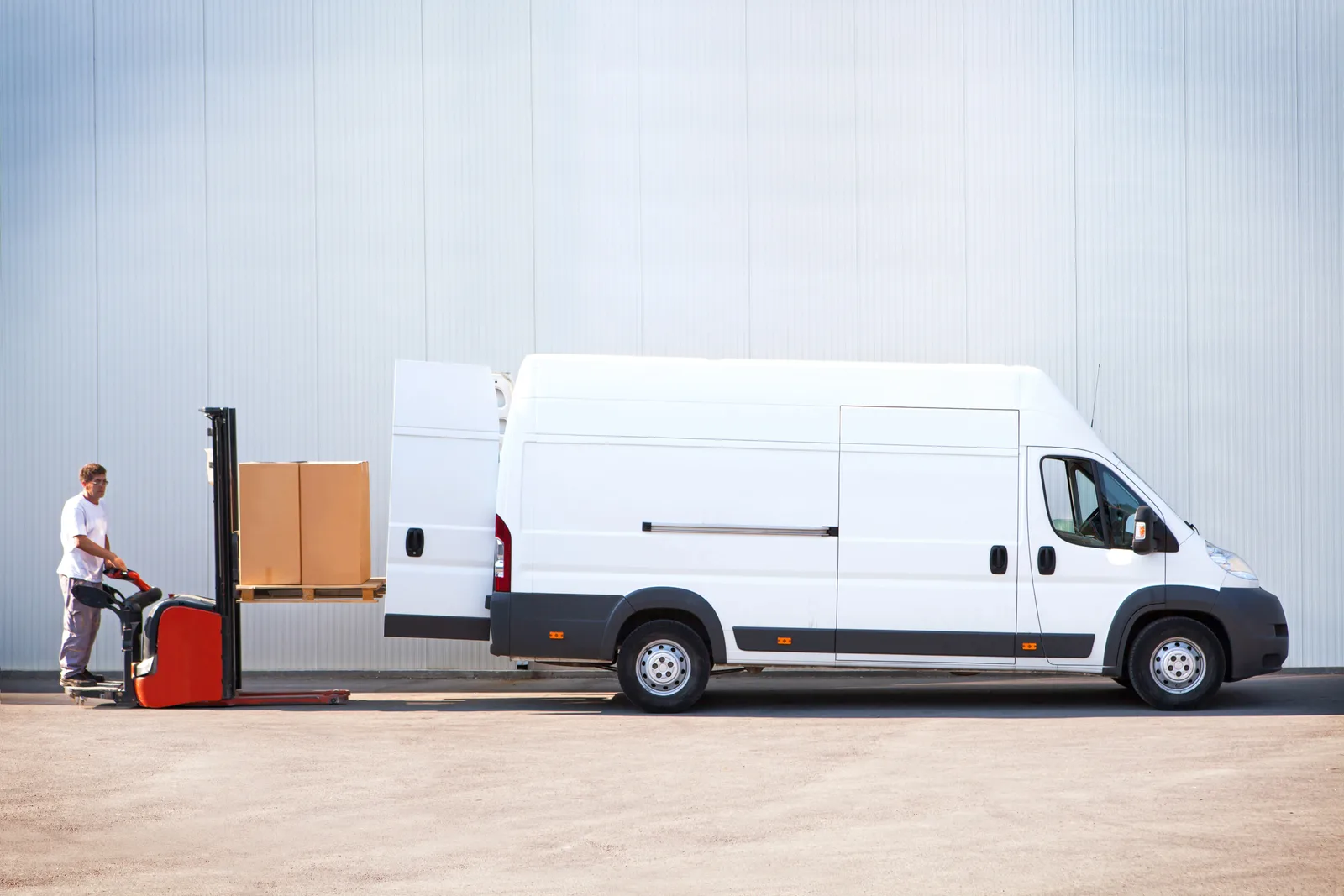
Every landscape supplier knows the shape of the year: a quiet winter, a spring that arrives like a wall, and roughly seven months to make the whole season work. When the rush hits, the suppliers who win are the ones whose contractors and dealer accounts never wait on a delivery — because in this trade, a crew standing around a half-finished irrigation trench waiting for fittings is money burning by the hour. This article is about the hard-goods side of that business: the equipment, parts and supplies that keep landscape and horticultural operations running, and how the deliveries behind them actually work. Live nursery stock is its own discipline with its own handling needs; what follows is about everything else on the order sheet.
What the freight actually looks like
Landscape and horticultural hard goods span a wide physical range, and that range decides the vehicles:
- Cartoned goods — irrigation heads, valves, controllers, low-voltage lighting, hand tools, PPE, fasteners. Standard carton freight, often mixed onto skids by order.
- Long stock — irrigation pipe, conduit, edging, stakes. Awkward on a standard pallet; travels well in an open pickup bed with tie-downs or flat on the deck of a box truck.
- Bagged and rolled product — landscape fabric, netting, erosion control blankets, bagged amendments. Heavy, palletized, forklift-or-tailgate freight.
- Equipment and parts — mower decks, engine assemblies, pump housings, replacement spindles and belts for the machines contractors run daily.
A supplier’s outbound day usually mixes all four, which is why a carrier with a mixed fleet fits this sector: a van for the parts orders, a pickup for the pipe, a box truck with a tailgate for the palletized freight.
Replenishment runs on route days
The core delivery pattern in this industry is recurring replenishment, and the efficient way to run it is a scheduled route. Dealers, garden centres and institutional grounds departments reorder on a weekly rhythm through the season; a supplier who consolidates those orders onto fixed route days — east GTA Tuesdays, Niagara and Hamilton Thursdays, that kind of structure — gets three things at once. Orders ship predictably, receiving ends know when to expect stock, and the per-delivery cost drops because the truck is doing productive work at every stop instead of running one order across the region.
Greenhouse and nursery operations buy hard goods on the same rhythm — trays, film, fittings, benches, hardware — and the logistics look identical even though the businesses grow live product. Our answer page on how greenhouses get their supplies covers that variant of the pattern.
Job-site deliveries: the contractor side
Delivering to a landscape job site is closer to construction logistics than to retail replenishment, and it rewards the same preparation. The site has no receiving dock, often no fixed address beyond a lot number, and the “receiver” is a foreman whose phone is in a pocket somewhere across the property. What makes these deliveries work:
- A live contact number for someone actually on site, confirmed at booking.
- A realistic drop point — where can a truck physically get to, and where does the crew want the freight grounded?
- A tailgate for palletized freight, since the skid is coming off at ground level with no forklift in sight.
- Honest weights and dimensions, so the truck that arrives can handle what’s being dropped.
This is the same playbook that governs construction material deliveries across the GTA, scaled to landscape freight — and the same reasons apply for how contractors get materials to site without pulling a crew member off the job to go collect them.
Equipment down is the emergency that can’t wait for route day
The scheduled backbone handles the volume, but the runs a supplier is remembered for are the emergencies. A commercial mower with a seized spindle in June, a failed irrigation pump the week of a hand-over, a chainsaw fleet down before a storm-cleanup contract — in each case a crew is idle until the part lands, and the part is sitting on the supplier’s shelf 60 kilometres away.
Those orders skip the schedule and go direct: one vehicle, straight run, delivered to the shop or the site the same day. Suppliers who can say yes to that call — because they have a carrier who answers it — turn a breakdown into a loyalty moment. The ones who can’t are teaching their best contractor accounts to source elsewhere.
The seasonality problem, and how carriers absorb it
A landscape supplier’s shipping volume can swing several-fold between February and May, which makes a dedicated in-house truck an awkward asset: underused all winter, overwhelmed all spring. Using a regional carrier converts that fixed cost into a variable one that scales with the season — more route capacity in the rush, less in the quiet months, with no vehicle sitting idle on the books. It’s the same economics that lead wholesale distributors of every kind toward outside carriers, sharpened by one of the most seasonal demand curves in B2B trade.
Sonic Transport moves hard goods for suppliers across the GTA, Golden Horseshoe and Southern Ontario — scheduled routes for the replenishment rhythm, direct runs when a machine is down, tailgate service standard on our box trucks for site and no-dock deliveries. If your season is coming and your delivery plan isn’t ready, tell us what you ship and a real person will build the runs around it.
Frequently asked questions
What counts as hard goods in the landscape trade?
Everything that isn't live plant material: irrigation pipe and fittings, low-voltage lighting, tools, equipment parts, edging, fabric and netting, bagged product, hardware and fasteners. Hard goods ship as ordinary freight — cartons, skids and long stock — without the handling constraints that live goods carry.
Can a courier deliver directly to a landscape job site?
Yes, and it's common. Site deliveries need a working contact number for the crew, a realistic drop point the truck can reach, and a tailgate if palletized freight has to come off at ground level. Confirm site access when booking so the driver isn't hunting for a foreman across a two-hectare property.
How do suppliers handle the spring rush?
The strong pattern is a scheduled backbone plus a rush valve: recurring route days for dealer and contractor replenishment through the season, and direct runs reserved for genuine emergencies like a broken machine or a crew stalled on site. Suppliers who rely on ad-hoc booking alone find trucks scarce exactly when they need them most.