
Plumbing and HVAC Supply Delivery: Parts That Can't Wait for the Truck
Rush delivery for plumbing and HVAC: getting service-call parts to technicians fast, moving water heaters and furnaces to site, and the will-call handoff.
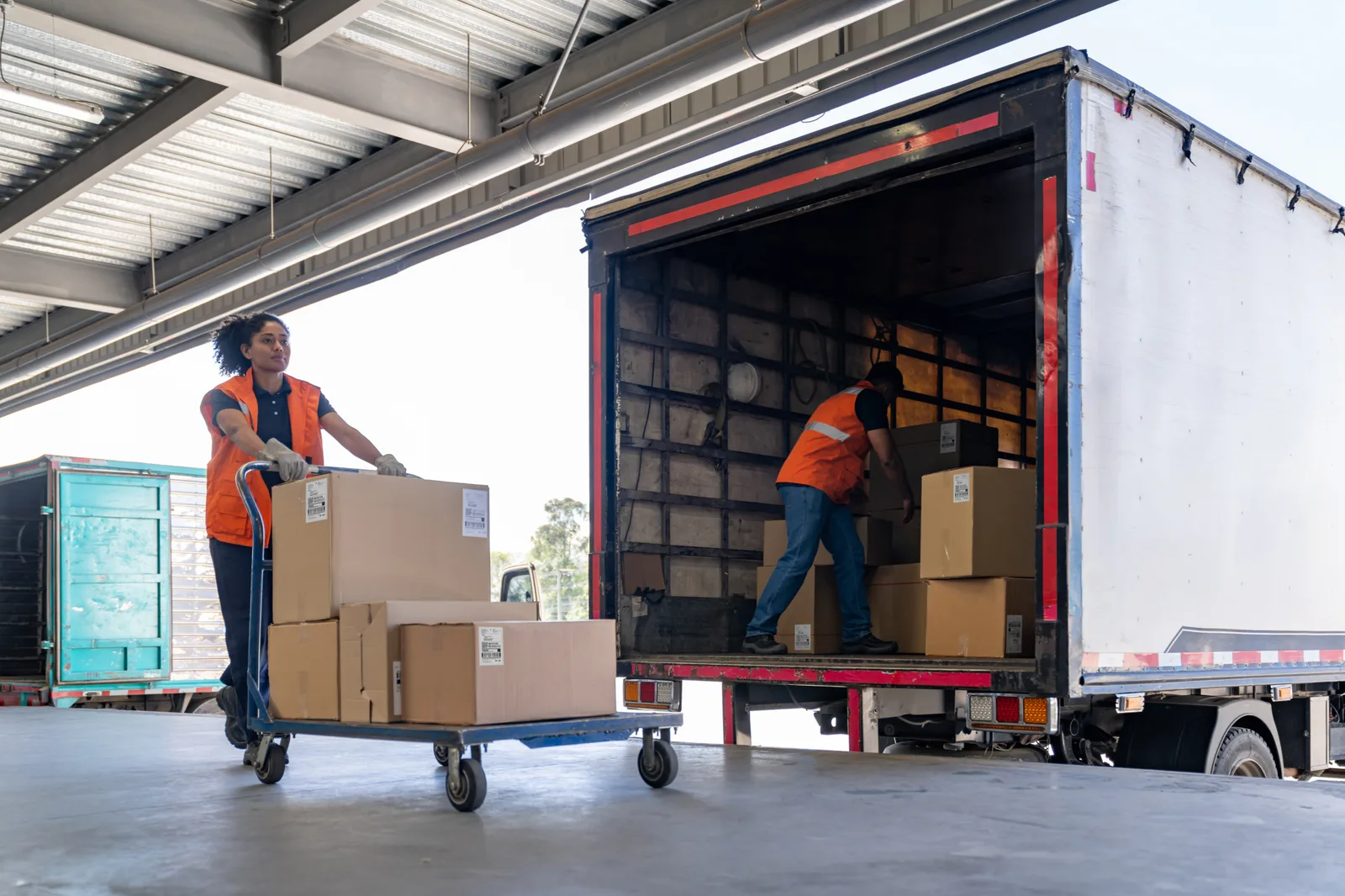
A no-heat call in February. A commercial kitchen with a dead water line. A rooftop unit down over a server room. Plumbing and HVAC live on service calls where the clock started before anyone picked up the phone — and the part that fixes the problem is sitting at a wholesaler’s counter on the other side of the city, while a licensed technician bills hours standing next to a torn-open unit.
This is a freight lane with its own physics: small parts, enormous urgency, and a delivery address that’s wherever today’s failure happened. Here’s how suppliers and contractors in the GTA run it well.
The service-call clock
The defining math of this trade: the technician on site is the scarce resource. Sending them to fetch the part burns the very hours the customer is paying for and pushes every later call down the day’s schedule. The alternative is a rush run — a courier picks up at the wholesaler’s will-call counter and drives the part directly to the site, no other stops, while the technician stays on the job.
What makes these runs fast has little to do with driving. It’s the booking:
- The part, precisely — make, model, order or will-call number, so the counter releases it without a phone chase.
- The pickup point — which branch is actually holding it. Stock checks before dispatch save the classic wasted trip to the wrong counter.
- The destination and receiver — site address plus the technician’s name and mobile. Service addresses have no receiving desk; the phone number is the receiving desk.
- Who’s paying — account, PO or prepaid, settled before the driver arrives.
With those four in place, the constraint becomes the drive itself — which is exactly how a rush lane should behave. What rush means as a service level is priority dispatch and a direct run: the next suitable vehicle, straight there.
Equipment to site: heavy, boxed, no dock
The other half of the lane is equipment: water heaters, furnaces, boilers, air handlers, condensing units. Boxed on skids, this freight is heavy enough to need real handling and finished enough to be damage-sensitive — and it delivers to houses under renovation, mechanical rooms, storefronts and rooftops’ street entrances, none of which have docks.
Three rules cover most of it:
- Upright, strapped, enclosed. Tanks and furnaces travel standing, secured against tipping, in enclosed vehicles. A dented casing is a rejected unit even when nothing inside is harmed.
- Ground delivery by tailgate. With no dock and no forklift on site, the skid grounds at street level on a tailgate and moves by hand truck or pallet jack. Book the tailgate up front — it has to be on the truck when it leaves.
- The courier delivers to ground; rigging is separate. Getting a rooftop unit onto the roof is crane or hoist work arranged by the contractor. Clean division of labour, stated at booking, prevents the standoff at the curb.
Site coordination follows the same playbook as the rest of construction freight — access, staging, a named contact — laid out in our guide to getting construction materials to site and in the answer on how contractors get materials to site.
The wholesaler’s side: winning the will-call handoff
For the wholesaler, third-party pickups at the counter are a service moment with the contractor watching. Two habits make a branch the one contractors prefer to order from. Stage the order — picked, labelled with the reference, at the counter — so the driver’s stop takes two minutes, not twenty. And release cleanly: a named process for third-party pickup (reference number plus driver ID) protects everyone without turning the counter into an interrogation.
Wholesalers who also run their own delivery schedule — morning shop drops, standing site deliveries for project work — layer that scheduled lane under the rush lane, the same structure the electrical trade runs; see electrical supply distribution for the parallel.
Not everything is an emergency — price accordingly
The trap in an urgency-driven trade is paying rush rates for freight that isn’t rushed. Fixture packages for a renovation, stock replenishment between branches, next-week’s project material — all of it can ride scheduled or next-business-day service at a fraction of the direct-run cost. The discipline is a two-question sort at booking: is someone on site waiting for this today? If yes, it rides direct. If no, it rides cheap. Suppliers who sort honestly fund their genuine emergencies with what they save on their false ones.
Sonic Transport runs both speeds for plumbing and HVAC suppliers and contractors across the GTA, Golden Horseshoe and Southern Ontario — rush runs from will-call counter to service call, tailgate-equipped box trucks for water heaters and furnaces, and scheduled service for everything that can wait. Next time a technician is standing next to a dead unit waiting on a part, tell us where it is and where it’s going and a real person will get it moving.
Frequently asked questions
How do HVAC technicians get parts delivered to a job in progress?
The contractor's office locates the part at a wholesaler, pays or references the account over the phone, and a courier picks it up from the will-call counter and runs it directly to the site while the technician stays on the job. The booking needs the will-call reference, the site address and the technician's mobile number so the handoff happens in minutes.
How are water heaters and furnaces delivered without a loading dock?
Boxed equipment travels upright and strapped in an enclosed truck, and grounds at street level on a tailgate — the hydraulic lift-gate lowers the skid so it can be moved by hand truck or pallet jack. From the ground, positioning the unit inside the building is the installing contractor's work.
What information makes a rush parts delivery go faster?
Four things: exactly what the part is, which branch or counter is holding it, the reference that releases it (order or will-call number), and who receives it at the destination with a mobile number. With those in the booking, the vehicle is moving immediately — missing details, not distance, are what slow rush freight down.