
The Cheapest Ways to Ship One Skid in Ontario (Without Rolling the Dice)
The levers that genuinely lower the cost of shipping one skid in Ontario — timing flexibility, shared LTL lanes, consolidation and quote-ready accuracy.
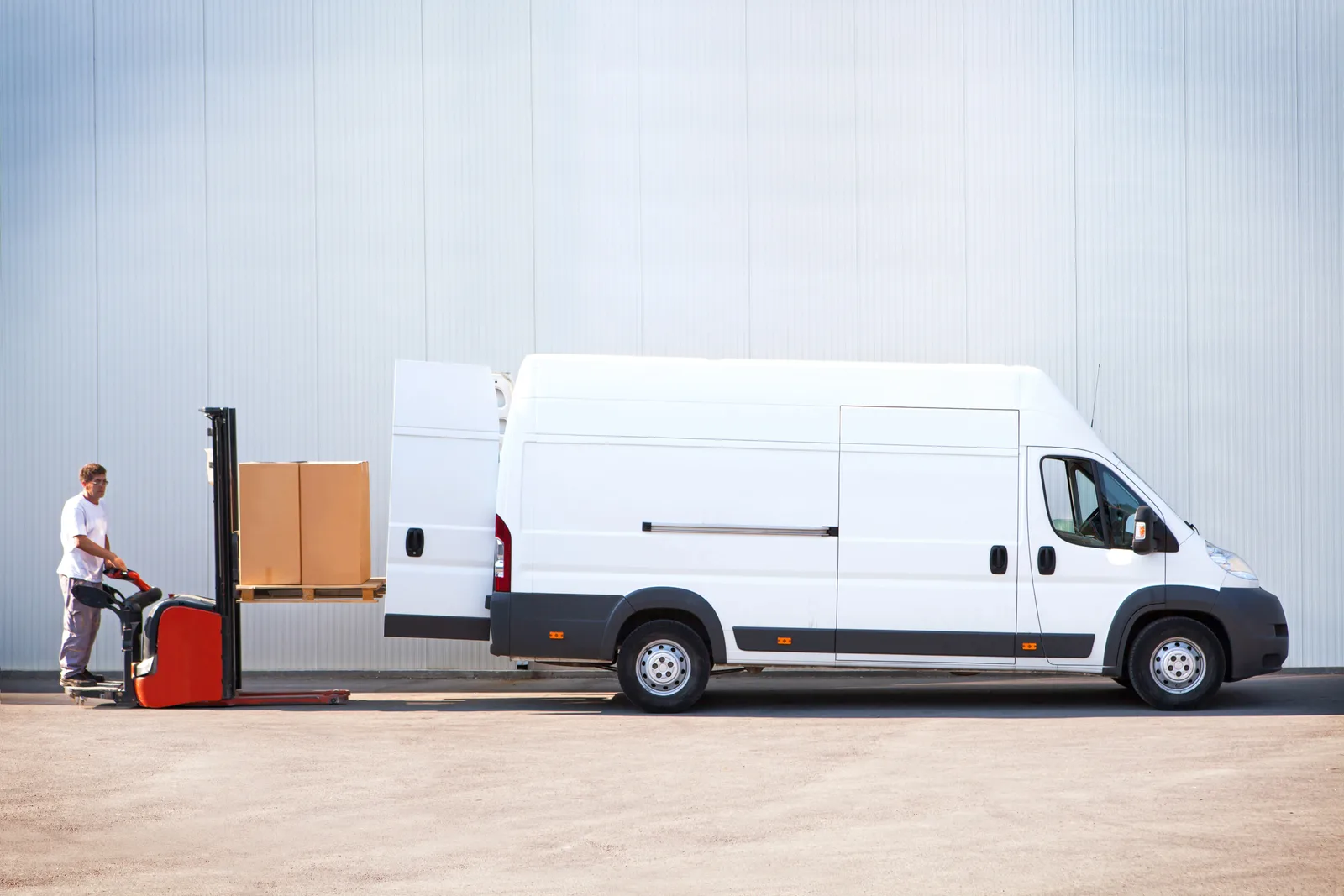
“Cheapest” is a word worth being careful with in freight. Chase it blindly and you can end up with the shipment that gets bumped, arrives damaged, or fails at delivery and bills twice. But there’s nothing reckless about paying less for a single skid — you just have to get the savings from the right places. The real price levers are structural: flexibility on timing, sharing the truck, consolidating what you ship, and giving the carrier accurate details the first time. Pull those and the rate comes down without the gamble.
One thing this guide won’t do is quote numbers — every skid prices individually, and anyone promising a universal figure is guessing. What the price is made of is covered in what it costs to ship a skid in the GTA; this page is about pushing those components down.
Lever 1: sell your flexibility — it’s worth real money
The largest cost divider in regional freight is simple: does this skid need its own truck, or can it share one?
Same-day service means a vehicle makes a direct run built around your shipment. It’s the right product for urgent freight — and you’re buying most of the truck’s time. Next-business-day service lets your skid ride a next-day LTL lane, where it shares the truck with other freight moving the same direction and every shipper on board splits the cost of the same vehicle and driver.
If tomorrow honestly works, say so when you book. Flexibility is a discount you already own; you just have to declare it. And be equally honest in the other direction — if the skid absolutely must land today, a cheap slow option that misses the deadline is the most expensive thing on the menu. The full trade-off lives in our comparison of LTL and direct courier service in Ontario.
Lever 2: let the skid share the truck
The economy of LTL comes from geometry, not corner-cutting: a truck running from the GTA to Hamilton or Kitchener–Waterloo costs roughly the same to operate full or half-empty, so filling it with several shippers’ freight lowers everyone’s share. For a single, sturdy, well-wrapped skid on a common lane, that shared ride is the structurally cheapest way it can travel.
To ride shared lanes well:
- Build the skid to survive extra handling. Shared freight gets touched more than direct freight. Solid pallet, tight wrap anchored to the deck, no overhang.
- Keep it standard. A 48″ × 40″ footprint at a normal height slots efficiently beside other freight; oversize and awkward shapes consume extra space — and space is what you’re billed for.
- Accept a window, not a minute. Shared lanes deliver within a service day, not at an appointed hour. If that’s fine, you’re the ideal LTL shipper.
Lever 3: consolidate — the cheapest skid is the one that shares your own booking
If you ship more than occasionally, look at your own patterns before looking at carriers. Three single-skid shipments to the same city this week means three pickups, three deliveries, three bookings. One three-skid shipment is one of each — and each skid’s share of the run drops accordingly.
Consolidation takes forms beyond the obvious:
- Batch the non-urgent. Hold routine freight a day or two and ship it together instead of dribbling it out.
- Combine destinations sensibly. Freight for two customers in the same area can move as one run with two stops.
- Regularize the lane. If the same route repeats weekly, a standing arrangement beats ad-hoc bookings — recurring, plannable freight is efficient freight, and pricing follows efficiency. This is also where a carrier relationship starts paying: a dispatcher who knows your lanes can slot your freight where it moves best, which no anonymous booking form will ever do for you.
Lever 4: get the details right the first time
Nothing quietly inflates freight spend like inaccuracy. A skid declared at the wrong weight or size gets a quote for a shipment that doesn’t exist — and the correction happens at the expensive end of the process, as a re-rate, a re-dispatch or a failed delivery.
The details that keep a quote true:
- Real dimensions — loaded length, width and height, at the widest points.
- Real weight — scale or documentation, not a shrug.
- The situation at both ends — dock, forklift, or neither. If either end needs a tailgate (lift-gate) truck, it must be booked from the start; it’s a factor in the rate, and it’s far cheaper as a booking detail than as a failed delivery. See what tailgate service costs for how it figures in.
- Receiving hours and contact — a truck that arrives to a locked door becomes a second delivery attempt.
Accuracy isn’t just about avoiding surprises — it lets the carrier put the smallest sufficient vehicle on the job, which is the quiet foundation of a good rate.
The false economies — where “cheap” rolls the dice
An honest guide has to name the moves that look like savings and aren’t:
- Undersizing the service. Booking economy freight against a hard deadline transfers risk to your customer relationship. The lane doesn’t know about your promise.
- Skipping the tailgate to save on the line item, then having no way to unload. The re-delivery costs more than the equipment ever would.
- Skimping on the pallet. A weak pallet, thin wrap or an unstable stack turns a cheap lane into a damage claim. Freight that arrives broken wasn’t cheap.
- Understating weight or size. It doesn’t lower the cost; it delays the correct price until the least convenient moment.
The pattern is the same each time: real savings come from how the freight moves, not from withholding what the shipment needs.
Cheap, done properly
The playbook in one paragraph: declare your true deadline and take the shared lane when tomorrow works; build a standard, sturdy skid that rides well beside other freight; batch your shipments and regularize your lanes; and hand the carrier accurate details so the first quote is the final one. That’s how a single skid moves across Ontario at the low end of its honest price range — reliably, not luckily. The wider set of pricing inputs is broken down in our guide to courier pricing factors in the GTA.
Sonic Transport runs both the shared next-day lanes and the direct trucks across the GTA, Golden Horseshoe and Southern Ontario, so the recommendation fits the freight rather than the other way around. Describe your skid and your real timeline — a person who knows the lanes will price it straight.
Frequently asked questions
Is next-day always cheaper than same-day for a skid?
As a rule, yes — next-day freight can ride a shared LTL lane where several shippers split one truck, while same-day work typically means a vehicle making a direct run for your shipment. If tomorrow genuinely works, saying so is usually the single biggest thing you can do for the rate.
Why won't carriers just publish a flat rate per skid?
Because two skids are rarely the same shipment. Distance, weight, dimensions, tailgate needs, timing and what's at each end of the run all move the cost of performing the delivery. A flat rate would have to be padded to cover the expensive cases, which would overcharge the simple ones — per-shipment quoting prices what your skid actually requires.
Does a smaller or lighter skid cost less to ship?
Often, because space and weight are real inputs to the rate — a compact, efficiently packed skid takes less of the truck and is easier to handle. But the savings have limits: distance and service level usually matter more. Pack tight for stability first; treat the size reduction as a bonus.