
Shipping Cabinets and Millwork to Site Without a Scratch
Getting cabinets and millwork to site clean and on schedule: install-sequence loading, surface protection, tailgate delivery and site coordination.
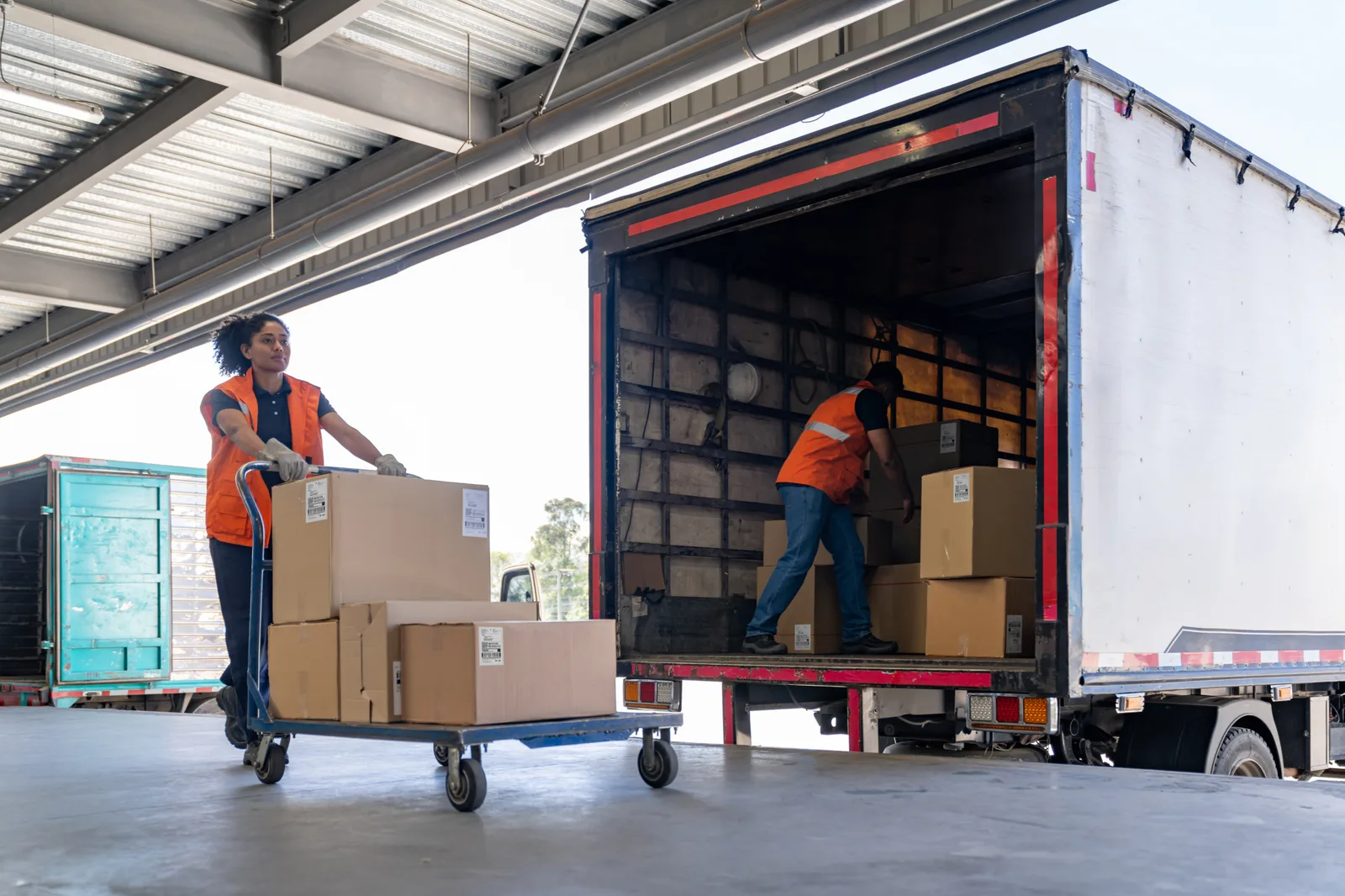
Install day is where millwork gets judged. A crew is booked, other trades are sequenced around them, and the boxes coming off the truck either match the drawings and arrive clean — or the whole schedule starts to slip. For cabinet shops and millwork houses, freight isn’t a back-office detail; it’s the handoff where shop quality meets site reality.
Two things decide whether that handoff goes well: when the load arrives relative to the install sequence, and how the finished surfaces are protected between the spray booth and the wall. This guide covers both, plus the site-delivery mechanics — no docks, live trades, tight access — that make construction deliveries different from dock-to-dock freight.
Load in reverse: what installs first comes off first
The load order is the install order, backwards. Uppers before lowers, kitchen A before kitchen B, base cabinets before crown and fillers — whatever the crew needs first goes into the truck last, so it comes off first. On a multi-unit job, that means loading by unit or by floor, not by whatever came out of the finishing room most recently.
This sounds obvious and is routinely missed, because the shop’s natural order (production sequence) and the site’s natural order (install sequence) are usually different. The fix is a load list built from the install schedule: the site supervisor or lead installer says what’s needed in what order, and the shop stages the load to match. When the truck doors open, the crew pulls what they need without unloading half the vehicle to reach it — and nothing gets set aside on a dusty floor to wait.
Time the delivery to site readiness, not shop readiness
Finished millwork is safest in the shop. A site under construction is one of the worst places to store it: other trades lean things against it, dust and grinding debris settle into finishes, and humidity swings work on wood products that were conditioned in a controlled shop. Every day a cabinet package sits on site before install is a day it collects risk.
So the timing rule is simple: deliver when the crew is ready to install, not when the shop is ready to ship. That’s easier to honour with a direct regional carrier than a scheduled freight network, because a same-day direct run lets the shop hold finished work until the site confirms it’s ready — then move it dock-to-site in one trip, same day. The shop keeps control of the goods until the moment they’re actually wanted.
The same logic covers phased jobs. Rather than one big delivery that has to be stored and shuffled around the site, phases ship as the schedule reaches them: rough hardware and blocking early, boxes at install, doors, panels and hardware at fit-off. How the rest of a site’s materials flow works the same way — our answer on how contractors get materials delivered to site covers the general pattern.
Protection: soft layer, hard layer, then tension
Millwork protection follows one sequence — soft against the finish, rigid over the soft, tension over the rigid:
- Soft layer first. Foam sheet, paper pad or furniture blanket against every finished face. Nothing abrasive or adhesive touches the finish itself.
- Rigid where it hits. Cardboard or corner board on edges, corners and outside faces — the surfaces that meet door frames, dollies and other freight.
- Film or banding over the padding, so the tension lands on the protection, not the lacquer.
- Doors and panels ride on edge, vertical, faced with foam between pieces — never stacked flat where the weight of the pile presses faces together.
- Assembled boxes travel upright and get strapped or blocked so they can’t slide into each other. Open face frames are vulnerable to racking, so they ride against a flat padded surface.
- Hardware, shelves and small parts ship boxed and labelled by unit or room, not loose inside cabinets.
Enclosed transport is assumed for all of this — finished millwork doesn’t ride open decks. The wrapping principles are the same ones furniture makers use, covered in more depth in our guide to freight for furniture manufacturers.
Site delivery is its own skill
A job site is not a receiving dock. Deliveries land better when three things are settled at booking:
A named site contact. Someone on site — super, lead installer, PM — who knows the truck is coming, answers the phone, and can say where the load goes. Freight that arrives to a site where nobody’s expecting it gets refused, misplaced or left somewhere it shouldn’t be.
Access, honestly described. Laneway or loading court? Height restrictions on a parking structure? Hoist or elevator booking in a tower? Curb-side only? The vehicle and the plan both depend on the answers, and surprises at the curb cost everyone time.
How it comes off the truck. Most sites have no dock and no forklift. Palletized millwork grounds by tailgate lift-gate and moves by pallet jack where the ground allows; hand-carried boxes need a clear path and enough hands. Deciding this at booking — not when the driver arrives — is what puts the right truck on the run.
A proof of delivery signed by the site contact closes the loop, which matters more in construction than almost anywhere: when a GC’s schedule dispute surfaces weeks later, the POD is the record of what arrived, when, and who received it.
Punch-list pieces and the small fast stuff
Millwork jobs generate small urgent freight until the day they close out: a door that came back for refinish, a filler that measured wrong, a replacement panel, hardware that shorted. These pieces don’t need a box truck — a wrapped door or a carton of hardware rides a minivan or cargo van on a direct run, straight from the shop to the installer’s hands. Treating punch-list freight as its own small, fast stream — instead of holding it for the next big delivery — is often what lets a job actually finish. Sites receiving broader material deliveries day-to-day follow the same playbook as any construction materials delivery in the GTA.
Getting millwork freight priced
A useful quote request for cabinet freight includes the piece or box count, sizes of the largest pieces, whether the load is palletized or loose-wrapped, the site address with its access quirks, and the delivery window the install schedule needs.
Sonic Transport runs direct millwork deliveries across the GTA, Golden Horseshoe and Southern Ontario — enclosed vehicles from cargo vans to 26-foot box trucks with tailgates, a person who knows your account coordinating the run, and a POD on every drop. When the site calls for the boxes, tell us what’s shipping and we’ll get them there in install order.
Frequently asked questions
When should cabinets be delivered to a job site?
As close to the install date as the schedule allows — ideally the same day the crew starts hanging boxes. Cabinets stored on an active site collect damage from other trades, dust and moisture, so the goal is to hold finished work at the shop until the site is genuinely ready for it.
How are cabinet doors and panels protected in transit?
Finished faces get a soft layer first — foam sheet or furniture pad — then rigid protection on edges and corners, then film or banding over the padding. Doors and loose panels ride vertically on edge, never stacked flat, so pressure can't transfer across the faces.
Can a single replacement door or panel ship on its own?
Yes. Punch-list pieces — one door, a filler strip, a replacement panel — are normal small-vehicle work. A wrapped door rides fine in a minivan or cargo van on a direct run, which is usually faster than waiting to add it to the next full delivery.