
Automotive Parts Delivery in Ontario: Dealers, Rebuilders and Aftermarket
How automotive parts move across Ontario dealer networks, rebuilders and aftermarket suppliers — urgent VOR runs, dealer trades, cores and daily parts routes.
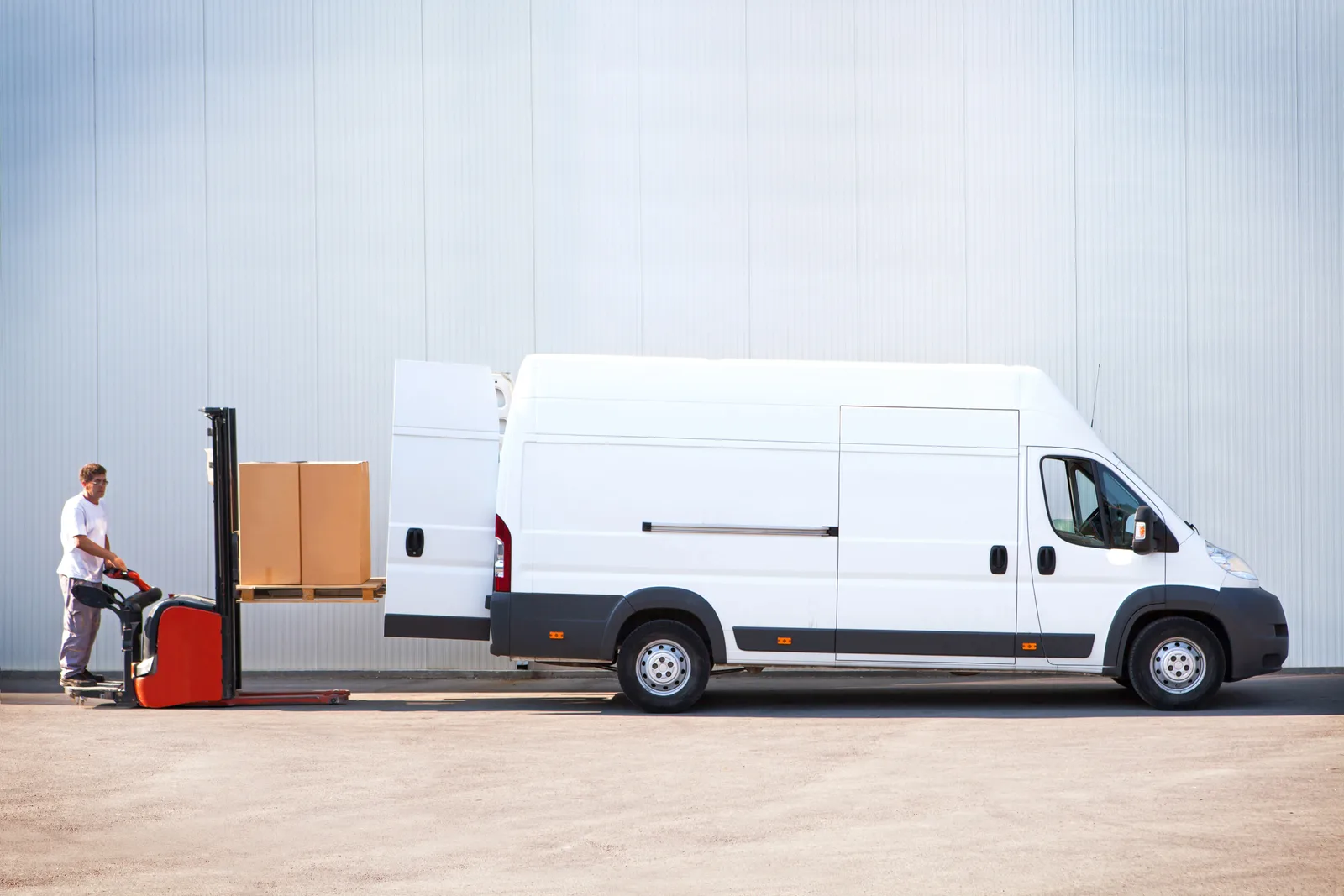
Automotive parts move on three distinct circuits in Ontario: dealer networks trading OEM parts between stores, rebuilders shipping remanufactured units and receiving cores back, and aftermarket distributors feeding independent shops from regional warehouses. Each circuit has its own rhythm, but they share one defining trait — when a bay is tied up waiting for a part, the delivery is urgent in a way most freight isn’t.
This guide covers how each of those flows works, what vehicles the freight actually needs, and how urgent runs get handled when a customer’s vehicle is on the hoist.
Dealer networks run on parts trades
Dealership parts departments constantly trade with each other. No single store stocks every part number, so when a service customer needs something the shelf doesn’t have, the parts manager checks other dealers in the region before ordering from the national depot — a dealer across the GTA can have the part in hand today, where a depot order might mean the vehicle waits.
That makes dealer-to-dealer transfers a daily fact of life: a counterperson locates the part, the two stores agree the trade, and a courier bridges the gap. The runs are usually small — a box, a bin, occasionally a bumper or a windshield — but the deadline is real because a repair order is open and a customer is waiting. Our answer page on how auto parts move between dealers walks through the mechanics of a typical trade.
Rebuilders ship heavy, and the freight flows both ways
Engine, transmission and driveline rebuilders have a two-way freight pattern. Outbound, a remanufactured unit ships to the installing shop — a dense, awkward piece of freight that belongs strapped to a pallet, not loose in a van. Inbound, the core comes back: the customer’s original unit, exchanged as part of the sale, returning to the rebuilder to enter the next remanufacturing cycle.
A few practical points for rebuilt units and cores:
- Drain fluids and cap openings before shipping. A leaking core makes a mess of the truck and everything near it.
- Bolt or strap the unit to the pallet. Stretch wrap alone will not hold an engine that shifts under braking.
- Plan for the delivery end. Many installing shops have no dock and no forklift — a tailgate (lift-gate) truck grounds the skid where a pallet jack can take it.
Rebuilders share a lot of freight DNA with machining businesses — heavy metal, skid-based, deadline-attached — and much of the advice in our machine shop freight guide applies directly.
Aftermarket distribution feeds the independent shops
Aftermarket warehouses and jobbers supply the independent repair trade: brake components, filters, suspension, electrical, fluids in packaged retail containers. The pattern here is volume and frequency — many stops, mixed cartons, the same shops replenished again and again. Some of it runs as scheduled routes; some of it is ad hoc, triggered the moment a shop sells work it doesn’t have parts for.
The distribution side looks a lot like any wholesale operation, and the route-planning logic in our wholesale distributor courier guide applies. What sets automotive apart is how often a routine replenishment turns into an urgent one-off because a specific vehicle is waiting on a specific part number.
When the vehicle is on the hoist, the run is a rush
VOR — vehicle off road — is the situation every parts operation organizes itself around. A car on the hoist with a technician assigned is burning shop time; a fleet truck out of service is losing revenue for its owner. When the missing part is located across the city or across the region, the right move is a rush delivery: the next suitable vehicle goes straight from the pickup to the destination, no other stops in between.
Direct routing is what makes a rush a rush. A parts trade riding a multi-stop route arrives when the route gets there; a direct run arrives as fast as the drive itself allows. For a bay that bills by the hour, that difference is the whole point.
Match the vehicle to the part
Automotive freight spans everything from a sensor in a padded envelope to a diesel engine on a skid, and the vehicle should match:
| Freight | Right vehicle | Why |
|---|---|---|
| Small parts, electronics, trim | Minivan | Fast in city traffic, easy at dealership parts counters |
| Exhaust sections, leaf springs, mouldings | Pickup truck | Open bed with tie-downs handles long stock that won’t fit inside a van |
| Bumpers, body panels, mixed carton orders | High-roof cargo van or Sprinter | Enclosed space for bulky-but-light freight and light skids |
| Engines, transmissions, axles, tire skids | 26-foot box truck | Skid freight up to 10,000 lbs, tailgate standard for no-dock shops |
Booking the right vehicle the first time matters more in automotive than in most industries, because so many delivery points — independent garages, body shops, small dealerships — have no receiving infrastructure. If the destination has no dock, say so when you book, and the tailgate does the rest.
Coverage that matches how parts networks actually spread
Dealer groups and aftermarket networks aren’t confined to one city. A part located “in the region” might be in Barrie, Kitchener–Waterloo, Hamilton or London — and a carrier that stops at the city limits forces you back to overnight networks. Direct service across the GTA, Golden Horseshoe and Southern Ontario, up to roughly 350 km one way, keeps the same-day option open across most of the territory an Ontario parts network actually covers.
Every run should close with proof of delivery — who signed, and when — because an open repair order needs confirmation the part landed, not an assumption. What each run costs depends on distance, urgency and vehicle; our answer on what determines courier rates in the GTA breaks the factors down.
Getting parts freight quoted
Sonic Transport runs automotive parts freight across the GTA and Southern Ontario every week — dealer trades, rebuilt units and cores, aftermarket replenishment and VOR rushes — with a fleet that ranges from minivans for counter-to-counter runs to tailgate-equipped box trucks for engines on skids. It’s strictly B2B, and you deal with a person who knows your account rather than a call centre. If you have parts moving between stores, shops or warehouses, request a quote and tell us what’s shipping and how fast it needs to land.
Frequently asked questions
What does VOR mean in parts delivery?
VOR stands for vehicle off road — a customer's vehicle that can't be driven until a specific part arrives. VOR orders are the most urgent freight in the automotive world, because every hour the part is in transit is an hour the vehicle sits and the customer waits.
How do parts departments handle core returns?
Cores — the used units exchanged when a rebuilt part is sold — usually travel back on the same lanes the new parts came in on. Many shops accumulate cores on a skid and book a pickup once it's full, or hand cores to the driver on a recurring parts route so the return travels as a backhaul.
Can a courier carry an engine or transmission?
Yes, if it's properly prepared. Engines and transmissions should be drained, secured to a pallet and shipped as skid freight. A straight truck with a tailgate can deliver them to shops without a dock or forklift, where they're moved with a pallet jack.