
When to Add a Second (or Fifth) Delivery Day to Your Route
The signals that a standing route needs another delivery day — growing backlog, crowded windows, customer pull — and how to add one without disruption.
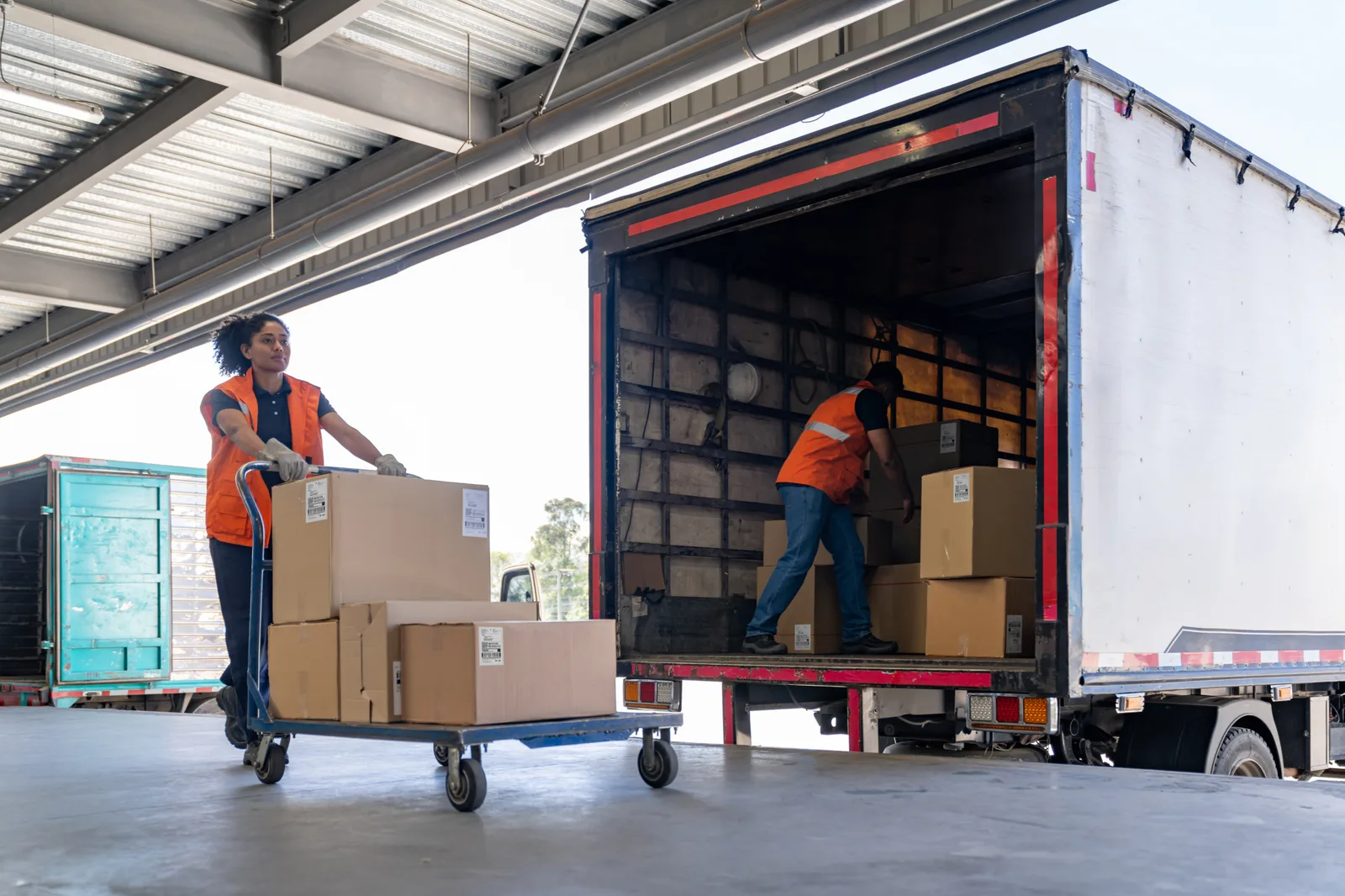
Routes rarely announce that they’re full. The signal shows up sideways — a staging area that never quite empties, route days that keep running long, a customer asking why nothing ever comes on Thursdays. Adding a delivery day to a standing scheduled route is the right move when demand has genuinely outgrown the schedule’s frequency; the skill is telling that apart from a bad week or a capacity problem that a bigger truck would solve.
Here are the signals that mean the schedule itself is the constraint — and what to check before acting on them.
Signal 1: The backlog rebuilds before the truck comes back
If freight staged for the route accumulates faster than the route days clear it, frequency is the problem. The tell is what the staging area looks like the day after a route day: it should be at its emptiest. When it’s already refilling by the next morning — orders waiting, skids stacking — freight is spending its life waiting for a truck day instead of moving.
This one is worth measuring rather than sensing. Track how long shipments sit between “ready” and “shipped” for a few weeks; if the average wait keeps climbing while volumes hold, the route isn’t coming often enough.
Signal 2: Route days keep running long
An overloaded route day stretches in a characteristic way: more freight crammed onto each run, stops taking longer, and the windows at the tail of the route slipping first. If the last stops on the run are consistently getting squeezed — receivers seeing the truck later and later, the day finishing well past where it used to — the day is carrying more than it was designed for.
One long day is traffic. A pattern of them is arithmetic, and the choices are to lighten the day or split it. Spreading the same freight across an additional day restores the windows without touching the stops.
Checking this doesn’t require instinct — the route’s own records answer it. Delivery times on the PODs and shipment updates show exactly when each stop is being reached; line a month of them up and a drifting tail is unmistakable.
Signal 3: Rush add-ons are becoming routine
The occasional urgent shipment between route days is normal life. But when rush runs between route days stop being exceptions and start being weekly habits, demand is telling you something specific: freight regularly can’t wait for the next scheduled day. A standing day where those rush runs cluster converts a recurring urgency back into routine.
The pattern to look for is regularity. A rush every few weeks on random days is noise; a rush nearly every Wednesday is a Thursday route day asking to exist.
Signal 4: Customers are pulling for days you don’t run
Customer pull is the clearest signal because it arrives in words. Customers asking whether you can deliver on off-days, timing their orders awkwardly around your schedule, or mentioning that they’ve arranged other supply for the days you don’t cover — all of it says your frequency has fallen behind what the people you serve are planning around.
This signal deserves the fastest response, because unmet delivery pull rarely stays unmet. Somebody serves it.
Rule out the cheaper fixes first
Before adding a day, confirm the constraint is really frequency — two other levers are simpler and solve different problems:
- If freight doesn’t fit the truck, the fix is capacity: a larger vehicle on the same schedule. That swap and the other soft-capacity moves are covered in flexing a standing route through volume swings.
- If the day runs long but freight isn’t waiting, the fix may be design: resequencing stops or rebalancing which stops sit on which days, per the method in designing a weekly delivery route.
The clean distinction: capacity problems are about how much moves per run; design problems are about how well the run flows; frequency problems are about how long freight waits between runs. Only the third one is fixed by a new day.
How to add the day cleanly
Once the signals agree, the addition should strengthen the schedule rather than disturb it:
- Pick the day from the data. Put it where the backlog peaks or where the rush runs cluster — the demand has already voted.
- Run it as a trial. Several weeks tells you whether the backlog clears and the day earns its freight.
- Tell customers the new rhythm. The consistency of the schedule is the product — a well-announced new day extends the pattern receivers already rely on, which is the dynamic described in the case for consistency.
- Reprice knowingly. More route days move the rate, driven by the same factors as always — distance, stops, vehicle, handling — so the change should be a calculation, not a surprise; see what determines courier rates in the GTA.
Keep the existing days’ windows untouched while the new day beds in. One change at a time keeps the route legible to everyone who plans around it.
What the added day does to the rest of the route
A well-placed new day lightens every other day, and the effects compound. Runs that were stretching to their limits shed their overflow onto the new day, so the tail-end stops get their windows back. Per-stop time pressure eases, which shows up as better handling and fewer rushed signatures on the POD. And the route regains headroom — the flex capacity that an overloaded schedule had silently spent.
Rebalancing is worth doing deliberately rather than letting freight drift to the new day on its own. Look at which stops naturally belong to it — the customers whose orders drove the addition — and move them as a group, so every day of the route ends up with a coherent geography instead of a leftover scatter.
One more honest note: days can be removed by the same logic. If a route day consistently runs light and its freight could wait for the next one without harm, dropping it concentrates volume and restores efficiency. The schedule should follow demand in both directions.
When you’re seeing the signals
If your staging area, your route days or your customers are sending any of these signals, the schedule is due for a look. Sonic Transport runs standing routes across the GTA and Southern Ontario and adjusts them as demand moves — including trialling an added day to prove it out before it becomes permanent. Tell us what your route is doing and we’ll help you read the signals and resize the schedule.
Frequently asked questions
Is it better to add a day or run a second vehicle on the existing day?
It depends on which constraint you've hit. If freight physically doesn't fit — weight or cube — a bigger vehicle or a second truck on the same day solves it. If freight is waiting too long between route days, only frequency fixes that: a second truck on Tuesday does nothing for the order that needed to arrive Thursday.
Can we trial an extra delivery day before committing to it?
Yes, and you should. Run the new day for several weeks and watch two things: whether the backlog between route days actually clears, and whether the new day attracts enough freight to justify itself. A trial answers in weeks what a debate can't answer at all.
What if the extra day is only needed part of the year?
Then make it a seasonal day — added ahead of the busy period and dropped after, agreed with the carrier in advance. Routes flex in both directions, and a day that earns its place four months a year is a normal arrangement, not a failure to commit.