
Keeping Customer Deliveries Running Through a Warehouse Move
How to keep customer deliveries running while you relocate a warehouse — split inventory, freeze windows, dedicated capacity and clear customer communication.
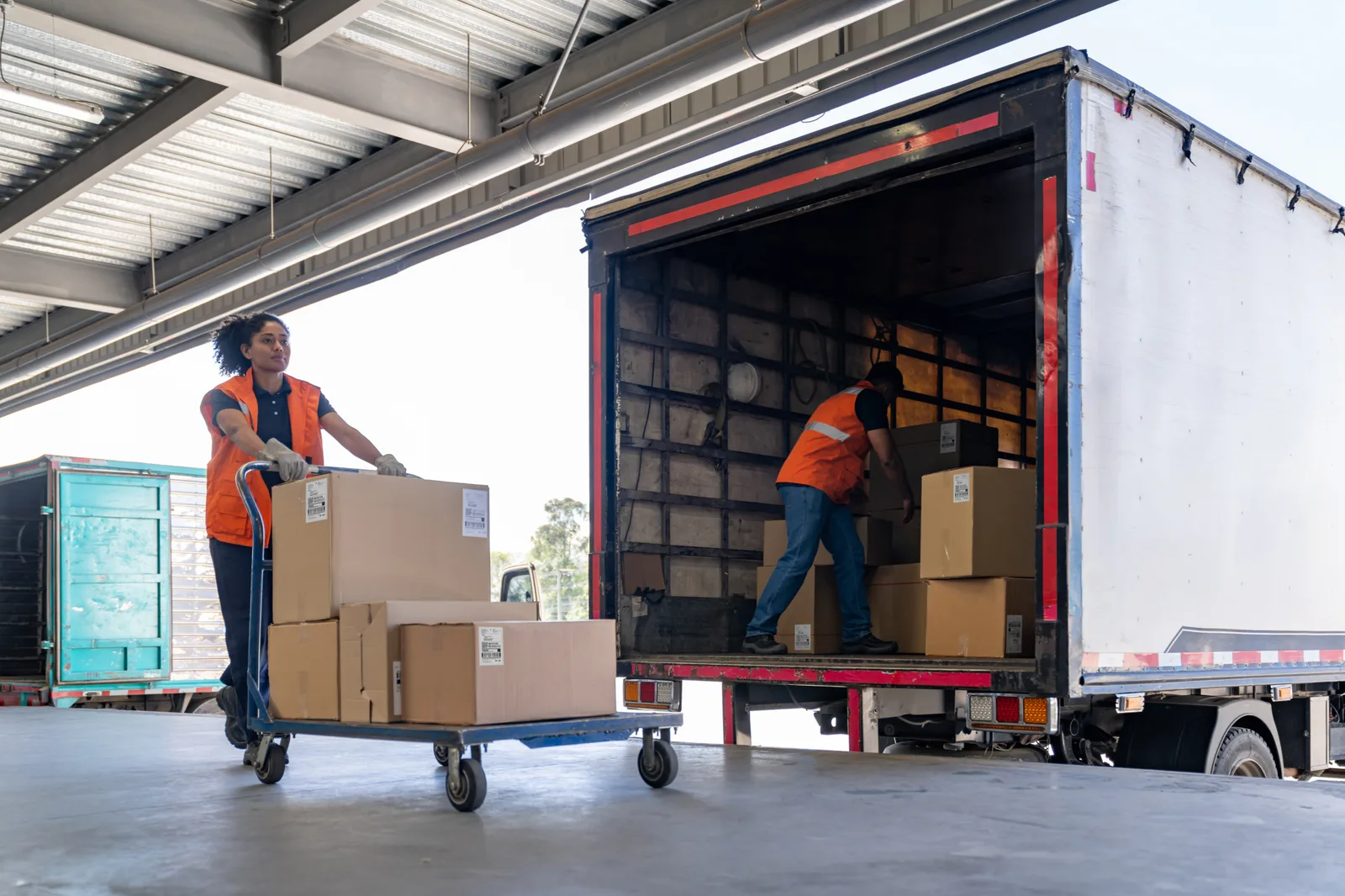
A warehouse move is judged twice: once by whether the racking got across town, and once by whether your customers noticed. The second judgment is the one that costs money, and it’s decided by planning, not effort — pre-positioning stock for critical customers, choosing an honest freeze window for everything else, reserving delivery capacity for the transition weeks, and telling customers what to expect before they have to ask. This post is about that second judgment: keeping the outbound promise while the building behind it changes.
Deliveries fail in moves for boring reasons
When customer deliveries slip during a relocation, it’s rarely the physical move itself. The failure modes are operational and predictable:
- Inventory in the wrong building. The order is due Thursday; the stock crossed town Tuesday; the pick team didn’t.
- Everyone’s attention is on the move. The people who normally chase orders are labelling racking, and outbound quietly loses its owner.
- Carrier confusion. Pickups booked from the old address arrive at an empty dock; the new site isn’t ready to load.
- Silent degradation. Nobody told customers anything, so every small slip becomes a surprise — and surprises, not delays, are what damage accounts.
Every one of these is preventable, and none of them is prevented on moving day. The work happens in the weeks before.
Map the promises before you map the racking
Start with your delivery commitments, not your floor plan. List what you owe customers through the move window: standing weekly deliveries, open orders with dates, contractual service obligations, and the handful of customers where a missed delivery does real relationship damage. Sort them into three piles:
- Cannot slip. Contractual deliveries, production-critical customers, anything feeding someone else’s line.
- Can flex with notice. Routine replenishment a customer can take two days early or three days late — if told.
- Can pause. Non-urgent orders that can sit in a short, announced freeze.
That triage drives everything else: pile one gets pre-positioned stock and reserved delivery capacity, pile two gets proactive rescheduling, pile three defines your freeze window. Without the triage, everything is treated as pile one, which means nothing actually gets pile-one treatment.
Position inventory so critical orders never depend on the move
The cleanest trick in warehouse-move continuity is making your most important deliveries independent of the move entirely. Pick and stage pile-one orders before the freeze — shipped early where customers will take it, or staged as ready-to-ship freight that can go out the door of whichever building is operational. Some operations run a small forward buffer of fast-moving SKUs at the new site before the main move, so day-one orders ship from day-one stock.
Inbound needs the same thinking in reverse. Redirect supplier deliveries in a stagger — long-lead purchase orders to the new address as soon as it can receive, fast-moving replenishment to wherever picking still happens — and update open POs explicitly, since suppliers ship to the address on the order, not the address in your head. Controlling your own inbound makes this dramatically easier, which is one more argument for the approach in our guide to inbound freight routing. During the overlap, some shipments may effectively cross-dock through the new building — arriving inbound and going straight out as customer orders without being put away; the answer page on cross-docking explains the pattern.
Reserve delivery capacity for the transition
During the move window, your freight gets less predictable exactly when your carrier flexibility matters most: orders shipping from two addresses, staged freight going out in bursts, the occasional urgent shuttle between old and new buildings. Two arrangements cover it.
First, brief your regular carrier properly — both addresses, the date ranges each is active, contacts at each site, and which building each standing pickup runs from on which week. A carrier who learns about your move from a driver at an empty dock is a carrier you set up to fail.
Second, for the weeks around the switchover, consider putting your critical deliveries on a dedicated vehicle arrangement — a truck and driver reserved for your work, running your schedule. Move-window freight is exactly what dedicated service is for: capacity that doesn’t compete with anyone else’s freight during the period when your own operation has the least slack to absorb a missed pickup. The same vehicle can sweep old-building stragglers, run new-building orders and shuttle the urgent in-betweens, under one point of contact.
To be clear about scope: this is about keeping customer freight moving. The racking, the equipment, the building contents — that’s a relocation project with its own specialists, and not the subject here.
Tell customers early, precisely, and once more than feels necessary
Customer communication is the cheapest insurance in the whole project. Weeks ahead, tell affected customers the move dates, the freeze window if one applies to them, any changed delivery days, and the new pickup address if they collect. During the window, communicate shipment-by-shipment like it’s winter: confirm what’s booked, flag anything at risk before the customer feels it, and close every delivery with a POD as usual. The rhythm is the same one described in our post on shipment communication expectations — booked, moving, delivered — just run with the volume turned up.
Internally, give outbound an owner for the move window: one person whose job is customer deliveries, explicitly not the move. When everyone owns the move, no one owns Thursday’s orders. Give that person real authority too — the standing to pull stock forward, bump a shipment onto the reserved vehicle, or call a customer directly — because an owner who has to ask the move team for permission is a spectator with a title.
After the switch: stabilize before you optimize
Once shipping runs from the new building, resist declaring victory for a couple of weeks. Watch the pile-one customers’ deliveries land, confirm standing pickups are running from the right dock, chase the stragglers still routed to the old address, and get the new site’s receiving and shipping routine settled — the setup work covered in our guide to opening a new facility applies double when the facility inherits a live order book on day one.
Sonic Transport helps GTA, Golden Horseshoe and Southern Ontario businesses keep B2B deliveries running through transitions like this — dedicated vehicles for the critical window, standing routes rebuilt around the new site, and a person who knows your account across the whole move. If a relocation is on your calendar, tell us about your delivery commitments and we’ll plan the freight side with you.
Frequently asked questions
How long before a warehouse move should we start planning delivery continuity?
Start when the move date is set — for most operations that means a few months out. The long-lead items aren't trucks; they're inventory positioning, supplier redirection and customer communication, all of which take longer than expected and all of which determine whether delivery performance survives the move.
Should we pause customer deliveries during the move?
Pause only what you must, and tell customers precisely. A short, clearly communicated freeze on non-urgent orders is far better than weeks of quietly degraded service. Critical deliveries shouldn't pause at all — they should ship from pre-positioned stock or move on capacity reserved for exactly this period.
When do we redirect suppliers to the new warehouse?
Stagger it. Redirect long-lead and non-urgent inbound to the new site as soon as it can receive, but keep fast-moving replenishment flowing to wherever picking is actually happening until the switchover. The mistake to avoid is a hard cutover date that leaves inbound arriving at a building with no one to receive it.