
Toronto to Kitchener–Waterloo: A Working Freight Lane
The Toronto to Kitchener–Waterloo lane is roughly 100 km of 401 and Highway 8. What ships on it, how direct runs work, and when a scheduled route fits.
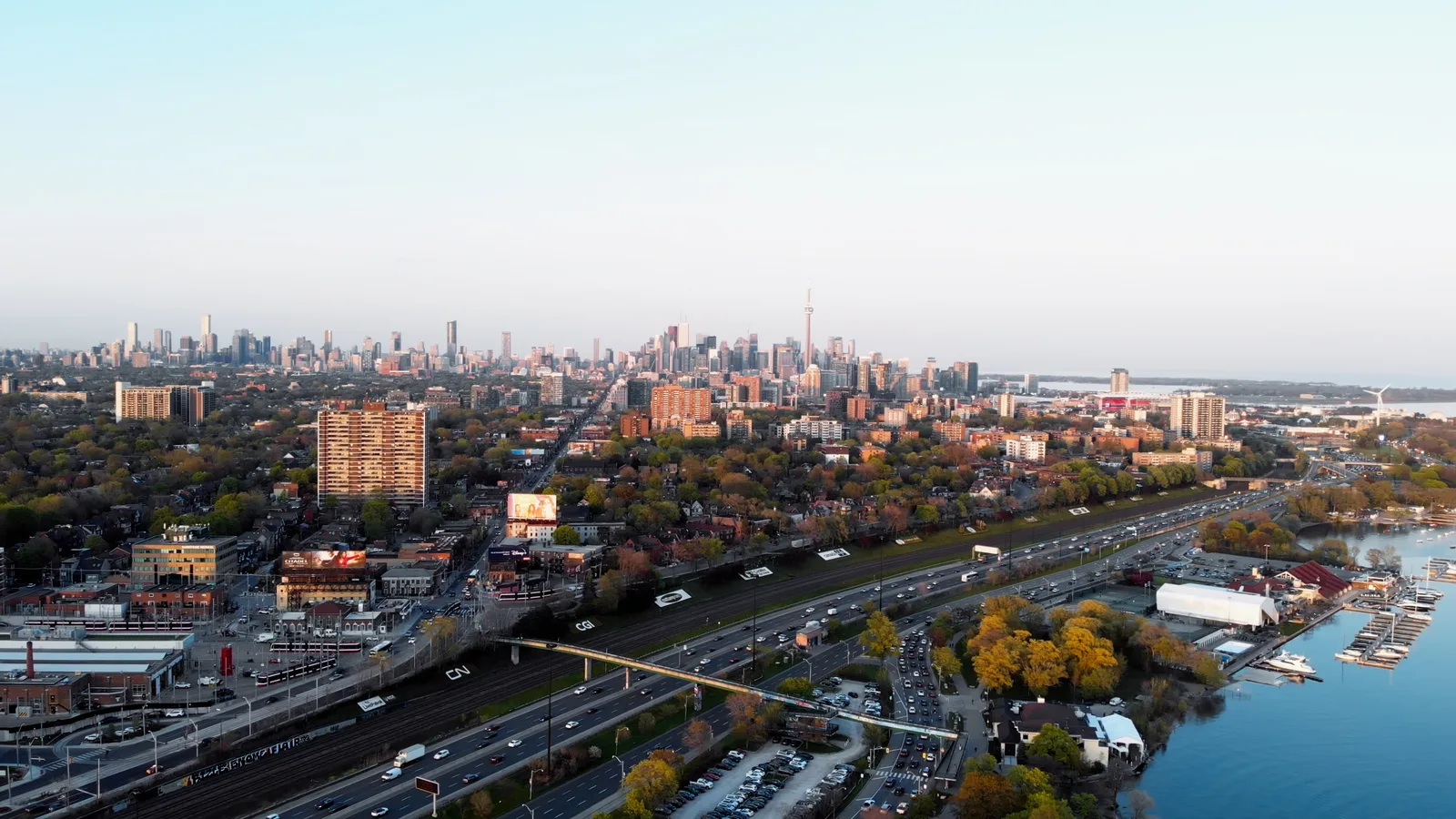
Some freight lanes are occasional; Toronto to Kitchener–Waterloo is a daily rhythm. Roughly 100 km separates the two, almost all of it 401 and Highway 8, and the traffic in freight terms runs both ways all week: GTA distributors feeding K–W manufacturers and tech companies, and Tri-Cities plants shipping finished work back east. This is what the lane looks like from the dispatch side — what moves on it, how a direct run covers it, and when a different service model makes better sense.
What actually moves on this lane
The freight mix reflects who’s at each end. Out of the GTA travel raw material and components for K–W manufacturers, palletized product replenishing regional distributors, and equipment or hardware bound for the tech sector’s offices and labs. Coming back east are finished goods, fabricated parts heading into GTA assembly and construction supply chains, and returns or warranty units moving to depots.
Two features stand out from a carrier’s seat. First, the lane is skid-heavy — most shipments are palletized, which is our home ground given that roughly 60% of Sonic Transport’s volume involves skids and pallets. Second, the receivers vary widely: a dock-equipped plant in a Kitchener industrial park and a no-dock office in Waterloo can be the same day’s deliveries. That variety is why the delivery details you give at booking matter as much as the freight details.
The route: 401 west, Highway 8 in
The run is simple to describe. From Toronto or anywhere in the western GTA, the vehicle takes the 401 west past Milton and the Cambridge interchanges, then exits onto Highway 8, which feeds the Conestoga Parkway — the expressway spine that distributes traffic through Kitchener and up into Waterloo. Total drive: roughly an hour and a bit in normal conditions, with congestion through Mississauga and Milton the usual variable.
Because the routing is nearly all controlled-access highway, transit on a direct run is close to pure drive time plus handling. We keep the timing discussion honest — estimates, not promises — and the standalone version lives in our answer on how long freight takes from Toronto to Kitchener.
Direct runs: how the lane is best served
A direct run gives this lane what its typical freight needs — a single vehicle carrying one shipper’s goods from pickup straight to delivery. Nothing is cross-docked, nothing waits at a terminal, and the schedule contains nobody else’s stops. For a plant waiting on components or a project team waiting on hardware, that structure is the whole value: the freight is moving the entire time it’s away from you.
The same-day direct service covers the lane in both directions and at every freight size, from a minivan running one urgent carton to a box truck delivering a full multi-skid order with tailgate service at a no-dock address. Same-day beyond the GTA’s borders surprises some shippers; the short answer to whether same-day works outside the GTA is yes — K–W is a textbook case, sitting well inside the roughly 350 km one-way direct range.
When a one-off booking is the wrong tool
Plenty of shippers on this lane don’t need a courier occasionally — they need the same run every week. A GTA warehouse replenishing a K–W operation every Tuesday and Thursday, or a manufacturer with a standing daily transfer, is better served by a scheduled route: the run recurs on set days, the vehicle and timing are consistent, and nobody rebooks from scratch each time.
The judgment call between one-off direct runs, scheduled service, and economical next-business-day freight is exactly what a carrier relationship is for. Sonic Transport’s model is personal service — a person who knows your account and your lanes, not a call centre — and every run, recurring or one-off, closes with proof of delivery so the record is never in doubt.
The lane’s neighbours
Freight on this corridor rarely respects city limits. Cambridge sits directly on the route where Highway 8 leaves the 401, and pairing a Cambridge stop with a Kitchener or Waterloo delivery on one run is often cheaper than two bookings — see our page on commercial courier in Cambridge for that end of the Tri-Cities. Guelph hangs just north of the 401 a few interchanges east, close enough to join a run as well.
For the destination market in full — industrial areas, vehicle matching, the manufacturing and tech mix — read the companion city page on courier service in Kitchener–Waterloo. And for how this lane connects to the GTA’s own industrial geography at the origin end, our guide to GTA industrial corridors maps where most of these runs begin.
Putting freight on the lane
Booking works from four facts: dimensions, weight, loading conditions at both ends, and the deadline. On this lane, add one more — whether the shipment might recur. A one-time skid and the first run of a weekly rhythm price and plan differently, and it’s worth saying which one you’re starting.
If you have freight moving between the GTA and Kitchener–Waterloo, in either direction, request a quote — Sonic Transport runs this lane from our Mississauga base, strictly B2B, and a real person will set up the run that fits.
Frequently asked questions
How far is Kitchener–Waterloo from Toronto for freight purposes?
Roughly 100 km, travelled almost entirely on the 401 and Highway 8 into the Conestoga Parkway. On a direct run, transit is essentially that drive plus loading and unloading — short enough that same-day service in either direction is routine.
Does freight on this lane always ride a big truck?
No. The vehicle matches the freight: minivans and cargo vans handle small urgent shipments and cartons, Sprinters take light skids, and 26-foot box trucks with tailgates carry multi-skid loads up to about 10,000 lbs. Right-sizing the vehicle is part of how the run is priced.
Can one run serve both Kitchener and Waterloo addresses?
Yes, and it's common. The two cities share a road network via the Conestoga Parkway, so a direct run can deliver in Kitchener and continue to a Waterloo stop on the same trip. Flag both stops at booking so the routing and handling time are planned in.