
Sprinter Van Courier in the GTA: Fast, Enclosed, Surprisingly Roomy
What a high-roof Sprinter van actually carries, why standing-height cargo space changes loading, and when a Sprinter beats a cargo van or box truck.
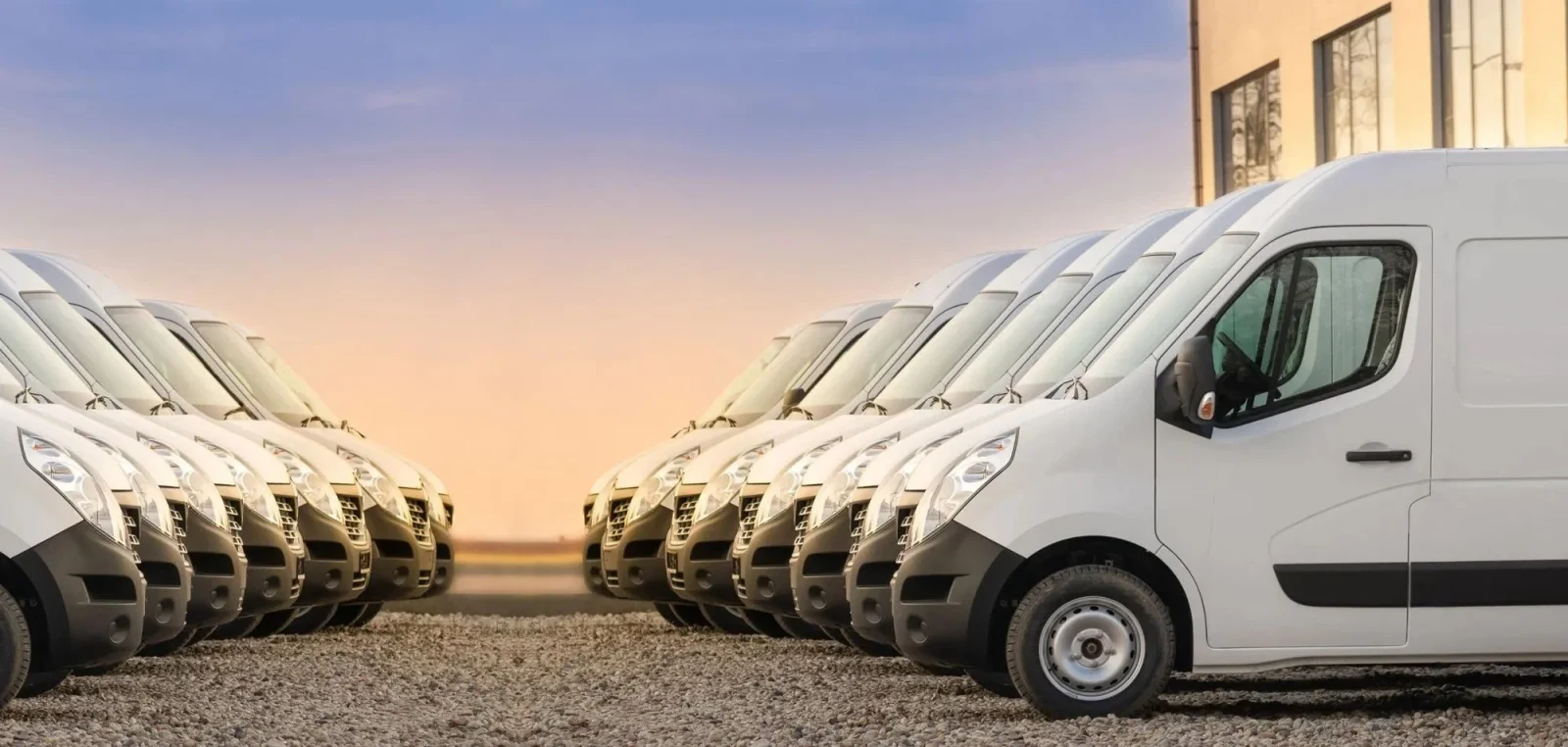
The high-roof Sprinter sits in a sweet spot for GTA courier work: enclosed and weather-tight like any van, nimble enough for city traffic, and tall enough inside that a driver can stand upright and stack freight properly. If your shipment is bigger than a car-boot load of boxes but doesn’t justify a truck, this is usually the vehicle a dispatcher reaches for.
At Sonic Transport, high-roof cargo vans and Sprinters do a specific job in the fleet: bulk cartons, light skids and route work across the GTA, Golden Horseshoe and Southern Ontario. Most of it runs as same-day direct service — one pickup, straight to the destination, no terminals in between. This post covers what the vehicle is genuinely good at, and just as importantly, where it stops being the right call.
What a Sprinter is built to carry
The short answer: mid-size B2B freight that benefits from enclosed transport but doesn’t need a truck. In practice that looks like:
- Bulk carton runs — dozens of boxes moving from a distributor to a customer, or between your own locations.
- Light skids — palletized freight within the van’s payload, loaded by forklift or from a dock.
- Fixtures and displays — retail fixtures, signage, exhibition materials that are bulky but not heavy.
- Packaged equipment and parts — machine components, IT hardware, printed materials, anything boxed and stackable.
- Awkward mid-size pieces — items too long or tall for a smaller vehicle but nowhere near a truckload.
The common thread is volume rather than weight. A Sprinter’s cargo bay swallows a surprising amount of cubic space; what it doesn’t do is carry the multi-tonne payloads or run the tailgate work that belongs on a 26-foot box truck.
Standing height changes more than driver comfort
Interior height sounds like a comfort feature, but it changes how freight actually moves. In a high-roof van, most people can stand fully upright in the cargo area — which means:
- Freight stacks vertically and safely. A driver who can stand can build stable tiers, keep heavy pieces low and use the full cube instead of just the floor.
- Loading is faster. Walking cartons in upright beats crouching through a low roofline a hundred times a day.
- Mid-route retrieval works. On multi-stop runs, the driver can walk in, find the right pieces for this stop and leave the rest undisturbed — no unloading half the van at the curb.
That last point is why high-roof vans anchor so much route work. When one vehicle serves several delivery points in a day, the cargo area functions like a small rolling warehouse, and standing height is what makes it organized instead of chaotic.
Enclosed means protected — and out of sight
Every Sprinter load rides inside a locked, hard-sided cargo body, out of the weather and out of view. For B2B freight that matters twice over: rain and road grime never touch the cartons, and nothing advertises itself at a red light. Freight is handled at pickup and delivery and rides untouched in between — a claim worth understanding in more detail in our answer on whether courier freight is enclosed and secure.
Inside the cargo bay, freight rides properly restrained rather than loose. Cartons stack against the bulkhead and walls in tiers that support each other; anything that could shift on a hard stop gets strapped or braced. It’s unglamorous discipline, but it’s why a van load arrives looking the way it was packed.
Direct routing amplifies the benefit. On a direct run there’s no cross-docking and no re-handling at a terminal, so what leaves the shipper’s hands is exactly what arrives — same boxes, same condition, same day. The run closes the way every freight shipment should: a signed proof of delivery and shipment updates along the way, so nobody is left wondering where the cartons went.
Sprinter vs. minivan vs. box truck
The Sprinter is the middle of a three-step ladder, and choosing well means knowing what sits on either side:
| Vehicle | Built for | Typical freight |
|---|---|---|
| Minivan | Small, urgent, city-fast | Boxes, cases, samples, small parts |
| High-roof van / Sprinter | Volume without heavy weight | Bulk cartons, light skids, route work |
| 26-foot box truck | Weight, skid count, tailgate work | Multiple pallets, up to 10,000 lbs |
Two rules of thumb from the dispatch desk. First, if the freight is a handful of boxes, don’t pay for empty van space — a minivan does the job. Second, if any skid needs to be grounded at a location without a dock or forklift, the tailgate decides the vehicle, and vans don’t have one.
When a Sprinter is the wrong vehicle
An honest carrier will talk you out of a Sprinter in a few situations:
- Heavy pallets. Payload, not floor space, is the binding constraint. Dense freight — metal, machinery, tile — hits the weight ceiling long before the van looks full.
- Tailgate deliveries. No van carries a lift-gate. Skids going to a no-dock address travel by box truck.
- Multi-skid orders. Two or three light skids may fit; a proper multi-pallet order rides better, and often prices better, on one truck than on two vans.
- Oversize single pieces. Very long or very tall items need a vehicle matched to their exact dimensions — flag these measurements early.
None of these are failures of the vehicle; they’re the boundaries of its job. The wider decision framework is covered in our guide to choosing the right vehicle size for a shipment, but the practical version is simple: describe the freight accurately and let dispatch pick the vehicle.
What booking a Sprinter run looks like
There’s no special process — you book the shipment, not the vehicle. Tell the carrier what’s moving (piece count, dimensions, weight), where it’s going, and when it needs to arrive. If the freight profile fits the high-roof van class, that’s what gets assigned; if it’s borderline, a good dispatcher asks the one or two questions that settle it.
Where the Sprinter class shines is turnaround. A van can be loaded at a dock or by hand at a ground-level door, threads through city traffic, and parks close to the delivery point at addresses that would leave a truck circling the block. For same-day freight inside the GTA and out to Hamilton, Guelph, Kitchener–Waterloo or Barrie, that agility is often the difference between a delivery that lands comfortably inside the business day and one that doesn’t.
If you have carton volume, a light skid or a recurring route that sounds like Sprinter work, tell us what’s shipping — a real person at Sonic Transport will size the vehicle to the freight and quote the run.
Frequently asked questions
Can a skid go in a Sprinter van?
A light skid can, provided both ends of the shipment can load and unload it — a forklift or a dock. Vans don't carry tailgates, so if the skid has to be grounded at street level, the shipment belongs on a box truck with a lift-gate instead.
Is a Sprinter better than a box truck for city deliveries?
For freight that fits, usually yes. A van manoeuvres and parks where a 26-foot truck struggles, which matters at tight commercial addresses, older plazas and busy downtown blocks. The box truck wins the moment weight, skid count or tailgate needs exceed what a van can do.
How do I know if my shipment fits in a Sprinter?
Give the carrier your piece count, dimensions and total weight when you request a quote. A dispatcher matches freight to vehicles all day and will tell you straight whether it's a van load or a truck load — guessing yourself risks paying for the wrong vehicle.