
From Licensed Producer to Store Shelf: The OCS Distribution Flow
The public-record path recreational cannabis takes in Ontario — licensed producer to OCS distribution to authorized retail — and what each leg means for freight.
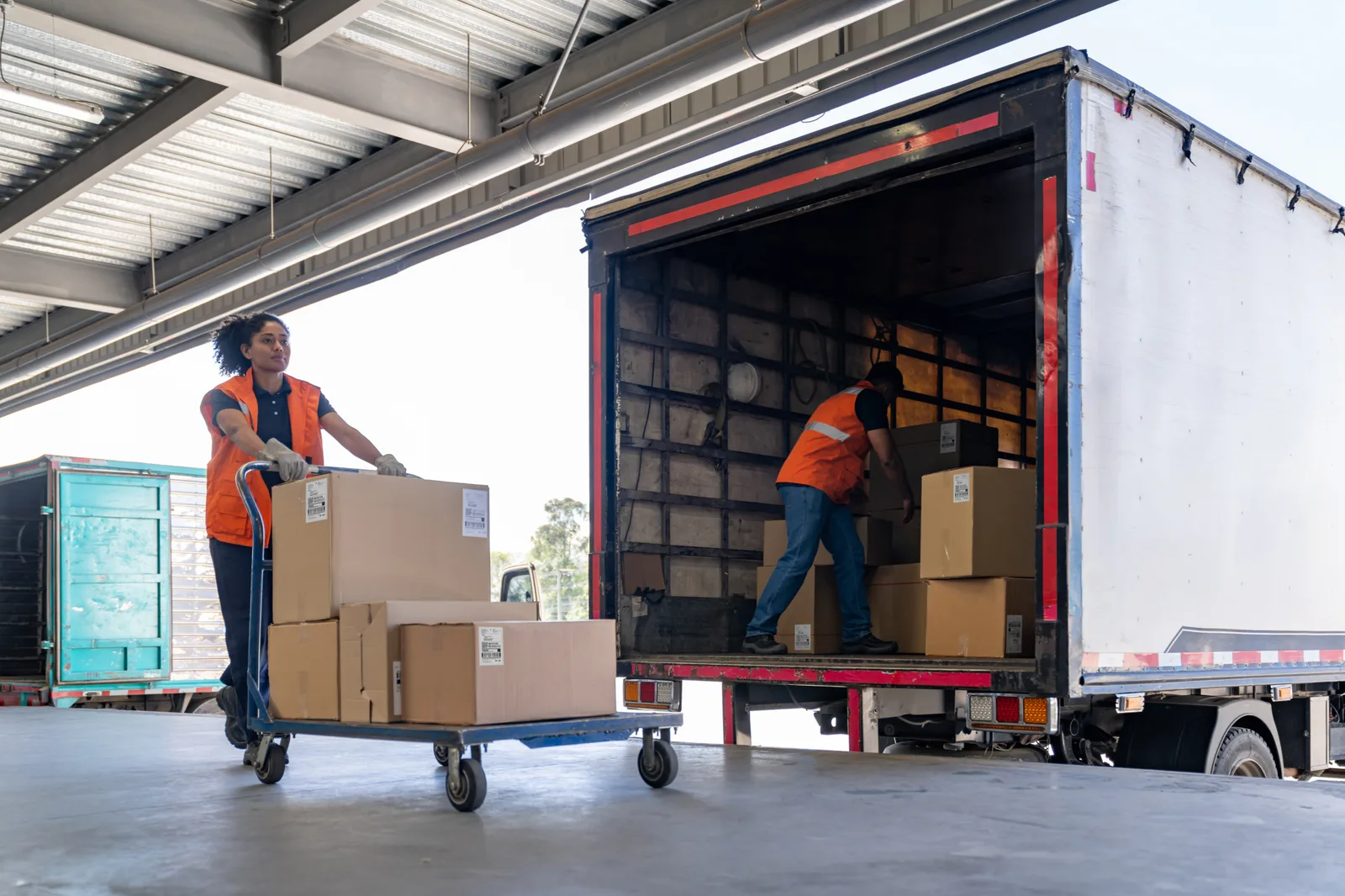
Follow a case of legal cannabis from the room where it’s packaged to the shelf where it’s sold in Ontario, and the journey has exactly two freight legs: from a federally licensed producer into Ontario Cannabis Store distribution, and from OCS distribution out to an AGCO-authorized retail store. One product, one wholesale step, two truck rides. That simplicity is by design — Ontario put a single exclusive wholesaler between production and retail, and the entire recreational flow is shaped by it.
This post traces the flow leg by leg, sticking to what’s on the public record. Where the details live inside private operations or shifting program rules, we’ll say so and point you to the source.
Leg one: licensed producer to OCS distribution
The flow begins at a production site licensed by Health Canada under the Cannabis Act. By the time freight ships, the compliance work is done: product is packaged and labelled to the federal rules and sealed into shipping cases, typically palletized like any other case goods.
From there it travels to OCS distribution as B2B freight — dock to dock, sealed, documented, moving under the security and documentation expectations licence holders place on their carriers. What producers weigh on this leg (documentation, sealing, routing, carrier fit) is its own subject, covered in our shipping guide for licensed cannabis producers.
The wholesale step in the middle
The OCS is the province’s exclusive wholesaler of recreational cannabis to authorized retailers — the narrow waist of the hourglass. Producers across Canada sell into it; every authorized store in Ontario buys wholesale stock through it. Between the two freight legs, inbound product from many producers is consolidated and then flows outward against store orders.
That’s where the public record sensibly stops. How the OCS runs its internal operations — its systems, processes and facility workings — is its business, not something to speculate about in a blog post. For channel requirements, current programs and anything operational, the OCS itself is the source. What matters for understanding the flow is the shape: many producers in, one wholesale step, many stores out.
Leg two: OCS distribution to authorized stores
The outbound leg is retail replenishment: orders placed by AGCO-authorized stores, fulfilled from OCS distribution, delivered to store doors across the province. As freight, it looks like this:
- Palletized or case-level shipments sized to each store’s order, sealed in transit.
- Recurring rhythm — stores reorder continuously, so deliveries repeat on a cadence rather than arriving as one-offs.
- Documented handoffs at the store door: counts verified, condition checked, proof of delivery signed, exceptions noted on the spot.
Regional distribution of this shape — freight fanning out from a distribution point to business doors across Southern Ontario on a next-business-day rhythm — is classic next-day LTL territory: shipments sharing a truck with freight heading the same way, delivered on a predictable schedule. It’s also where delivery equipment starts to matter. Retail plazas often have no dock and no forklift, so palletized replenishment grounds at street level by tailgate — a booking detail, not a delivery-day discovery. The store’s side of the handoff, and why replenishment rewards route discipline, is covered in cannabis retail replenishment logistics.
What the flow means if you ship within it
A few practical implications fall out of the structure:
- Every shipper in the chain is a licence holder or the wholesaler — producers, the OCS, authorized retailers. Carriers don’t hold cannabis licences; under the federal framework they transport on behalf of licence holders in the course of business, and they earn the work through security and documentation, not permits.
- The two legs want different service models. Producer-to-OCS freight is scheduled, palletized, dock-to-dock; store replenishment is recurring multi-stop work. Matching the service model to the leg is most of the logistics decision.
- The paperwork is the product, almost. Everyone in the chain carries record-keeping obligations, so the freight’s paper trail — custody records, seal verification, signed PODs — is what makes the physical flow auditable.
For the full regulatory map around this flow — who licenses what and where the boundaries sit — see the Ontario cannabis supply chain, explained for operators.
Where the public record ends — and where to verify
Everything above is the stable, public shape of the system: Health Canada licenses production, the AGCO authorizes retail, the OCS sits between them as exclusive wholesaler, and freight connects the three. The details underneath — program mechanics, channel requirements, anything consumer-facing — change, and they change without updating anyone’s blog posts. Verify current rules with Health Canada, the AGCO and the OCS before making decisions that depend on them.
Sonic Transport runs the kinds of lanes this flow is made of: scheduled, documented B2B freight across the GTA, Golden Horseshoe and Southern Ontario, from single-skid deliveries to recurring multi-stop routes, with sealed-load handling and a signed POD on every run. If your freight moves inside a regulated flow, tell us about the lane and a real person will figure out the right way to run it.
Frequently asked questions
Does all recreational cannabis sold in Ontario stores pass through the OCS?
The OCS is the province's exclusive wholesaler of recreational cannabis to authorized retailers, so the wholesale step runs through it. Specific programs and their mechanics have been introduced and adjusted over time, so verify the current details with the OCS and the AGCO.
Who moves the freight on each leg of the flow?
The parties in the chain arrange transportation for their shipments, and under the federal framework common carriers may transport cannabis on behalf of licence holders in the course of business. The carrier doesn't hold a cannabis licence — the shipper and receiver do — and it works under the security and documentation terms they set.
Is the medical cannabis flow the same as this one?
No. Medical cannabis moves through a separate federal channel administered by Health Canada, in which registered patients obtain product from federally licensed sellers. It doesn't route through OCS wholesale or AGCO-authorized recreational stores.
What does cannabis freight physically look like on these legs?
Sealed shipping cases, usually stacked and stretch-wrapped on skids like other B2B case goods. The consumer-level packaging compliance is handled inside the case by the licence holder; what moves on the truck is inventoried, palletized freight with seal numbers recorded and counts verified at both ends.