
Shipping Considerations for Licensed Cannabis Producers
What licensed producers weigh when shipping cannabis B2B — shipment types under the federal framework, documentation, security expectations and carrier fit.
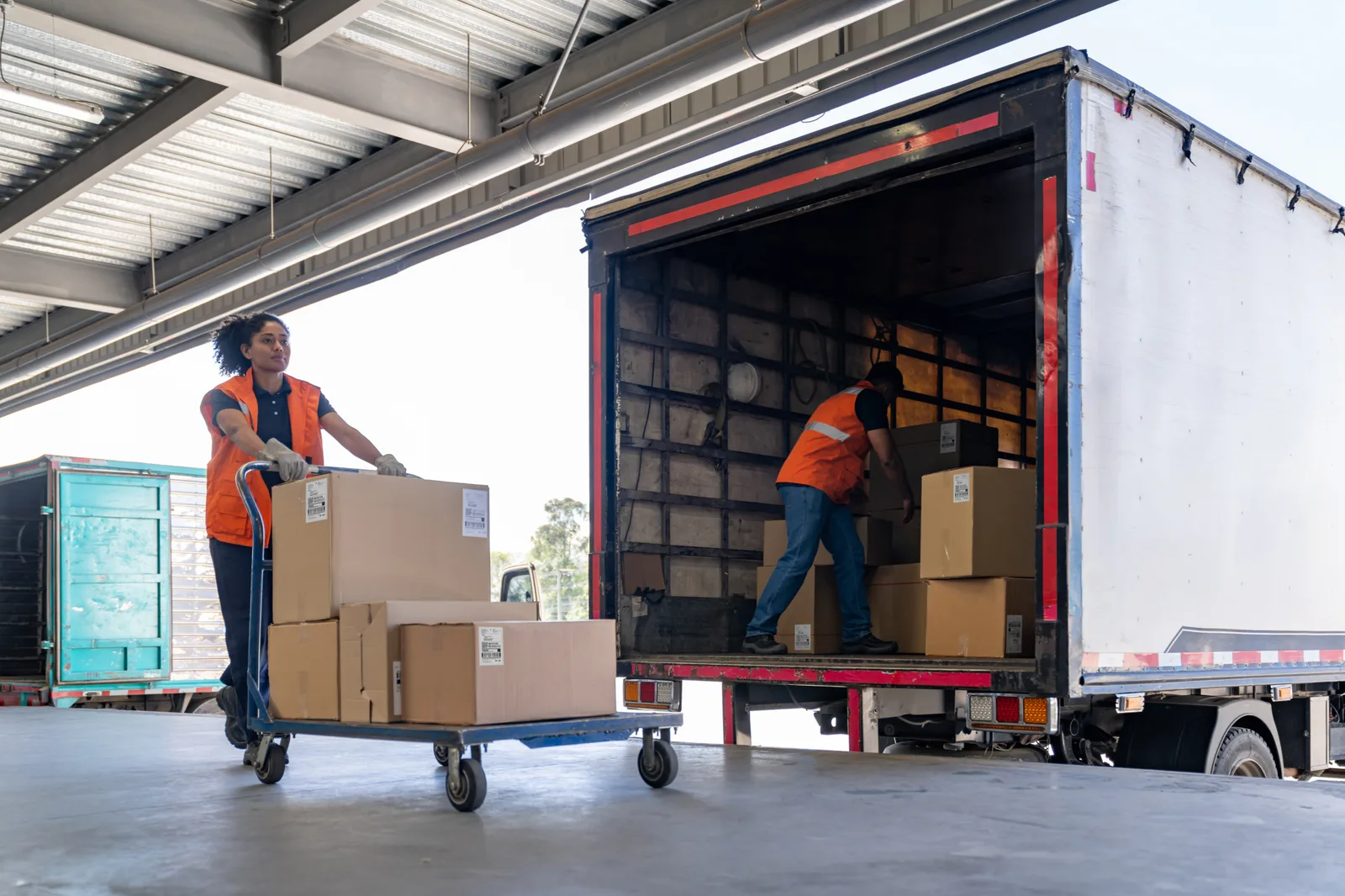
For a licensed cannabis producer, shipping is where regulatory life gets physical. Everything the licence governs — custody, records, security — has to survive contact with a loading dock, a truck and a few hundred kilometres of Highway 401. The good news is that the freight side of the job is well understood: producers ship along a small set of defined lanes, the documentation expectations are knowable, and the carrier’s role is clear. This guide covers what producers actually weigh when putting product on a truck.
One framing note up front: nothing here is legal or regulatory advice. What your licence permits is defined by the licence and by Health Canada — treat this as an operator’s orientation, not an authority.
The shipments a producer actually runs
Producer freight in Ontario concentrates into a few B2B patterns:
- Finished product to OCS distribution. The main commercial lane — packaged, labelled product sold into the provincial wholesale channel. The downstream path is described in the OCS distribution flow explained.
- Licence holder to licence holder. Federally permitted movements such as bulk product going to a processor, or inputs moving between sites, subject to what each licence allows.
- The medical channel. A separate, federally administered stream with its own rules — if you operate in it, Health Canada is your reference point.
Every one of these is business-to-business freight between parties authorized to possess the product. The carrier connecting them doesn’t hold a cannabis licence and doesn’t need one; under the federal framework, common carriers may transport cannabis on behalf of licence holders in the course of business.
Documentation: what travels with the freight
Producers live under record-keeping and reporting obligations, so shipment paperwork isn’t clerical overhead — it’s an extension of the compliance system. In practice, a well-documented shipment means:
- Shipping documents identifying shipper, receiver and the freight, prepared by the producer as the licence holder.
- Custody records at every handoff: who released the freight, who took it, when. No undocumented stage between docks.
- Proof of delivery — a signed, timestamped record that the named receiver accepted the freight, closing the loop the pickup record opened.
- Exception records whenever anything deviates: a delay, a damaged case, a count discrepancy, documented at the moment it’s found.
The producer owns its regulatory records; the carrier’s job is to generate clean field data that feeds them. When evaluating carriers, ask to see what their paperwork actually looks like — a sample POD tells you more than a sales pitch.
Security expectations between docks
Licensed sites are built around physical security, and shippers reasonably expect the standard not to collapse the moment freight rolls off the dock. In transit, that translates into expectations that have become standard for cannabis work: sealed loads that stay sealed from door to door, direct routing with no cross-docking or unplanned stops, freight that is never left unattended in unsecured locations, and immediate reporting when anything unusual happens.
These are contractual and security expectations set by licence holders rather than a statutory checklist for carriers — which is exactly why producers should spell them out in carrier agreements and confirm the carrier can operationally deliver them. Our post on security and documentation in cannabis transport describes each practice in detail.
Matching the service model to the freight
Most producer freight wants the same shape of service: one vehicle, one driver, straight through. That’s dedicated service — the truck carries your freight alone, from your dock to the destination, with no other shipments aboard and no terminal handling. For regulated product, the case is simple arithmetic: every touch a shipment avoids is a custody event that doesn’t need documenting and a risk that doesn’t need managing.
Palletized loads are the norm — producers ship case goods on skids, and carriers handle them like any other palletized freight, with the added discipline the category demands. Vehicle fit matters too: a straight truck handles most producer shipments, and loads beyond roughly 10,000 lbs or full truckloads move by semi, which a regional carrier can arrange through transportation partners.
Working with a carrier as a licence holder
The producer–carrier relationship works best when it’s treated as an operational partnership rather than a transaction. Concretely:
- Put expectations in writing. Sealing, routing, reporting timelines, documentation format — in the agreement, not in assumptions.
- Prefer consistency. A consistent driver on a recurring lane learns your site procedures, your receiver’s dock and your paperwork. That familiarity is a security feature.
- Plan lanes, not shipments. If product moves weekly, build a standing schedule instead of booking one-offs — recurring lanes get better execution.
- Test the exception path. Ask the carrier exactly what happens, and how fast you hear, when a run goes sideways. The answer reveals more than any brochure.
The wider regulatory context — who licenses what, and why carriers don’t hold cannabis licences — is covered in our guide to how licensed B2B cannabis transport works in Ontario. And as rules evolve, verify current requirements directly with Health Canada, and with the AGCO and OCS where the Ontario channel is involved.
Sonic Transport runs secure, documented B2B freight across the GTA, Golden Horseshoe and Southern Ontario — dedicated trucks, sealed loads, custody records at every handoff and proof of delivery on every run. If you’re a licence holder planning your shipping program, tell us about your requirements and a real person will work through the lane with you.
Frequently asked questions
Does the carrier moving a producer's freight need its own cannabis licence?
No. Under the federal framework, common carriers may transport cannabis on behalf of licence holders in the course of business — the licences belong to the producer and the receiving party. The carrier's obligations are contractual: custody, security and documentation to the standard the licence holders require. Verify current requirements with Health Canada.
Can a licensed producer ship to another licensed producer?
Business-to-business movements between licence holders — such as bulk product travelling to a processor — happen under the federal framework, subject to what each party's licence permits. What any specific licence allows is a question for the licence itself and for Health Canada, not for a general article.
What happens if a producer's shipment is delayed or damaged in transit?
The carrier is expected to report the incident to the shipper promptly and document what happened, because licence holders carry their own record-keeping and reporting obligations. Disposition of affected product is the licence holder's call, made within its regulatory obligations — the carrier's job is accurate, immediate information.