
Cross-Border and Long-Haul Shipping Through Transportation Partners
How cross-border and long-haul freight works when your regional courier arranges it through transportation partners — one contact, plus customs basics.
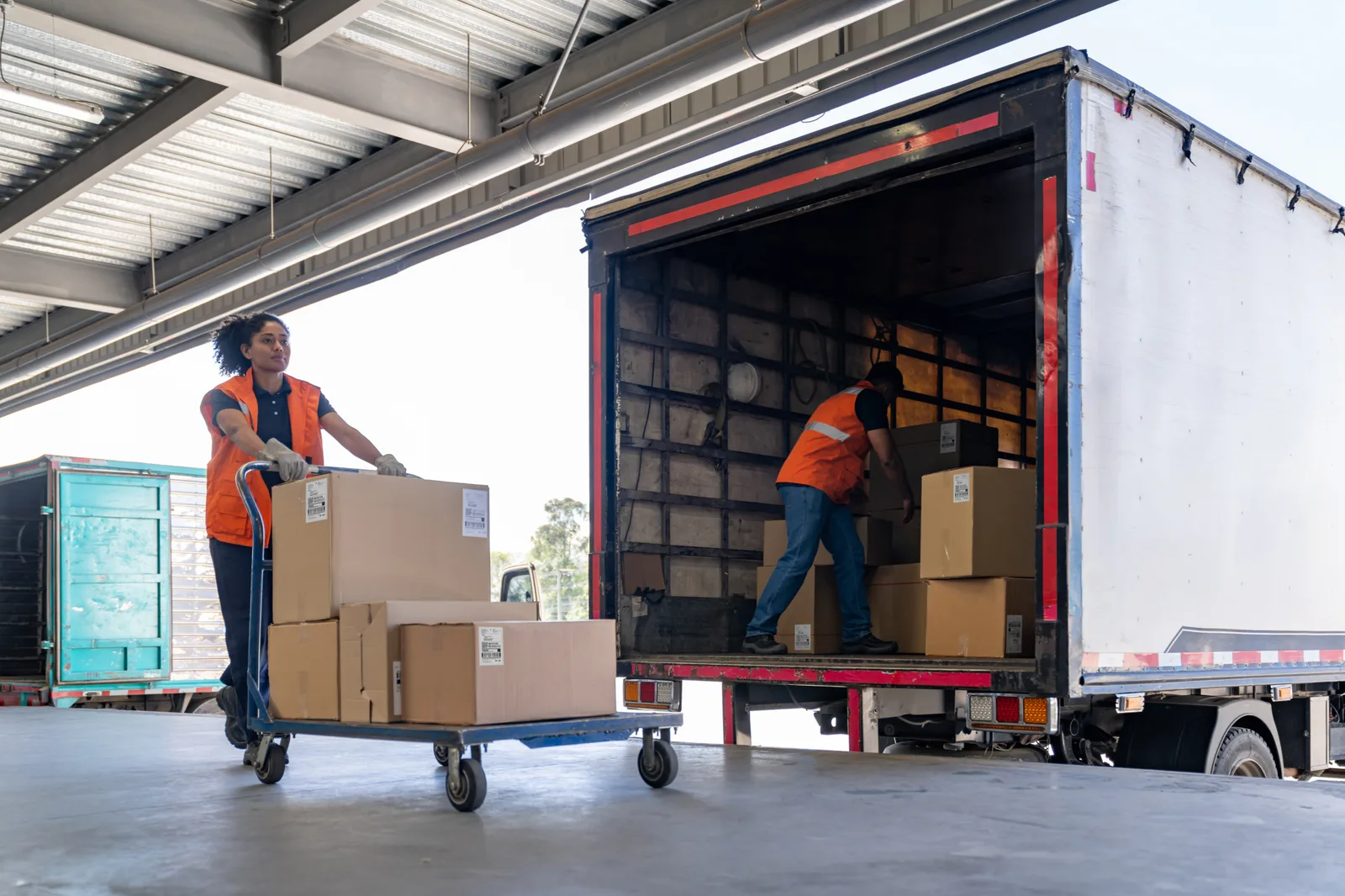
Most regional freight questions have a regional answer — until the day a customer in Calgary or a supplier in Ohio enters the picture. A shipment that leaves your usual coverage area doesn’t have to mean finding, vetting and managing a long-haul carrier yourself. The practical alternative: your regional courier arranges the move through transportation partners, and you keep one point of contact from booking to delivery.
Sonic Transport’s own fleet runs direct service across the GTA, Golden Horseshoe and Southern Ontario — up to roughly 350 km one way. Longer Canadian and cross-border shipments can be arranged through transportation partners, with the same coordination you get on a local run. Here’s how that arrangement works, and what shippers should understand about the customs side before freight heads for the border.
How partner-arranged freight works
When a shipment exceeds a carrier’s own service area, the carrier places it with a vetted transportation partner — a long-haul or cross-border carrier that runs the lane — while remaining your single point of contact. You book the way you always do; the coordinating carrier handles carrier selection, handoff and tracking through to delivery.
This is a long-standing structure in the freight industry, and it’s related to what a freight broker does: matching freight to carriers with the right equipment and lanes. The difference in the courier-partner model is context. Your regional carrier already knows your dock, your packaging and your freight profile, so the shipment enters the partner network properly described — right dimensions, right handling notes, right expectations at both ends.
The same structure covers weight as well as distance. Straight trucks top out around 10,000 lbs of payload, so full truckloads and very heavy freight move by semi — which regional carriers also arrange through partners rather than turning the shipment away.
What stays the same for you
The point of the arrangement is that your side of the process barely changes:
- One booking. You describe the shipment to your usual contact — pieces, dimensions, weight, addresses, timing — the same way you would for a local run.
- One point of contact. Questions, updates and any problems route through the carrier you booked with, not through an unfamiliar dispatcher three provinces away.
- One standard of preparation. The freight leaves your dock palletized, wrapped and documented the way it always does. Long-haul freight passes through more handling points, so preparation matters more, not less.
- One record. The paper trail — bill of lading, and proof of delivery at the far end — closes the loop just as it does locally.
What changes is behind the scenes: linehaul scheduling, equipment selection and, for cross-border freight, coordination around customs clearance.
Customs basics every shipper should know
What follows is educational background, not legal or customs advice — the rules are administered by the Canada Border Services Agency (CBSA) for imports into Canada and U.S. Customs and Border Protection (CBP) southbound, and requirements change. Verify specifics with the relevant agency or a licensed customs broker before you ship.
That said, a few fundamentals help any shipper understand what their paperwork is doing:
- The commercial invoice is the core customs document. It describes the goods, their quantity, value, country of origin, and the parties to the transaction. Border agencies assess duties and admissibility from it, so accuracy is everything.
- A customs broker is a licensed professional who files entries with the border agency on the importer’s behalf. Most businesses shipping commercially across the border retain one; the carrier moves the freight, but the broker clears it.
- The importer of record is the party responsible for the entry — duties, taxes and compliance. In many B2B transactions that’s the buyer, but it depends on the terms of sale agreed between the parties.
- Tariff classification and origin determine what duty applies. Goods are classified under the Harmonized System, and claims for preferential treatment under trade agreements such as CUSMA depend on origin rules and supporting documentation.
None of this is the carrier’s paperwork to invent — it’s the shipper’s and importer’s, usually prepared with a broker. But incomplete or inconsistent paperwork is a common reason cross-border freight sits, so it’s worth understanding what each document does. Our overview of B2B shipping documentation covers the domestic paper trail that underpins all of it.
Where the bill of lading fits
Every leg of a partner-arranged move still runs on the same fundamental document: the bill of lading, which records what was tendered, by whom, to whom, and in what condition. On long-haul and cross-border freight the BOL matters even more than locally, because the freight changes hands more times and the document is what ties those handoffs together. Make sure piece counts and descriptions are exact, and keep your copy — if a claim ever arises, the BOL and the delivery receipt are where it starts.
When a dedicated vehicle makes more sense
Not every long move belongs in a shared network. Freight that is high-value, deadline-critical or awkward to transfer sometimes justifies dedicated vehicle service — one truck, your freight only, running point to point. Within Southern Ontario that’s a direct run on the carrier’s own fleet; for longer distances, a dedicated move can be arranged through partners as well. The trade-off is straightforward: a dedicated truck costs more than shared linehaul, but nothing is handled twice and the schedule is yours.
A reasonable rule of thumb: if the cost of a transfer-related delay or damage would exceed the premium for a dedicated truck, ask for the dedicated option when you request pricing.
The practical takeaway
Cross-border and long-haul shipping doesn’t require you to become a freight procurement department. A regional carrier with established transportation partners gives you the reach of a national network with the working relationship of a local one — you describe the shipment once, and the coordination happens behind a single point of contact. Your responsibilities stay focused where they belong: accurate freight details, sound packaging, and (for cross-border) complete customs paperwork prepared with your broker.
Sonic Transport arranges longer Canadian and cross-border shipments through transportation partners, with the same coordination and the same contact you’d have on a GTA run. If you have freight headed beyond Southern Ontario, tell us where it’s going and we’ll put the arrangement together.
Frequently asked questions
Can a regional courier handle a shipment going to the US?
Many regional carriers arrange cross-border freight through transportation partners rather than running it on their own trucks. You book through your regular contact, and the partner network carries the linehaul. The advantage is one point of contact and one company that already knows your freight, rather than sourcing an unfamiliar long-haul carrier yourself.
Who prepares the customs paperwork for a commercial shipment?
The exporter typically prepares the commercial invoice describing the goods, their value and origin, and most businesses retain a licensed customs broker to file the actual entry with the border agency. Carriers move the freight and present the paperwork, but the shipper and their broker are responsible for its accuracy. Verify current requirements with the CBSA for imports into Canada.
Does long-haul through a partner take longer to arrange?
It usually adds some lead time compared with booking a local run, because a linehaul carrier and, for cross-border, customs details need to be lined up. Booking a day or more ahead where possible gives the coordinating carrier room to place the freight well rather than taking whatever is available.