
The Bill of Lading, Explained for Ontario Shippers
What a bill of lading does, which fields matter, who signs it at pickup and delivery, and why an accurate BOL protects you when a shipment is disputed.
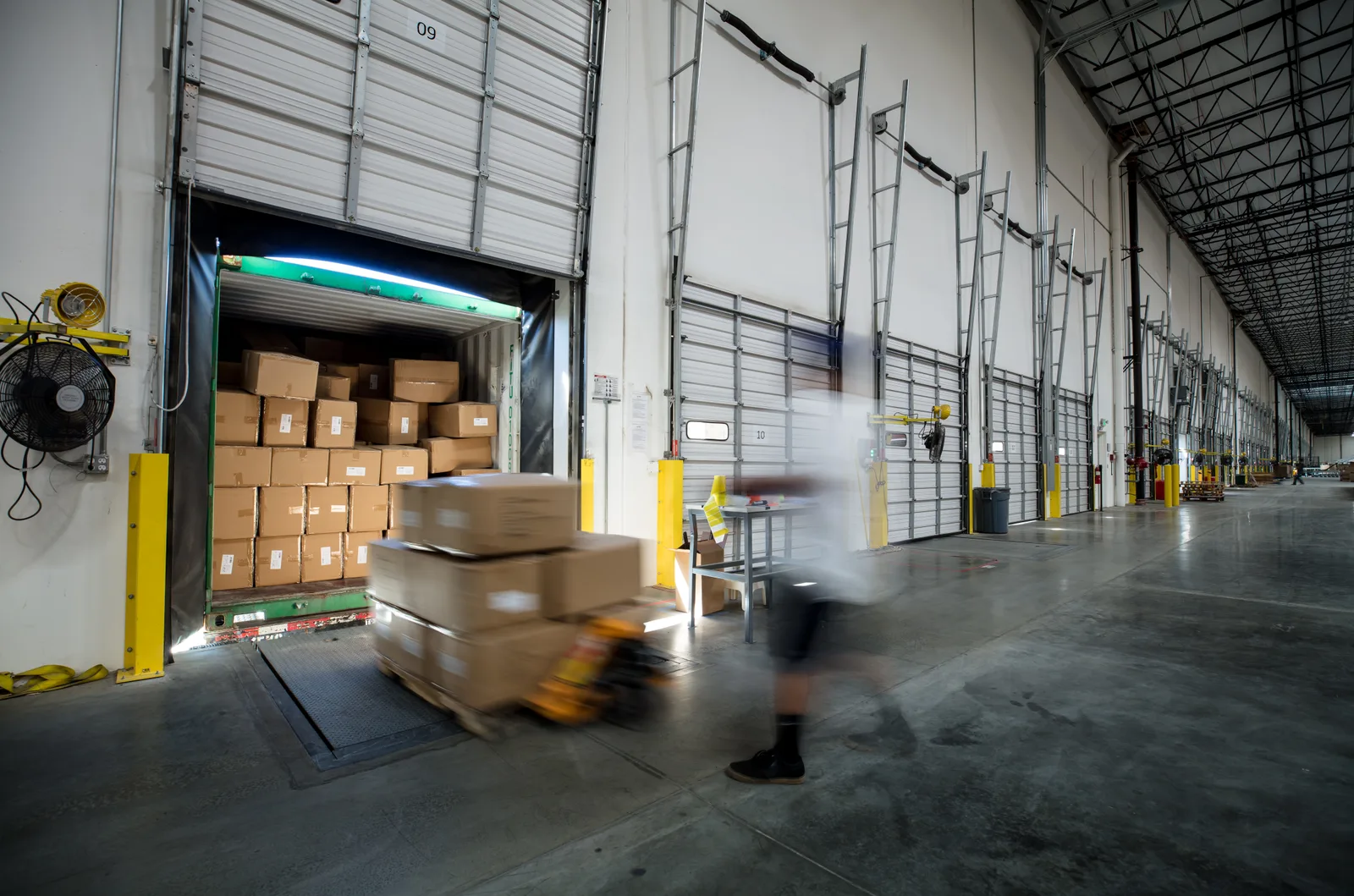
A bill of lading (BOL) is the master document of a freight shipment. It does three jobs at once: it is the shipper’s receipt proving the carrier took possession of the freight, it records the terms under which the freight moves, and it tells the driver exactly what is being carried, where it is going, and what services the shipment needs. When something is disputed later — a shortage, a damaged carton, an invoice that doesn’t match — the BOL is the document everyone reaches for first.
This guide covers what an Ontario shipper actually needs to know: what the document does, which fields matter, who signs it and when, and the habits that keep it accurate enough to protect you.
The three jobs of a bill of lading
A BOL is a receipt, a record of the contract of carriage, and an instruction sheet — all on one page.
- A receipt. When the driver signs at pickup, the carrier acknowledges receiving the freight described on the page: this many pieces, in this apparent condition. From that signature forward, custody has transferred.
- A record of the contract of carriage. The BOL identifies the parties and ties the shipment to the terms it moves under — who ships, who receives, who pays, and what conditions apply.
- An instruction sheet. Addresses, reference numbers, service requirements and handling notes ride on the BOL. If the delivery needs a tailgate or an appointment, this is where that fact should live in writing.
No other document in the shipment does all three. A packing slip lists contents but proves nothing about carriage. A proof of delivery confirms the ending but not the beginning. The BOL anchors the whole run.
The fields that matter
Most BOL formats look different but carry the same core information. These are the fields worth checking every time:
- Shipper and consignee — full legal or operating names and complete addresses for pickup and delivery. “Unit 4, rear dock” belongs here, not in a phone call.
- Date — the date the freight is tendered. Claims and billing questions get dated from here.
- Piece count and packaging type — “4 skids” and “48 cartons on 4 skids” are different statements. Count what the driver can count. If the driver signs for 4 skids, the shortage question at delivery is about skids, not cartons.
- Description of goods — plain and accurate: “machined steel parts,” “printed packaging,” “electronics.” The description should let anyone identify the freight without opening it.
- Weight and dimensions — the numbers the vehicle and rate were built on. If you’re unsure how to get them right, our guide to measuring freight dimensions and weight walks through it.
- Reference numbers — PO numbers, order numbers, job numbers. These are what let a receiver’s system match the freight to a purchase, and what lets you find the shipment in anyone’s records later.
- Special services and instructions — tailgate required, appointment delivery, no dock at destination, call on arrival. If it isn’t written on the BOL, assume the person who needs to know won’t.
Who signs the BOL, and what each signature means
A BOL collects up to three signatures, and each one means something specific.
The shipper signs to certify the freight side of the document — that the description, count and weight are accurate, and that the freight is properly packaged for transport.
The driver signs at pickup to acknowledge receipt of the pieces as counted, in apparent good order unless noted. This is the moment the receipt function kicks in. A driver who can’t verify a count — shrink-wrapped skids of cartons, for example — may note that the count is the shipper’s.
The receiver signs at delivery, and that signed delivery copy becomes the proof of delivery. On a same-day direct run, the same driver who signed for the freight at your dock presents it to the receiver a few hours later — one document, one vehicle, no terminal handoffs in between.
Three signatures, three moments of accountability: the freight as described, the freight as received by the carrier, the freight as received by the customer.
Why the BOL decides disputes
When a shipment goes sideways, the argument is settled by comparing documents — and the BOL is the baseline every other document gets compared against.
- Shortages. The receiver says three skids arrived; the BOL says the driver signed for four. Now there’s a real question. If the BOL had said three, there would be no case at all.
- Damage. A freight claim rests on showing the freight was tendered in good condition and arrived in bad condition. The pickup signature on the BOL is the “good condition” half of that argument.
- Billing. Wrong service billed, wrong address, disputed tailgate charge — the BOL shows what was requested in writing when the shipment moved.
A vague or wrong BOL doesn’t just weaken your position; it can quietly put you on the wrong side of it. If the document understates the piece count, you may have no shortage claim. If it omits the special instructions, the service you expected was never on the record.
BOL, waybill and POD: keep the three straight
These terms get used loosely, and the confusion causes real mistakes. The short version: a BOL is the shipper-facing contract and receipt; a waybill is the carrier’s operational document for moving and tracking the shipment; the POD is the delivery-signed copy that proves the freight arrived. In regional trucking the same piece of paper often plays more than one of these roles, which is exactly why the distinctions blur. Our answer pages on what a bill of lading is and the difference between a waybill and a bill of lading cover each in detail.
Habits that keep your BOLs clean
None of this requires software or a shipping department — just consistency:
- Count what’s physically there before the truck arrives, and make the BOL match the count, not the order.
- Describe freight so a stranger could identify it. “Miscellaneous” describes nothing and protects no one.
- Put every special requirement in writing on the document — tailgate, appointment, receiving hours, site contact.
- Keep your copy — paper or scan — with the shipment record until billing is settled and any claim window has clearly passed.
- Read what you sign. Thirty seconds of review at pickup beats thirty days of dispute later.
A note on Ontario’s rules
For-hire trucking in Ontario operates under provincially prescribed conditions of carriage, and those conditions shape what carriers and shippers can expect from each other — including how liability and claims work. This article describes standard industry practice, not legal advice; for the current requirements, check with the Ministry of Transportation of Ontario or get proper advice for your situation.
The practical takeaway doesn’t change: an accurate, complete, signed BOL is the cheapest protection in freight. At Sonic Transport, every shipment moves on proper documentation and closes out with a signed POD — if you’ve got B2B freight moving anywhere in the GTA or Southern Ontario, request a quote and we’ll get the paperwork and the truck right the first time.
Frequently asked questions
Who is responsible for filling out the bill of lading?
The carrier often generates the BOL from the booking details, but the shipper is responsible for the accuracy of what it says — the description, piece count, weight and any special instructions. Whoever prints the page, the shipper certifies the freight side of it, so review it before signing.
Is a bill of lading the same as an invoice?
No. The BOL documents the movement of freight — what was tendered, to whom, under what terms. An invoice documents the money side of a sale. They reference each other through PO and order numbers, but a BOL says nothing about what the goods cost, and a sales invoice proves nothing about what a carrier picked up.
Can a bill of lading be electronic?
Yes. Electronic BOLs are common in Canadian trucking — the shipment details live in the carrier's system and signatures are captured on a device or scanned copy. The document does the same three jobs either way; what matters is that both parties can produce the signed record when a question comes up.
What happens if the BOL shows the wrong weight or piece count?
Expect a correction. Carriers verify weights and counts, and shipments are billed on the verified numbers, not the declared ones. A wrong piece count is more dangerous than a wrong weight, because a shortage dispute turns on how many pieces the driver signed for at pickup.