
Choosing a Carrier for Regulated Freight: Questions That Matter
A vetting checklist for shippers of cannabis and other regulated freight — the custody, routing, personnel and documentation questions that separate carriers.
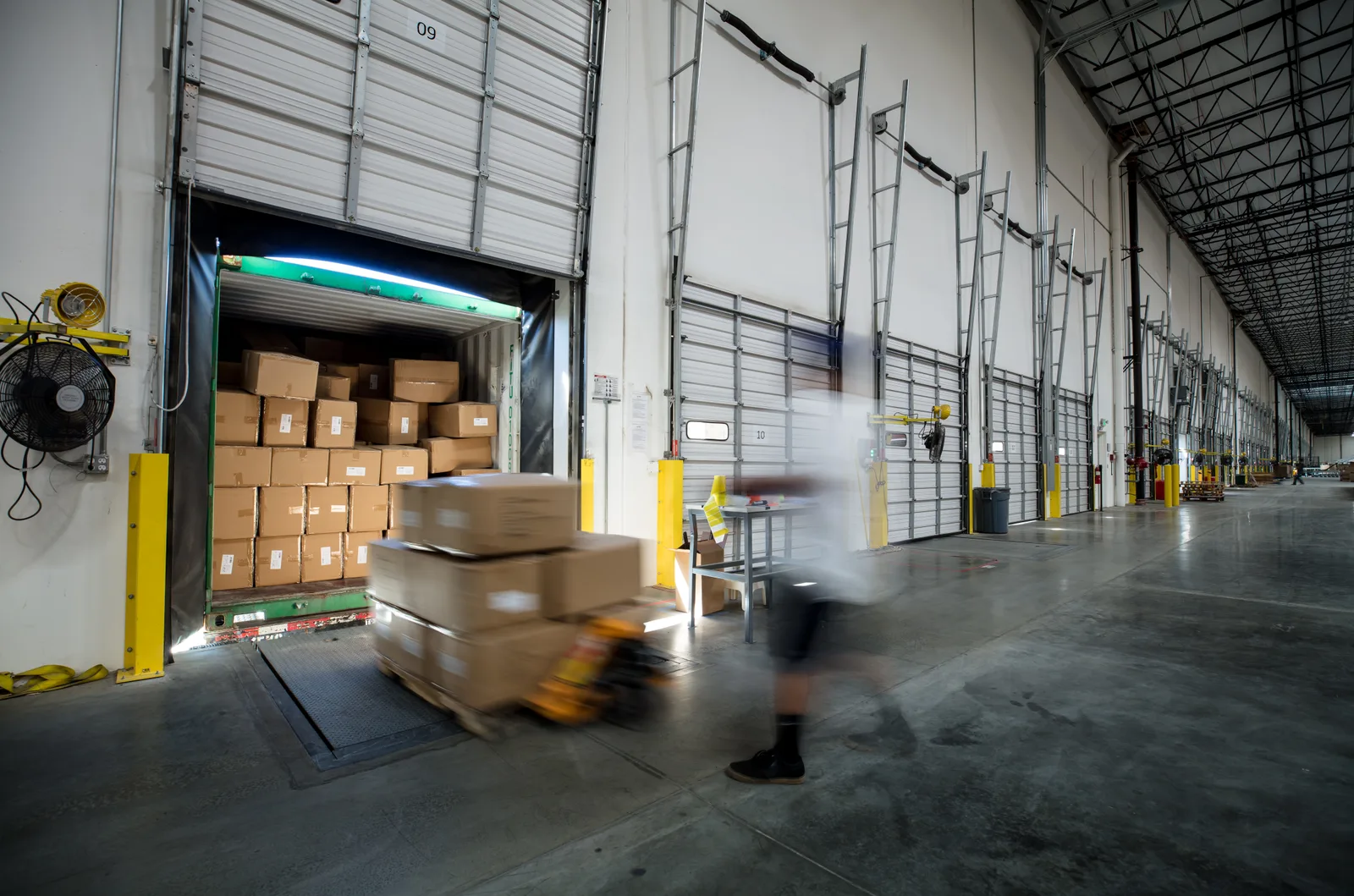
The freight that keeps compliance officers awake — cannabis, dangerous goods, high-value or heavily documented product — doesn’t fail on price. It fails on a handoff nobody recorded, a route nobody agreed to, or an incident the shipper heard about two days late. Choosing a carrier for regulated freight is therefore mostly an exercise in asking sharp questions and listening to how specific the answers are.
Here’s the question set we’d use, grouped by what it actually tests. It’s written with cannabis in mind — where, under the federal framework, common carriers move product on behalf of licence holders and the standards arrive by contract — but nearly all of it applies to any regulated or high-accountability shipment.
First, understand what you’re vetting for
For most regulated categories, the carrier’s qualification isn’t a certificate you can photocopy. In cannabis, the licences belong to the shipper and receiver, and the carrier’s fitness lives in its operations: how it handles custody, routing, people and paperwork. (The full picture is in our guide to how licensed B2B cannabis transport works.) Other categories have their own regulator-set rules — dangerous goods, for instance, carry training and declaration requirements — so step one is always confirming with the relevant regulator what your freight demands. The vetting below is about everything the regulator doesn’t hand you: the carrier’s actual behaviour.
Custody questions
- “Who physically has my freight, from pickup to delivery?” The right answer names roles and a process. The wrong answer is vague about stages of the journey.
- “Does my shipment stay on one vehicle?” Direct, single-vehicle service means two handling events — loaded and unloaded. Network models mean terminals, cross-docks and many hands. For custody-sensitive freight, this single answer shapes everything else; it’s why regulated work gravitates to dedicated service.
- “How is each handoff recorded, and can I see a sample?” Ask for the artifact — an actual custody record or proof of delivery. Carriers that do this work daily produce one immediately.
Routing and handling questions
- “What route does the freight take, and where could it stop?” You’re listening for direct routing as the default: no consolidation stops, no unsecured overnight sits, no improvisation.
- “How do you handle seals?” Good answers cover recording seal numbers at loading, verifying at delivery, and treating a broken seal as a reportable event. Our post on security and documentation in cannabis transport describes what strong practice looks like across the board.
- “What happens if the vehicle breaks down mid-run?” An honest, specific contingency answer is worth more than a promise that it never happens.
People questions
- “Will the same driver run my lane?” Consistency is a security feature. A driver who knows your dock, your receiver and your paperwork removes a variable from every run — and it’s one of the quiet advantages regional carriers hold over rotating-pool networks.
- “Who do I actually talk to?” When something needs adjusting at 7 a.m., a person who knows your account beats a ticket queue. This is a fair place to test whether “personal service” is a slogan or an operating model.
Documentation and accountability questions
- “Walk me through your paperwork on one shipment.” Pickup record, custody entries, POD, exception notes — the trail should be complete and boring.
- “When something goes wrong, how fast do I hear, and in what form?” Regulated shippers have their own reporting obligations, so they need facts immediately and in writing. A carrier without a concrete incident procedure hasn’t done this work.
- “Can you confirm your insurance is appropriate for this freight, in writing?” Coverage varies by carrier and policy; the ask is reasonable and the reaction is informative.
Red flags worth walking away from
A few answers should end the conversation regardless of price: any claim to hold a licence the category doesn’t issue to carriers (for cannabis, carriers don’t hold cannabis licences — a carrier claiming one misunderstands the framework it wants to work in); vagueness about who handles the freight; promises that sound too clean to be operationally real; and any reluctance to put routing, sealing or reporting expectations into the written agreement. Regulated freight runs on specificity — a carrier allergic to specifics is telling you something.
Run the conversation before you run the freight
The best vetting tool is a structured conversation before the first shipment: put your security and documentation expectations in writing, ask every question above, and weigh the specificity of what comes back. Producers building ongoing programs may also want our shipping guide for licensed cannabis producers, which covers the shipper’s side of the same relationship.
Sonic Transport is happy to be on the receiving end of every question in this post. We run secure, documented B2B freight — dedicated vehicles, direct routing, sealed loads, signed PODs — across the GTA, Golden Horseshoe and Southern Ontario, with a real person who knows your account. Tell us about your freight and its requirements, and we’ll give you the specific answers this checklist is designed to find.
Frequently asked questions
Does a carrier need a special licence to move regulated freight?
It depends on the category. For cannabis, the licences belong to the shipper and receiver — under the federal framework, common carriers transport on behalf of licence holders and don't hold cannabis licences themselves. Other categories, such as dangerous goods, come with their own training and handling rules. Confirm what applies with the regulator for your specific freight.
Should I ask a prospective carrier about insurance?
Yes. Ask any carrier to confirm, in writing, that its coverage is appropriate for your freight's value and category — cargo coverage varies significantly between carriers and policies. For regulated goods, your own advisors and the carrier's answers matter more than any general rule of thumb.
Is a large national carrier automatically safer for regulated freight than a regional one?
Not automatically — they're different models. National parcel and hub-and-spoke LTL networks are built around many handling events at terminals, while a regional carrier running direct can keep freight on one vehicle with one driver. For freight where every touch is a custody event, fewer touches is often the stronger security argument. Evaluate the model, not the logo.