
B2B Returns and Reverse Logistics: Getting Freight Back Cleanly
How B2B returns actually move — return authorization, pickup coordination at the customer's site, paperwork and packaging that get freight back intact.
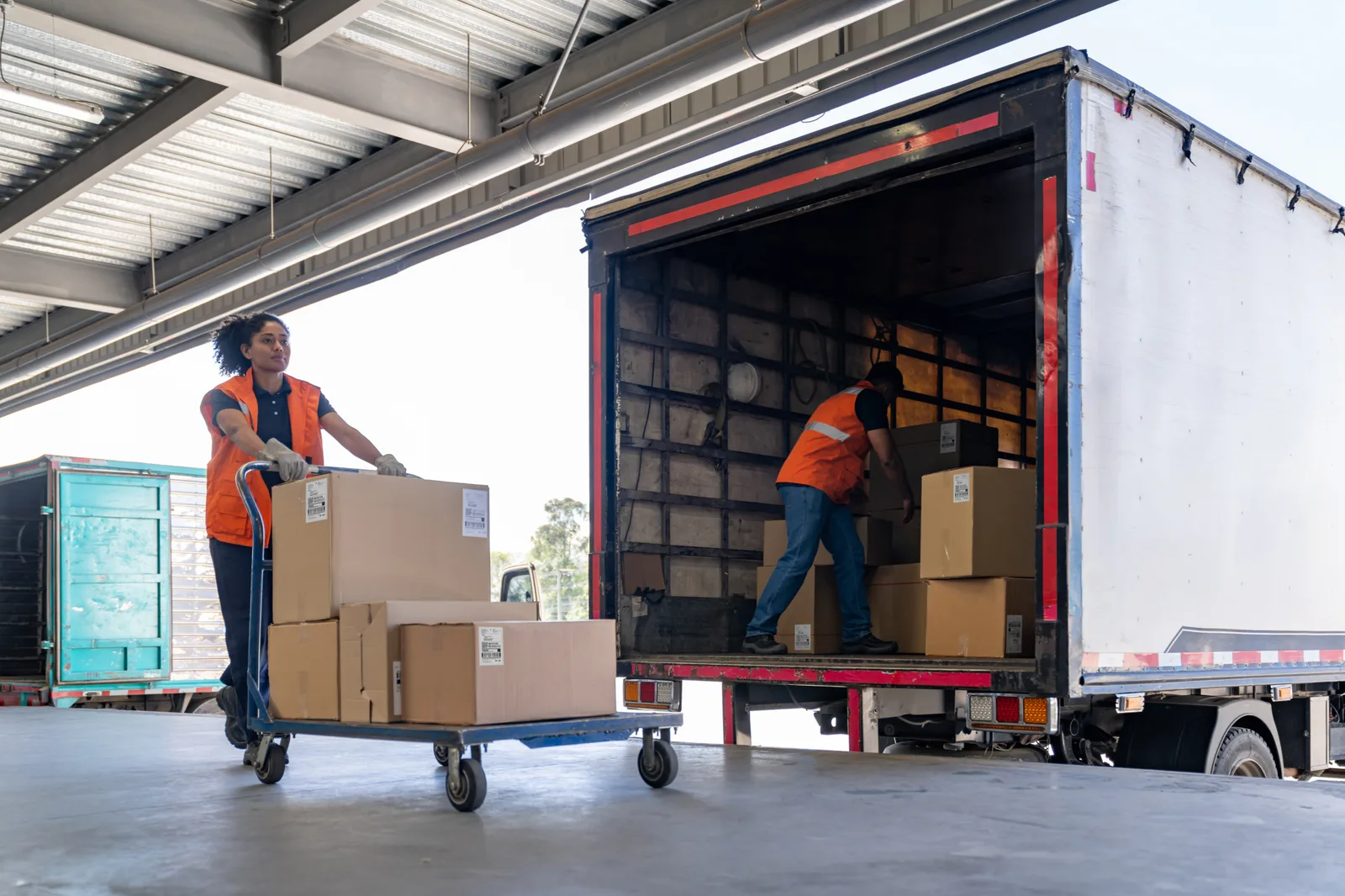
Returns are freight moving in the wrong direction through processes designed for the right one — which is why they go wrong so often. The fix isn’t complicated: a return authorization before anything moves, one party clearly booking the carrier, packaging standards for the trip back, and paperwork that treats the return as the new shipment it is. Handle those four things and reverse logistics stops being the messy corner of your shipping operation.
Why returns go wrong more often than deliveries
An outbound shipment leaves a shipping department that does this all day: trained staff, proper pallets, stretch wrap, a loaded dock schedule. A return leaves a customer’s receiving area, packed by whoever has time, on whatever pallet is lying around, with paperwork improvised on the spot. Nothing about that is malicious — returning freight simply isn’t the customer’s job, so their site has no process for it.
That asymmetry is the whole problem, and it tells you where the effort goes: the party that wants the freight back cleanly — usually the supplier — has to supply the process the origin site doesn’t have.
Start with a return authorization, every time
No freight should move backward without a return authorization (often called an RMA or RA) issued first. The authorization does three jobs at once:
- It decides the return is worth making. Some freight isn’t worth the trip back, and that call belongs to someone with the numbers in front of them, not to a customer loading a truck.
- It creates the reference. The RA number ties together the pickup booking, the bill of lading, the receiving check and the credit or replacement that follows. Without it, returned freight arrives as a mystery skid.
- It sets the conditions. What’s coming back, in what packaging, by when, and who pays the freight — settled before the truck is booked instead of argued after.
Keep the authorization simple — an email with a reference number beats a form nobody fills in — but make it non-negotiable. Unauthorized returns arriving at your dock create exactly the receiving chaos the RA exists to prevent, and they tend to arrive at the worst possible moment, unannounced, on someone else’s carrier.
Coordinate the pickup like a first-time shipper is at origin
Book the return pickup assuming the origin site has never shipped freight before, because functionally, they haven’t. That means covering the basics explicitly when arranging the pickup:
- Loading capability. Does the customer’s site have a dock or forklift? If not, the truck needs a tailgate, and the driver needs to know the skid will be moved by pallet jack.
- A named contact. Someone at the site who knows the truck is coming, knows which freight goes, and can sign the paperwork.
- A realistic ready time. The freight should be packed, wrapped and staged before the pickup window — a driver can’t wait while a skid gets built, and shouldn’t be the one building it.
- Piece count and dimensions. Ask the site to confirm what’s actually there. Returns are notorious for turning out bigger, heavier or less palletized than described.
Send the customer a short prep note with the RA: pack it on a sound pallet, wrap it to the deck, label it with the RA number, keep it inside the pallet footprint. It’s the same discipline as our freight-ready pickup checklist, compressed to five lines a receiving clerk will actually read.
Paperwork: a return is a new shipment
The return travels on its own bill of lading — origin at the customer’s site, destination at yours, the RA number in the reference field. The driver’s copy, the site’s copy and the receiving check at your end all key off that one number. When the freight arrives, receiving matches it to the open RA, checks condition, and notes anything wrong on the POD exactly as they would for any inbound delivery.
Condition matters more on returns than almost anywhere else, because responsibility is genuinely ambiguous: was that gouge there before pickup, or did it happen in transit? Photos at the customer’s dock before loading, and a receiving note on arrival, bracket the transit leg cleanly. If something did get damaged on the way back, the process is the standard one — our guide to the freight claims process in Ontario covers it — but it only works if condition was documented at both ends.
Recurring returns deserve a standing lane
If returns are occasional, book them as one-off pickups. But some B2B operations generate them constantly — cores and reusable packaging coming back, rework returning to the plant, seasonal stock rotating out of customer sites. Once returns are rhythmic, treat the reverse leg as a lane of its own: a scheduled route that sweeps returns on a regular day means customer sites learn the routine, freight stops accumulating in their receiving areas, and your dock knows when reverse freight lands.
The same driver serving the same sites also quietly fixes the packaging problem — a driver who was at the site last week can flag an unready skid before it becomes a wasted trip.
Close the loop inside your own building
Reverse logistics doesn’t end at your dock. Returned freight needs somewhere to land — a marked staging area, not a corner of the receiving floor — and a decision made promptly: restock, rework, scrap. An RA log with three columns (issued, picked up, received) tells you at a glance what’s still out there, and stale open RAs are worth chasing, because freight authorized but never returned has a way of becoming a dispute months later.
The credit or replacement should key off the same chain of documents. Issuing credit when the RA is authorized invites disputes about what actually came back; issuing it when the return is received and inspected — with the POD and receiving note as the record — keeps the commercial side as clean as the freight side. Tell customers that sequence up front so nobody is surprised that the credit follows the truck, not the phone call.
Sonic Transport handles B2B returns across the GTA, Golden Horseshoe and Southern Ontario the same way we handle forward freight — coordinated pickups with the details confirmed up front, tailgate trucks for sites without docks, and a POD closing out every run. Whether it’s a one-off return or a standing reverse lane, tell us what needs to come back and we’ll set it up.
Frequently asked questions
Who arranges the carrier for a B2B return — the supplier or the customer?
It depends on the terms, but returns run more smoothly when the party issuing the return authorization also books the carrier. The supplier knows what's coming back, controls the paperwork, and can route the freight to the right receiving door — the customer just has to have it ready.
Does a return shipment need its own bill of lading?
Yes. A return is a new shipment, and it travels on its own BOL showing the customer's site as origin and yours as destination, referencing the return authorization number. Reusing the original outbound paperwork causes confusion at every step.
What if returned freight arrives damaged?
Treat it like any other delivery: note the condition on the POD at receiving, photograph it, and sort out responsibility from there. The complication with returns is establishing whether damage happened before pickup or in transit, which is why photos at the customer's dock before the truck arrives are worth insisting on.